

What We Know
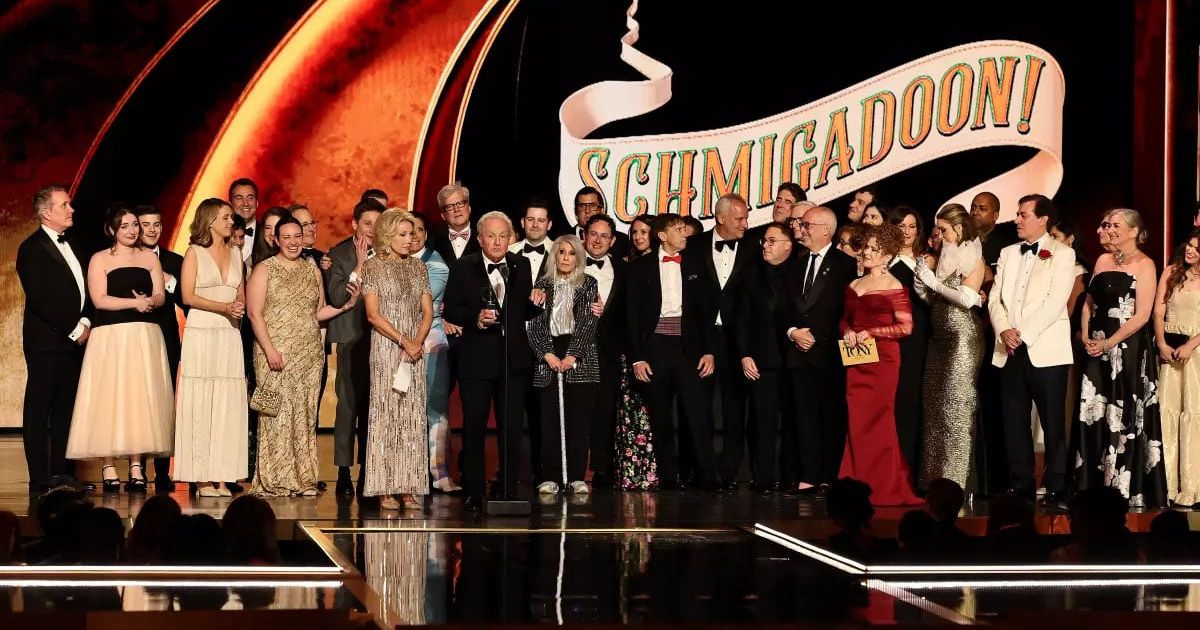
- The musical "Schmigadoon!" has been awarded the prestigious Tony for Best Musical, marking a significant win for original musical theater in a season that heavily featured revivals.
- Several highly anticipated revivals, including acclaimed productions of "West Side Story" and "A Streetcar Named Desire," received multiple nominations and accolades, underscoring a strong trend of audience and critical appeal for reimagined classics.
- The ceremony recognized outstanding performances across acting, directing, and technical categories, with notable wins for both established Broadway veterans and emerging talents, showcasing the depth and breadth of talent on the Great White Way.
- Innovative stagecraft and design elements were highlighted, with awards presented for Best Scenic Design, Best Costume Design, and Best Lighting Design, celebrating the technical artistry that brings Broadway productions to life.
- The event celebrated the resilience and vibrancy of live theater, drawing attention to the industry's recovery and its crucial role in cultural and economic landscapes following recent challenges.
- Key figures in musical theater, playwrights, and directors were honored for their contributions, reflecting a diverse range of voices and creative visions that shaped the theatrical season.
What We Do Not Know Yet
- The long-term impact of "Schmigadoon!'s" Best Musical win on the future of original musical development and investment on Broadway remains to be seen, especially in a market seemingly leaning towards established properties.
- While revivals were prominent, the specific factors driving their success—whether nostalgia, innovative direction, or star power—and how this trend might evolve in subsequent seasons are subjects of ongoing analysis.
- The precise financial success and audience engagement figures for the award-winning shows, both new and revived, will offer crucial insights into current theatergoing preferences and market dynamics.
- The extent to which the Tony Awards' decisions will influence future theatrical programming and the types of shows producers choose to greenlight is a critical question for the industry's creative trajectory.
- The specific strategies employed by the winning productions to overcome the unique challenges of staging during the post-pandemic era and their replicability for other shows are not yet fully detailed.
- Further analysis is needed to understand the demographic reach of the winning shows and whether they successfully attracted new or diverse audiences to Broadway theaters.
Background
The Tony Awards have long served as Broadway's highest honor, celebrating excellence in live theater and significantly influencing public perception, ticket sales, and future investment. Established in 1947 by the American Theatre Wing, the awards were named after Antoinette Perry, an actress and humanitarian. Each year, the ceremony recognizes achievements across a wide spectrum of theatrical disciplines, from acting and directing to playwriting, musical composition, and technical design. Winning a Tony Award can dramatically alter the trajectory of a show, extending its run, boosting its profile internationally, and solidifying its place in theatrical history. The selection process involves a rigorous review by a committee of theater professionals and critics who vote on nominations, followed by a final vote by eligible Tony Awards voters, comprising members of the Broadway League and various theatrical organizations. This esteemed process ensures that the awards reflect a broad consensus on artistic merit and contribution to the art form, making the Tony Awards a pivotal event in the annual cultural calendar.
Broadway, the pinnacle of professional theater in New York City, has historically been a dynamic ecosystem influenced by artistic innovation, commercial viability, and societal trends. The industry, centered around the Theater District, has weathered numerous challenges throughout its history, including economic downturns, technological shifts, and, most recently, the unprecedented disruption caused by the global pandemic. Despite these hurdles, Broadway has demonstrated remarkable resilience, often reinventing itself and adapting to new realities. The current landscape is characterized by a complex interplay between established mega-musicals, bold new plays, and a resurgence of interest in classic works through revivals. Producers and creative teams constantly navigate the delicate balance between artistic integrity and market demands, striving to create productions that resonate with diverse audiences while remaining financially sustainable. The success of any given season is often measured not just by critical acclaim but also by box office performance and the industry's overall economic health.
The phenomenon of revivals has become increasingly prominent in recent Broadway seasons, reflecting a broader cultural fascination with nostalgia and a strategic approach to mitigating the inherent risks of producing new works. Revivals often benefit from pre-existing name recognition, a built-in audience familiar with the source material, and the opportunity for creative teams to reinterpret beloved stories with fresh perspectives and contemporary staging techniques. This trend, while often celebrated for breathing new life into theatrical masterpieces, has also sparked debate about the allocation of resources and the space available for original narratives. The success of revivals can sometimes overshadow new plays and musicals, leading to discussions about the industry's commitment to fostering groundbreaking, original content. Understanding the Tony Awards' engagement with this trend is crucial for appreciating the current state and future direction of Broadway theater.
Why It Matters
The outcome of the Tony Awards, particularly the Best Musical category, holds significant weight for the future of Broadway. A win for "Schmigadoon!" signals a potential resurgence of interest in original musicals, offering a beacon of hope for creators and producers investing in new stories and musical styles. This could encourage further development and funding for innovative works, diversifying the theatrical landscape beyond the often-safer bet of revivals. Conversely, if the season's narrative leans too heavily towards the success of established titles, it might inadvertently reinforce a risk-averse approach within the industry, potentially stifling the emergence of truly novel theatrical experiences that push artistic boundaries and reflect contemporary voices.
The dominance of revivals in nominations and wins, as observed in this season, raises crucial questions about Broadway's artistic direction and its commitment to fostering new voices. While revivals offer valuable opportunities to engage with cherished works and explore them through a modern lens, an overreliance on them could lead to a stagnation of original content. This trend impacts not only the creative teams seeking to debut new material but also the audiences who may crave fresh narratives and perspectives. The Tony Awards, by acknowledging and celebrating these productions, play a role in shaping what audiences perceive as valuable and worthy of attention, thus influencing the overall health and diversity of the theatrical ecosystem.
Beyond the artistic implications, the Tony Awards have a tangible economic impact on Broadway. Winning productions often experience a significant surge in ticket sales, extending their runs and contributing to the economic vitality of New York City. This boost is particularly crucial for smaller or independent productions that may lack the extensive marketing budgets of larger, established shows. The visibility and prestige conferred by a Tony Award can transform a show's financial prospects, ensuring its legacy and providing employment for hundreds of artists and theater professionals. Therefore, the awards ceremony is not merely a celebration of art but a critical driver of commerce within the live entertainment sector.
Timeline of Events
- Spring 2025: Nominations for the 2026 Tony Awards are announced, revealing a strong showing for both original musicals and significant revivals, sparking early industry buzz and critical discussion.
- Late Spring 2025: Pre-ceremony events and parties commence, with nominees and industry insiders gathering to celebrate the season's achievements and speculate on potential winners.
- Early Summer 2025: The Tony Awards ceremony takes place, featuring performances from nominated musicals and the presentation of awards across all competitive categories, culminating in the Best Musical announcement.
- Post-Ceremony: Award-winning shows, particularly the Best Musical winner "Schmigadoon!" and other recognized productions, experience increased ticket sales and audience demand, extending their runs and solidifying their place in Broadway history.
- Fall 2025 - Spring 2026: The impact of the Tony Awards reverberates through the industry, influencing programming decisions for future seasons and shaping discussions about the balance between original works and revivals.
- Ongoing: The legacy of the 2026 Tony Awards continues to be analyzed, with critics and historians examining the season's trends, the significance of "Schmigadoon!'s" win, and the enduring influence of revivals on Broadway's creative output.

Rapid-Fire Q&A
What Is Coming
- Producers of "Schmigadoon!" are expected to leverage their Best Musical win to extend the show's run and potentially explore touring or international productions, capitalizing on the increased visibility and demand.
- The success of revivals like those nominated this year will likely prompt theater companies to announce more classic re-imaginings for upcoming seasons, potentially shaping audience expectations and programming choices.
- Industry analysts will closely monitor ticket sales data for both award-winning shows and other productions to gauge the long-term economic impact of the Tony Awards and identify evolving audience preferences.
- Playwrights and composers working on new musical projects may find it easier to secure funding and development opportunities, inspired by "Schmigadoon!'s" triumph and the continued appetite for original theatrical narratives.
- The Broadway League and the American Theatre Wing will begin the process of planning for the next Tony Awards cycle, considering any adjustments to eligibility rules or categories in response to industry trends.
- Discussions surrounding the balance between original works and revivals on Broadway are likely to continue, with the 2026 Tony Awards serving as a key reference point for debates about artistic innovation versus commercial appeal.

















Comments
No comments yet. Be the first to comment!