
Story in Brief
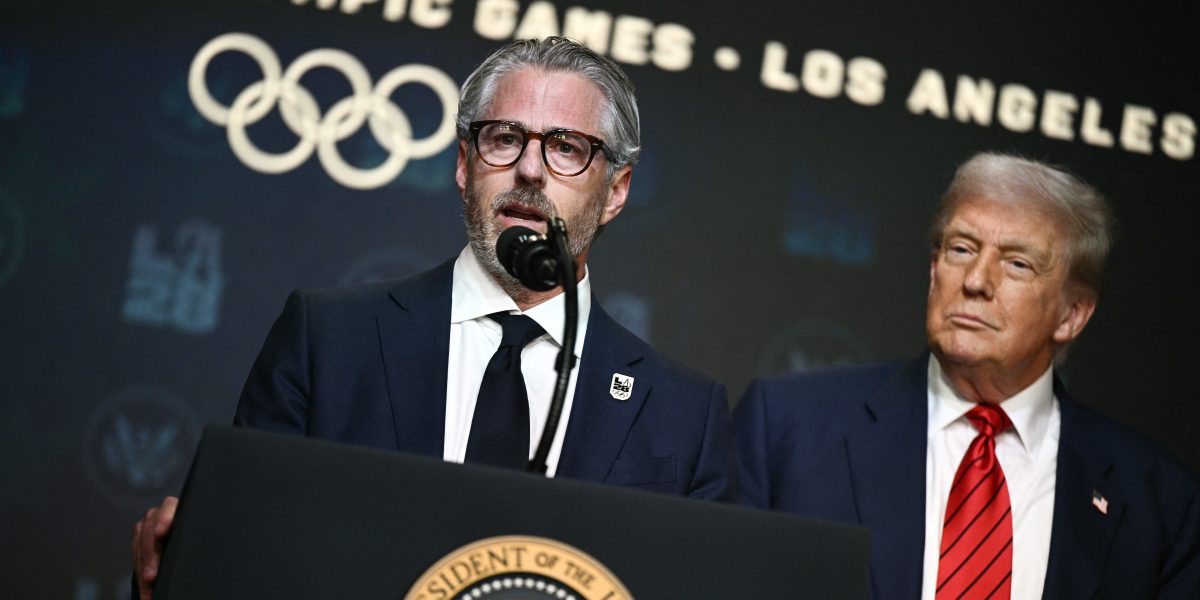
The athletic aspirations of Maya Wasserman, daughter of 2028 Los Angeles Olympics Chair Casey Wasserman, have taken a significant turn as she actively pursues a spot on the Israeli national fencing team. This development introduces a complex layer to the upcoming Olympic Games, given her father's pivotal role in overseeing the event's organization and execution. The proximity of her personal athletic goals to her father's professional responsibilities raises immediate questions about fairness, impartiality, and the potential for perceived or actual conflicts of interest within the Olympic movement. As Maya hones her skills and competes for a place on the international stage, the spotlight inevitably intensifies on the Wasserman family and their unique position at the nexus of sports governance and athletic ambition.
This situation demands careful scrutiny, as the integrity of the Olympic Games relies heavily on transparent processes and the absence of undue influence. While Maya Wasserman's dedication to her sport is commendable, her familial connection to the chairman of the organizing committee cannot be overlooked. The narrative unfolds against the backdrop of Los Angeles preparing to host the world's premier sporting event, a monumental undertaking that requires unwavering public trust. Any suggestion of preferential treatment or ethical gray areas could cast a shadow over the Games, impacting athlete morale, public perception, and the legacy of the 2028 event. Navigating this delicate balance between personal ambition and public duty is paramount for all involved.
The journey towards the Olympics is arduous for any athlete, filled with rigorous training, intense competition, and unwavering dedication. For Maya Wasserman, this journey is further complicated by her unique familial ties to the highest echelons of Olympic leadership. Her pursuit of excellence in fencing, representing Israel, places her in a position where her personal achievements are inextricably linked to her father's oversight of the 2028 Games. This confluence of personal ambition and familial influence necessitates a thorough examination of the ethical considerations and potential implications for the broader Olympic movement. The world will be watching how this situation is managed, as it speaks volumes about the values and principles that underpin international sports.
Key Takeaways
- Maya Wasserman, daughter of 2028 LA Olympics Chair Casey Wasserman, is training to represent Israel in fencing, creating potential ethical considerations.
- Her father's role as chairman of the organizing committee for the 2028 Games places their family in a unique and potentially sensitive position.
- The situation raises questions about fairness, impartiality, and the appearance of conflicts of interest within the Olympic movement.
- Maya's athletic pursuits are unfolding as Los Angeles gears up to host a major international sporting event, amplifying public scrutiny.
- The integrity and public trust in the Olympic Games are paramount, making any perceived ethical compromises a significant concern.
- This development underscores the complex interplay between personal athletic ambitions and the governance of major international sporting events.
The Wasserman Family and Olympic Involvement
Casey Wasserman, a prominent figure in sports management and philanthropy, was appointed Chair of the Los Angeles 2028 Olympic and Paralympic Games Organizing Committee in 2017. His leadership is crucial in shaping the vision, securing funding, and overseeing the logistical complexities of bringing the Games to Los Angeles for the third time. Wasserman's career has been marked by significant achievements in sports marketing and athlete representation, establishing him as a powerful force in the industry. His appointment to lead the 2028 Games underscores his influence and the trust placed in him to deliver a successful and memorable event. The family's deep involvement in the sports world is long-standing, with a history of supporting athletes and sports organizations.
Maya Wasserman, one of Casey Wasserman's children, has developed a passion for fencing, a sport known for its demanding physical and mental discipline. Her decision to pursue elite-level competition with the goal of representing Israel adds a distinct international dimension to her athletic journey. Fencing requires exceptional reflexes, strategic thinking, and rigorous training, demanding years of dedication to reach Olympic standards. Her commitment to the sport signifies a personal drive and ambition that extends beyond her family's prominent role in sports administration. This pursuit is independent of her father's position, yet inherently intertwined due to their familial connection.
The intersection of Maya's athletic ambitions with her father's role as the chairman of the 2028 LA Olympics creates a scenario that warrants careful consideration. While there is no inherent wrongdoing, the optics and potential for perceived conflicts of interest are significant. The Olympic Charter and ethical guidelines for sports officials emphasize the importance of maintaining a level playing field and avoiding any appearance of impropriety. As the Games draw closer, ensuring that all athletes, including Maya Wasserman, are competing under fair and transparent conditions is paramount to upholding the spirit and integrity of the Olympic movement. The Wasserman family's prominence necessitates a heightened awareness of these ethical dimensions.
Why This Matters
The integrity of the Olympic Games is built upon the foundation of fair competition and the unwavering trust of athletes and the global public. When the daughter of the organizing committee's chairman pursues a spot on an Olympic team, it inevitably raises questions about impartiality and the potential for undue influence. Even if no rules are broken, the perception of favoritism can erode confidence in the Olympic movement. This situation demands transparency and a clear demonstration that all athletes are being evaluated solely on their merit, regardless of their familial connections to powerful figures within the Olympic structure. Upholding these principles is critical for the long-term credibility of the Games.
For Maya Wasserman, this situation presents a unique challenge: to prove her athletic prowess independently while navigating the inherent complexities of her father's high-profile position. Her dedication to fencing and her ambition to compete at the highest level are personal achievements. However, the context in which she is pursuing these goals—as the daughter of the LA 2028 Chair—means her journey will be scrutinized more intensely. It is vital that the processes for team selection are robust, transparent, and demonstrably free from any bias, ensuring that her potential selection is based purely on her performance and qualifications.
The 2028 Los Angeles Olympics represent a significant opportunity for the city and the Olympic movement, aiming to set new standards for sustainability and inclusivity. Any controversy or perceived ethical lapse, however minor, could detract from this vision and tarnish the legacy of the Games. Therefore, proactive measures to address potential conflicts of interest and ensure absolute fairness in all aspects of Olympic operations, including athlete selection, are not just advisable but essential. The Wasserman situation serves as a critical reminder of the vigilance required to maintain the Olympic spirit and its core values in the face of complex personal and professional intersections.
Frequently Asked Questions
What Happens Next
As Maya Wasserman continues her rigorous training and competes in qualifying events, the focus will intensify on her performance and the fairness of the selection process for the Israeli fencing team. Observers will be closely monitoring her progress and the transparency of the decisions made by the relevant sporting bodies. The upcoming months will be critical in determining whether she secures a spot on the team, and how effectively any potential conflicts of interest are managed and communicated to the public. The Olympic movement itself will be watching, as this situation sets a precedent for how such familial connections are handled in the lead-up to major international events.
For the 2028 Los Angeles Olympic Organizing Committee, this situation underscores the need for clear ethical guidelines and robust communication strategies. Proactive measures to ensure transparency in all related matters will be essential to maintaining public trust and the integrity of the Games. Casey Wasserman and his team will likely need to navigate this delicate situation with utmost care, ensuring that Maya's journey is perceived as entirely independent and merit-based. Any misstep could have significant repercussions for the reputation and credibility of the 2028 Games, which are still several years away from their opening ceremony.
Ultimately, the narrative will unfold based on Maya Wasserman's athletic achievements and the commitment of all parties involved to uphold the principles of fair play and ethical conduct. The success of the 2028 Los Angeles Olympics hinges on maintaining the highest standards of integrity, and this situation serves as an early test case. The world awaits to see how this complex dynamic resolves, hoping for a conclusion that reinforces the Olympic spirit and ensures that competition remains the ultimate determinant of success on the global stage.









Comments
No comments yet. Be the first to comment!