

The Numbers
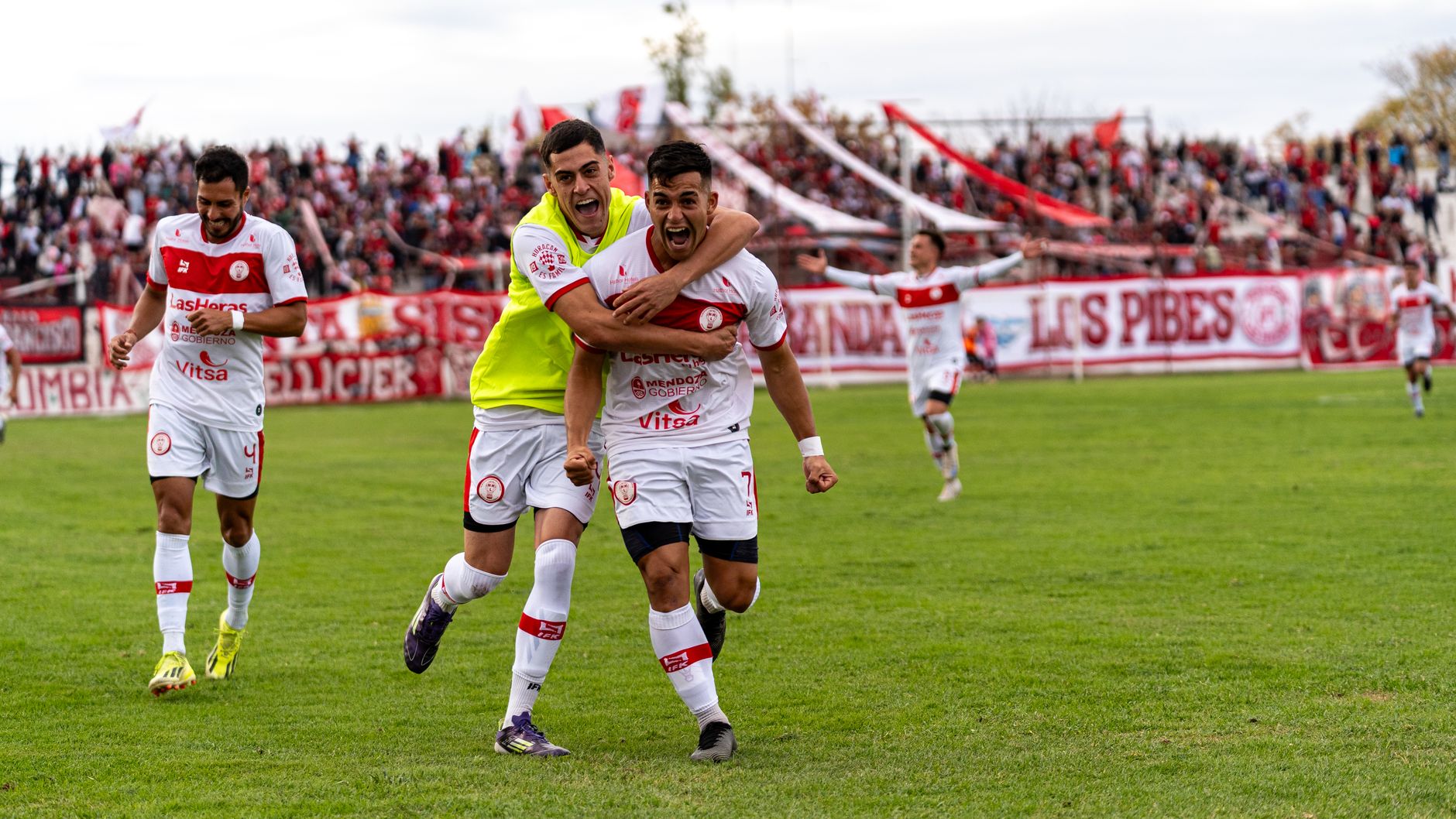
- The match concluded with a 2-2 draw, marking a hard-fought outcome for the Super Eagles after trailing for significant portions of the game.
- Terem Moffi ignited Nigeria's comeback in the 54th minute, scoring the team's first goal and setting the stage for a potential turnaround.
- Paul Onuachu delivered a dramatic equalizer in the 89th minute, showcasing his aerial prowess and clutch performance to secure the draw.
- Poland had taken a 2-0 lead through goals from Matty Cash and Piotr Zielinski, putting Nigeria under considerable pressure throughout the first half and early second half.
- Despite being outplayed for periods, Nigeria's resilience was evident as they managed to find the back of the net twice in the latter stages of the match.
- This fixture represented a crucial international friendly, providing both teams with valuable preparation and tactical insights before their upcoming competitive fixtures.
Context Check
This friendly encounter between Nigeria and Poland was more than just a game; it served as a vital barometer for both national teams. For Nigeria, it presented an opportunity to test their squad depth, tactical flexibility, and mental fortitude against a European opponent known for its physical approach and organized defense. The Super Eagles, under their coaching staff, aimed to implement specific strategies, evaluate individual player performances in a high-stakes environment, and identify areas requiring improvement. Poland, similarly, sought to fine-tune their tactics and build chemistry within their squad, using the match as a stepping stone towards their own international objectives. The result, a draw, underscores the competitive nature of international football and the fine margins that often separate teams at this level.
The historical context of matches between African and European nations often highlights a disparity in rankings and resources, yet recent years have seen a significant closing of this gap. This match, therefore, was a chance for Nigeria to demonstrate their continued progress on the global stage, challenging a Poland side that boasts experienced players in top European leagues. The Super Eagles' ability to come from behind and score twice late in the game speaks volumes about their fighting spirit and the potential for offensive output, even when facing adversity. It’s a narrative that resonates with Nigerian football history, often characterized by moments of individual brilliance and collective determination against formidable opposition.
Looking beyond the immediate scoreline, the performance analysis is crucial. Poland's initial dominance, securing a two-goal cushion, indicated effective execution of their game plan in the first half. However, Nigeria's second-half resurgence, culminating in two late goals, points towards successful tactical adjustments by the coaching staff and a refusal to yield from the players. This dramatic turnaround is a significant takeaway, suggesting that the Super Eagles possess the character and tactical adaptability to overcome challenging circumstances. The friendly provided invaluable data on player stamina, tactical discipline under pressure, and the effectiveness of substitutions, all critical elements for sustained success in future tournaments.
Background
International football friendlies are meticulously scheduled fixtures designed to serve specific purposes beyond mere competition. For national teams like Nigeria and Poland, these matches are crucial developmental platforms. They allow coaches to experiment with different formations, blood new talent, and assess the team's readiness for upcoming qualifiers or major tournaments. Unlike competitive matches, friendlies often offer a more relaxed environment where players can express themselves more freely, though the pride of representing one's nation ensures a high level of commitment. The scheduling of this particular fixture aimed to provide both Nigeria and Poland with exposure to different playing styles and tactical approaches, enriching their preparation and broadening their international experience.
Nigeria, often referred to as the Super Eagles, possesses a rich footballing heritage, marked by numerous AFCON titles and consistent World Cup appearances. The team has a history of producing world-class talent, known for their pace, skill, and flair. However, the journey has also involved periods of rebuilding and tactical evolution. This friendly against Poland was an opportunity to showcase the current crop of players, many of whom ply their trade in top leagues across Europe, and to demonstrate the team's progress under its current management. The objective was not just to compete but to learn, adapt, and build confidence against a European side.
Poland, a nation with a proud footballing tradition, has recently seen a resurgence, featuring prominently in major international tournaments. Their squad typically comprises a blend of seasoned veterans and emerging stars, with a reputation for physical robustness and tactical discipline. Facing Nigeria, a team renowned for its attacking prowess and individual brilliance, provided Poland with a different kind of challenge. The match was an essential part of their strategic planning, allowing them to gauge their strengths against a dynamic opponent and refine their strategies for future encounters. The outcome of such games, even draws, offers significant insights into team dynamics and performance under pressure.
Winners and Losers
From Nigeria's perspective, the ultimate winners are the team itself and its supporters, who witnessed a remarkable display of resilience and fighting spirit. The late comeback, spearheaded by Moffi and Onuachu, not only salvaged a draw but also provided a significant morale boost. Players like Moffi and Onuachu, who scored crucial goals, emerge as clear winners, enhancing their individual profiles and staking a claim for more prominent roles. The coaching staff also wins, as their tactical adjustments and substitutions proved effective in turning the tide of the match, validating their strategic approach and demonstrating their ability to inspire a comeback.
Conversely, Poland might feel they are the relative losers, having let a two-goal lead slip in the dying moments of the game. While a draw against Nigeria is not a poor result, the manner in which they conceded the equalizer, particularly so late, could be a source of frustration. Certain individual Polish players might also feel they could have done more to secure the victory, especially in the latter stages when Nigeria mounted sustained pressure. The Polish defense will likely analyze the lapses that allowed both Nigerian goals, identifying areas for immediate improvement to prevent similar occurrences in future matches.
Beyond individual players and teams, the sport of international football itself emerges as a winner. This match provided compelling entertainment, showcasing the unpredictable nature and dramatic flair that makes the game so captivating. The late goals, the comeback, and the display of skill from both sides highlight the passion and dedication inherent in international competition. Furthermore, the fixture served as a valuable learning experience for both squads, offering practical insights that will undoubtedly shape their preparations and performances in subsequent, more critical encounters. The draw, therefore, is a testament to the competitive spirit that defines modern international football.
Analyst Perspectives
Football analysts widely lauded Nigeria's second-half resurgence as a testament to their mental fortitude and tactical adaptability. Many noted that while Poland displayed superior organization and clinical finishing in the first half, the Super Eagles' ability to maintain composure and execute late-game strategies was particularly impressive. Experts pointed to the impact of substitutions and the specific instructions given by the coaching staff as key factors in unlocking Poland's defense. The goals from Moffi and Onuachu were highlighted not just for their execution but for the timing, demonstrating a team that understands how to seize critical moments and capitalize on momentum shifts, a crucial trait for success in major tournaments.
The defensive frailties exhibited by Poland in the final minutes were a significant talking point among commentators. Analysts observed a potential drop in concentration and physical fatigue that allowed Nigeria to exploit spaces, particularly through aerial threats which led to Onuachu's equalizer. This suggests that while Poland has a solid core, their ability to maintain defensive integrity for the full 90 minutes against persistent attacking pressure remains an area for refinement. The ease with which Nigeria created and converted late chances indicates that opponents will likely target this vulnerability in future encounters.
From a broader tactical perspective, the match provided a fascinating case study in game management. Poland's initial success in building a comfortable lead was attributed to their disciplined pressing and effective transitions. However, their inability to close out the game against a determined Nigerian side raises questions about their depth and adaptability when faced with significant in-game challenges. Conversely, Nigeria's comeback showcased the potential of their attacking talent and the importance of having reliable finishers on the bench, capable of changing the game's complexion. This dynamic underscores the evolving nature of international football, where resilience and late-game efficiency are increasingly becoming decisive factors.
Key Questions Explained
The Outlook
Looking ahead, this draw provides Nigeria with a significant confidence boost. The ability to fight back from a two-goal deficit against a capable European side like Poland demonstrates the team's potential and resilience. This result will likely embolden the coaching staff and players, reinforcing their belief in their tactical approach and their capacity to perform under pressure. For future matches, particularly in competitive tournaments, this experience will serve as a valuable psychological asset, reminding them that comebacks are possible and that determination can overcome significant challenges. The performance of late-game substitutes and goal-scorers like Onuachu also offers tactical flexibility.
For Poland, the match serves as a critical learning opportunity. While the result is disappointing, the experience of conceding late goals should prompt a thorough review of their defensive strategies and game management. Identifying the specific reasons for the late collapse—be it tactical, physical, or mental—will be paramount. This introspection can lead to necessary adjustments, ultimately strengthening the team for future encounters. The first-half performance showed their capability, and the challenge now is to sustain that level of effectiveness for the entire duration of a match.
In the broader context of international football, this fixture reinforces the notion that competitive spirit and late-game execution are increasingly decisive. Teams that can maintain focus and intensity until the final whistle often find an edge. Both Nigeria and Poland will carry lessons from this encounter into their respective campaigns. Nigeria's Super Eagles, in particular, will be looking to build on this momentum, aiming to translate this fighting spirit into consistent victories and strong performances on the international stage, solidifying their reputation as a formidable force.













Comments
No comments yet. Be the first to comment!