
The Alarming Scale
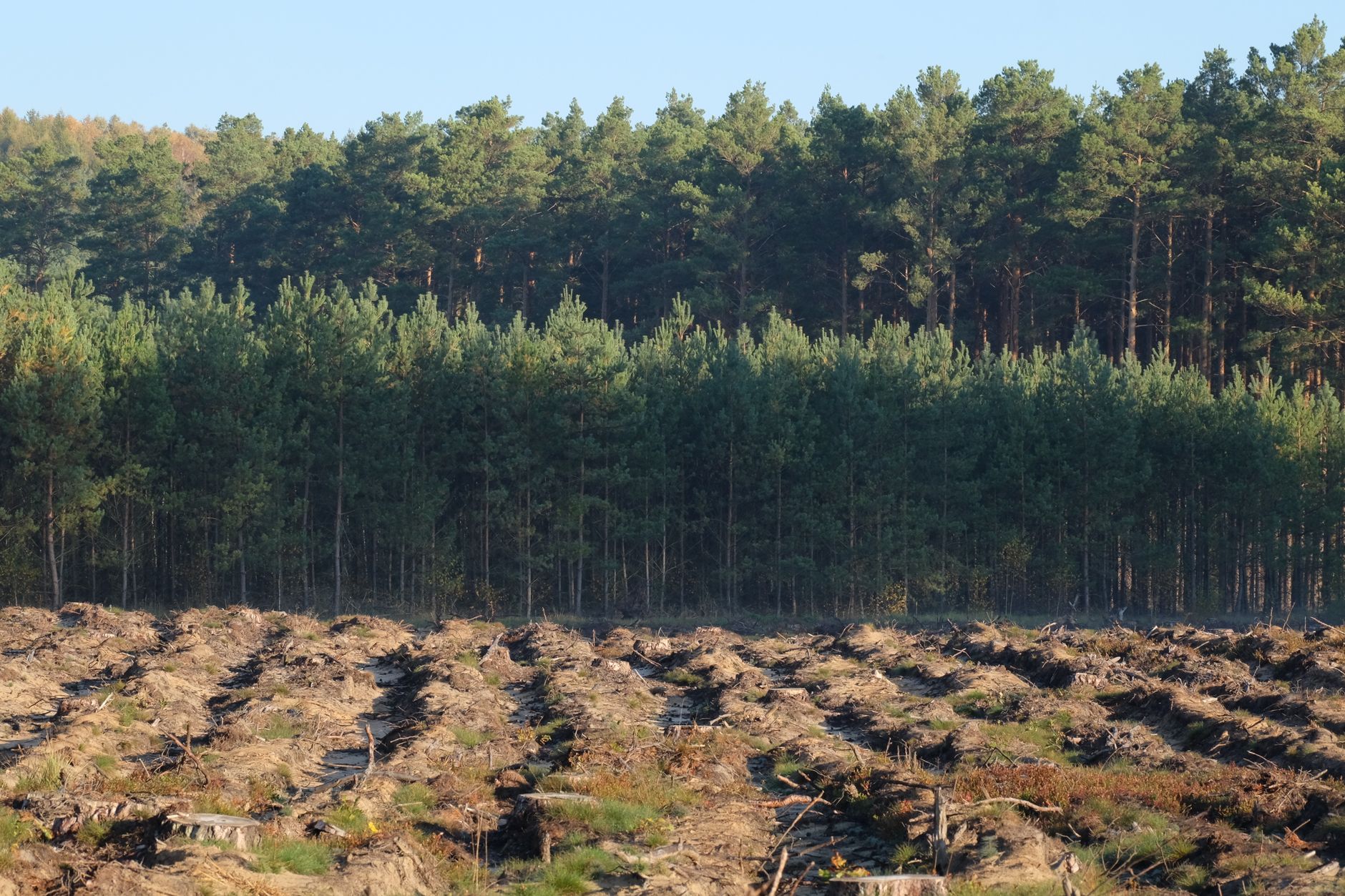
- Mining activities in sub-Saharan Africa are directly linked to the clearing of thousands of hectares of vital forest cover annually, contributing significantly to regional and global deforestation rates.
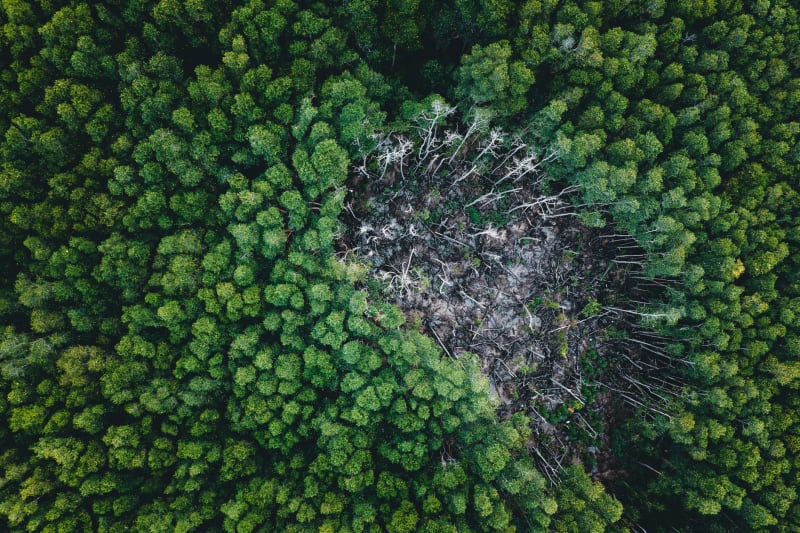
- Satellite imagery analysis reveals that mining concessions, particularly for minerals like gold, cobalt, and bauxite, overlap with critical forest ecosystems, leading to habitat fragmentation and biodiversity loss.
- Studies indicate that the indirect impacts of mining, such as road construction, infrastructure development, and increased human settlement, amplify deforestation by an estimated factor of two to three beyond the direct mine footprint.
- The rate of forest loss associated with mining in some key regions of sub-Saharan Africa is outpacing that of other drivers like agriculture, highlighting the disproportionate environmental burden imposed by mineral extraction.
- Estimates suggest that over 50% of new deforestation in certain mineral-rich areas can be attributed to artisanal and small-scale mining operations, which often lack regulatory oversight and employ destructive extraction methods.
- The economic value extracted from these mines often fails to compensate for the long-term ecological and social costs, including the irreversible loss of carbon sinks and ecosystem services that forests provide.
Context Check: Mining's Footprint
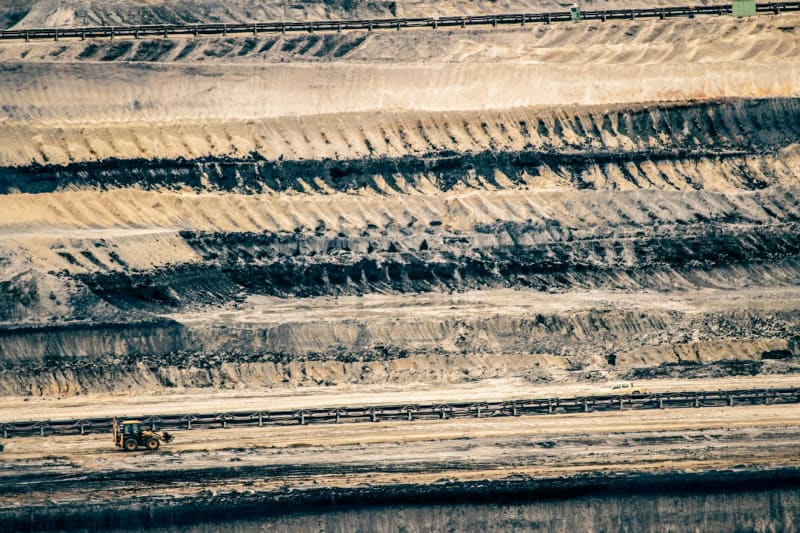
The expansion of mining operations across sub-Saharan Africa represents a complex interplay of economic opportunity, resource demand, and environmental consequence. While mining is often touted as a catalyst for economic development, providing jobs and foreign exchange, its physical footprint is undeniably destructive. Large-scale industrial mining requires extensive land clearing for pit excavation, processing facilities, waste disposal sites, and associated infrastructure like roads and power lines. This direct land transformation fragments habitats, disrupts ecological corridors, and can lead to soil erosion and water contamination. The sheer scale of these operations means that even a single mine can impact vast areas, pushing wildlife further into shrinking forest remnants and increasing human-wildlife conflict.
Beyond the immediate site of extraction, the indirect impacts of mining are often more pervasive and harder to quantify. The construction of access roads opens up previously inaccessible forest areas to logging, poaching, and agricultural encroachment. New settlements spring up around mining sites, placing additional pressure on local resources and leading to further deforestation for housing, fuelwood, and subsistence farming. The demand for energy to power mining operations can also drive the development of new power plants and transmission lines, often cutting through forested landscapes. This cascade of secondary impacts means that the total area affected by mining is significantly larger than the mine itself, creating a ripple effect of environmental degradation that extends far beyond the concession boundaries.
The specific types of minerals being extracted in sub-Saharan Africa often correlate with particularly destructive mining practices. For instance, artisanal and small-scale gold mining, prevalent in many countries, frequently involves the use of mercury and cyanide, which contaminate soil and water systems, posing severe health risks to both wildlife and human populations. The clearing of forests to access alluvial gold deposits can lead to widespread riverbed alteration and sedimentation. Similarly, the extraction of minerals like bauxite for aluminum and cobalt for batteries, while crucial for global supply chains, requires significant land disturbance and can generate large volumes of toxic waste, further compounding the environmental challenges.
Historical Roots of Deforestation
Sub-Saharan Africa's forests have historically faced numerous pressures, including subsistence agriculture, fuelwood collection, and commercial logging. Colonial-era exploitation laid the groundwork for resource extraction, often prioritizing economic gain over environmental sustainability. Post-independence, many nations have continued to rely heavily on their natural resource wealth to fund development, leading to a complex legacy of land-use change. While agricultural expansion has been a dominant driver of deforestation for decades, the surge in global commodity prices for minerals in recent years has dramatically amplified the role of mining. This shift means that forests are now being cleared not just for food and timber, but increasingly for the extraction of valuable metals and rare earth elements, often in ecologically sensitive areas.
The legal and regulatory frameworks governing mining in many sub-Saharan African countries are often weak or inadequately enforced. This allows mining companies, both large multinational corporations and smaller artisanal operations, to operate with less scrutiny regarding their environmental impact. Concession boundaries may not always respect ecologically important areas, and environmental impact assessments, if conducted, are frequently superficial or ignored. Furthermore, corruption can play a significant role, enabling illegal mining activities and undermining efforts to implement sustainable practices. This governance deficit creates a fertile ground for deforestation to occur unchecked, as the economic incentives for extraction often outweigh the perceived risks of environmental damage.
The increasing global demand for minerals essential for modern technologies, such as those used in electric vehicles and renewable energy infrastructure, has placed immense pressure on resource-rich regions in sub-Saharan Africa. Countries like the Democratic Republic of Congo (cobalt), Guinea (bauxite), and Ghana (gold) are major producers, and their mining sectors are experiencing rapid expansion. This surge in demand, coupled with relatively low production costs in some areas, makes mining a highly attractive investment. However, this economic imperative often clashes with conservation goals, as the most accessible mineral deposits are frequently located within or adjacent to biodiverse forests, leading to inevitable land-use conflicts.
Who Benefits, Who Suffers?
The primary beneficiaries of mining expansion in sub-Saharan Africa are typically the mining companies, their shareholders, and governments that collect royalties and taxes. International corporations often repatriate significant profits, while local elites may benefit from contracts and political influence. For governments, mining revenues can be a crucial source of foreign currency and a means to fund public services. However, this economic gain is often concentrated, and the benefits rarely trickle down effectively to the local communities most directly impacted by the environmental destruction. The promise of jobs is often overstated, and many positions are filled by expatriate workers or require specialized skills not readily available locally.
The most significant losers in this scenario are the local communities and indigenous populations whose lives and livelihoods are inextricably linked to the forest ecosystems being destroyed. They suffer from the loss of traditional lands, displacement, reduced access to clean water and food sources, and increased exposure to pollution from mining activities. The degradation of forests also undermines their cultural heritage and traditional practices. Furthermore, the broader population of sub-Saharan Africa and the global community are losers due to the loss of vital carbon sinks, which exacerbates climate change, and the irreversible extinction of biodiversity, diminishing the planet's natural heritage.
Wildlife and ecosystems are also profound losers. The fragmentation and destruction of forests lead to habitat loss, reduced biodiversity, and increased risk of species extinction. Animals are displaced, their migration routes are blocked, and their food sources dwindle. The pollution from mining operations can contaminate water bodies, harming aquatic life and affecting entire food webs. The long-term ecological consequences of widespread deforestation driven by mining are severe, potentially leading to ecosystem collapse and rendering vast areas ecologically barren for centuries, far outlasting the economic lifespan of the mines themselves.
Analyst Perspectives
Environmental analysts emphasize that the current trajectory of mining expansion in sub-Saharan Africa is unsustainable and poses a grave threat to regional biodiversity and global climate goals. They point to a critical governance gap, where robust environmental regulations are often lacking or poorly enforced, allowing extractive industries to operate with minimal accountability. The focus on short-term economic gains from mining frequently overshadows the long-term costs associated with ecosystem degradation, including the loss of vital ecosystem services like water regulation and carbon sequestration. Without significant reforms and stronger oversight, the continent's rich forest ecosystems are likely to continue vanishing at an alarming rate.
Economic analysts highlight the need for a more diversified economic approach in sub-Saharan Africa, moving beyond a heavy reliance on primary resource extraction. They argue that while mining can provide initial capital, it often fails to foster broad-based, sustainable economic development. The 'resource curse' phenomenon, where countries rich in natural resources experience slower growth and worse development outcomes, is a persistent concern. Analysts suggest that investing revenues from mining into education, infrastructure, and sustainable industries like ecotourism and renewable energy could offer a more equitable and lasting path to prosperity, while also reducing the pressure on forest lands.
Conservation experts are particularly alarmed by the specific impact of mining on critical forest habitats that harbor unique and endangered species. They stress the importance of establishing and effectively managing protected areas, but note that mining concessions often encroach upon these vital zones. The fragmentation of forests creates isolated populations, making them more vulnerable to local extinction events. Experts advocate for stricter spatial planning that clearly delineates areas suitable for extraction versus those requiring strict conservation, alongside the promotion of responsible mining practices that minimize environmental footprints and ensure effective rehabilitation of mined sites.
Key Questions Explained
The Path Forward
Addressing the escalating deforestation driven by mining in sub-Saharan Africa requires a multi-faceted and urgent approach. Strengthening governance and regulatory frameworks is paramount. This includes robust enforcement of environmental protection laws, mandatory and transparent Environmental Impact Assessments, and strict land-use planning that designates areas for conservation and prohibits mining in ecologically sensitive zones. International cooperation is also vital, encouraging responsible sourcing of minerals and supporting African nations in developing sustainable mining practices and diversifying their economies away from over-reliance on resource extraction. Without concerted global and local efforts, the continent's precious forest ecosystems will continue to bear the brunt of unchecked resource exploitation.
Promoting sustainable mining practices and investing in rehabilitation efforts are crucial components of a viable future. This involves encouraging the adoption of cleaner technologies, minimizing waste generation, and implementing effective mine closure and site restoration plans. Supporting artisanal and small-scale miners to transition towards more responsible and less destructive methods, perhaps through cooperatives and access to better technology, could significantly reduce their environmental impact. Furthermore, ensuring that local communities benefit equitably from mining activities, through employment, revenue sharing, and development projects, can foster greater social acceptance and encourage better environmental stewardship.
Ultimately, a fundamental shift in economic priorities is needed. Sub-Saharan African nations must strive to diversify their economies, investing in sectors like renewable energy, sustainable agriculture, and ecotourism, which can provide long-term economic growth without the devastating environmental costs associated with extractive industries. Empowering local communities with land rights and decision-making power over resource management is also essential. By fostering a balance between economic development and environmental preservation, and by holding mining companies accountable for their ecological footprint, sub-Saharan Africa can work towards a future where its natural wealth benefits its people without sacrificing its vital forest ecosystems.


















Comments
No comments yet. Be the first to comment!