
At a Glance
- Royal Caribbean has announced an indefinite extension of its suspension of cruise ship visits to Labadee, Haiti, directly impacting the region's primary economic driver.
- The decision by the cruise giant stems from the escalating political instability and pervasive gang violence gripping Haiti, making the safety of passengers and crew a paramount concern.
- Labadee, a private port leased by Royal Caribbean, represents a critical economic lifeline for thousands of Haitians, providing direct employment and fostering numerous ancillary businesses.
- This prolonged suspension delivers a devastating blow to Haiti's already fragile economy, particularly impacting local vendors, artisans, and service providers who rely heavily on tourist traffic.
- The situation highlights the severe humanitarian crisis unfolding in Haiti, where essential services are collapsing and millions face acute food insecurity, exacerbated by external economic shocks.
- International bodies and aid organizations continue to monitor the deteriorating conditions, with calls for global intervention to stabilize the nation and mitigate the widespread suffering.
The Record
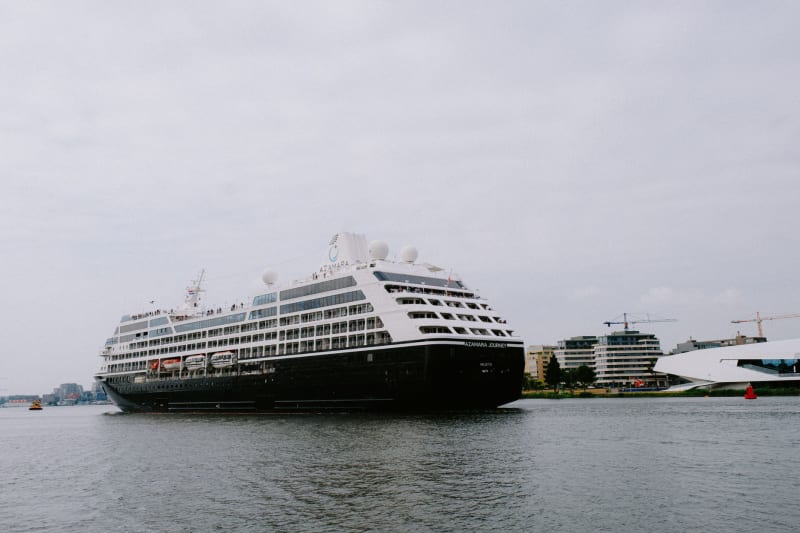
Royal Caribbean, a global leader in the cruise industry, has officially extended its suspension of all visits to Labadee, Haiti, citing the rapidly deteriorating security situation across the nation. This decision, initially implemented as a temporary measure, has now become indefinite, reflecting the profound and persistent challenges Haiti faces. The cruise line emphasized that the safety and well-being of its guests and crew remain its utmost priority, a standard that cannot be guaranteed amidst the current climate of widespread gang violence, political unrest, and societal breakdown.
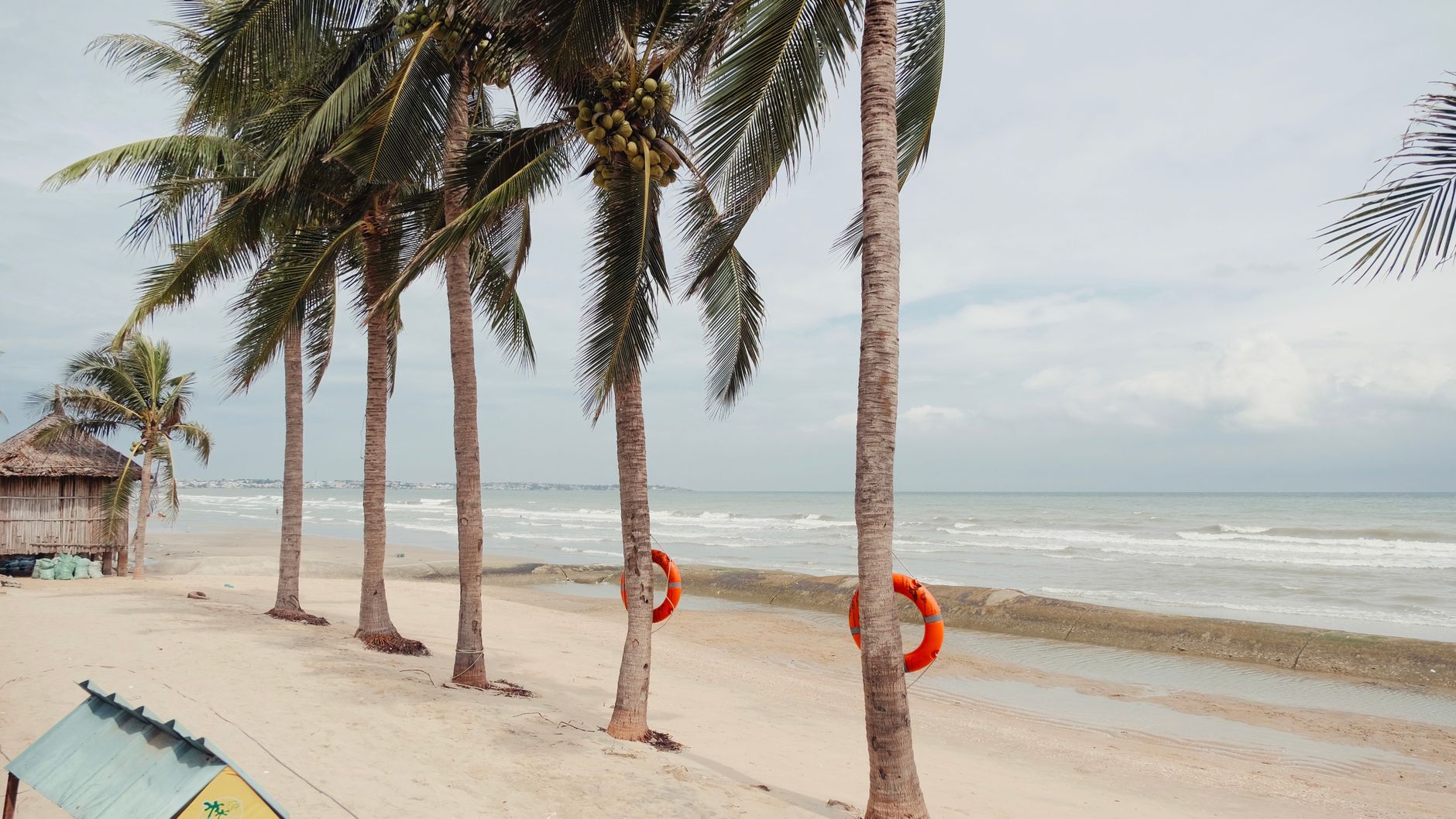
Labadee, a private resort area on Haiti's northern coast, has been a cornerstone of Royal Caribbean's Caribbean itineraries for decades. It operates as a carefully managed enclave, offering pristine beaches, water sports, and local markets, providing a controlled environment for tourists. For many years, this arrangement allowed cruise passengers to experience a slice of Haiti while largely insulated from the country's broader socio-political issues. However, the current level of instability has transcended these protective measures, making even this isolated port untenable for international tourism.
The economic ramifications of this extended suspension are catastrophic for Haiti, a nation already grappling with profound poverty and humanitarian crises. Labadee is not merely a port; it is a vital economic engine, directly employing hundreds of local staff and indirectly supporting thousands of families through various supply chains, artisan sales, and service provisions. The absence of cruise ship arrivals means a complete halt to this crucial revenue stream, plunging an already vulnerable population deeper into economic despair and further exacerbating the country's dire humanitarian situation.
Who Knew and When
The escalating crisis in Haiti has been a matter of grave international concern for several years, with numerous reports from humanitarian organizations and diplomatic bodies highlighting the country's descent into chaos. The assassination of President Jovenel Moïse in July 2021 marked a significant turning point, plunging the nation into a deeper political vacuum and empowering armed gangs. Since then, the security situation has steadily deteriorated, with gangs expanding their control over vast swathes of the capital, Port-au-Prince, and increasingly disrupting essential services and infrastructure.
Royal Caribbean's initial decision to suspend visits to Labadee came in March 2024, as the violence reached unprecedented levels, particularly in the capital. At that time, the company stated it was a temporary measure, with hopes for a swift resolution to the crisis. However, the subsequent weeks and months have seen no significant improvement; instead, the situation has worsened, with reports of widespread displacement, severe food shortages, and a near-total breakdown of law and order. This sustained deterioration made the indefinite extension of the suspension an inevitable, albeit painful, decision for the cruise line.
Experts and analysts have consistently warned about the potential for such economic fallout, emphasizing that Haiti's fragile economy is highly susceptible to external shocks, especially those impacting its limited tourism sector. The U.S. State Department and other foreign ministries have long advised against travel to Haiti due to crime and civil unrest, signaling the severe risks. The current decision by Royal Caribbean is a direct consequence of these persistent warnings and the tragic reality on the ground, underscoring the profound challenges in stabilizing a nation gripped by such pervasive insecurity.
Voices from the Ground
For the thousands of Haitians whose livelihoods are directly tied to Labadee, the news of Royal Caribbean's extended suspension is nothing short of devastating. "This is our only source of income," lamented Marie Antoine, a vendor who has sold handcrafted souvenirs to tourists for over two decades. "Without the ships, there is no one to buy from us. My children will go hungry." Her voice, heavy with despair, echoes the sentiments of countless artisans, taxi drivers, restaurant owners, and service staff who now face an uncertain and bleak future, stripped of their primary means of support.
Local community leaders in the Cap-Haïtien region, near Labadee, have expressed profound concern about the ripple effect of this economic shutdown. Pastor Jean-Luc Dubois, who runs a local outreach program, stated, "The money from tourism helped support schools, clinics, and small businesses in our area. Now, those vital services are at risk. The gangs are not just in Port-au-Prince; their shadow extends everywhere, and it is suffocating the life out of our communities, leaving us with no hope." This sentiment highlights the broader societal impact beyond individual incomes, affecting the very fabric of community resilience.
The impact extends beyond direct employment. Fishermen who supplied seafood to the resort, farmers who provided fresh produce, and construction workers who maintained the facilities are all feeling the severe pinch. "We were told it was temporary, that the ships would return," said a former resort employee, requesting anonymity due to fear of reprisal. "But now, it feels like forever. We are desperate. The government offers no solutions, and the international community seems to have forgotten us. How are we supposed to survive?" This plea underscores the profound sense of abandonment and the urgent need for alternative support mechanisms.
The Debate
The decision by Royal Caribbean has ignited a fierce debate among human rights advocates, economic development experts, and international policy makers. On one side, proponents argue that the cruise line had no choice but to prioritize the safety of its passengers and crew. Operating in an environment plagued by such extreme violence and instability would be irresponsible, potentially endangering lives and exposing the company to significant liability. They contend that the blame lies squarely with the Haitian government's inability to establish security and governance, not with a private company reacting to an untenable situation.
Conversely, critics argue that while safety is paramount, the abrupt and indefinite withdrawal of such a significant economic player exacerbates Haiti's already dire humanitarian crisis. They suggest that Royal Caribbean, having benefited from its operations in Labadee for decades, has a moral obligation to explore alternative forms of support for the communities it is now leaving behind. Some propose that the company could contribute to relief efforts, invest in long-term development projects, or provide severance packages to its directly employed staff, mitigating the immediate economic shock to the local population.
Furthermore, the debate extends to the broader implications of international businesses operating in fragile states. Should companies maintain a presence, even at reduced capacity, to provide some economic stability, or is complete withdrawal the only ethical option when security collapses? This complex question has no easy answers, as it pits corporate responsibility against the harsh realities of geopolitical instability and the profound suffering of a nation caught in a seemingly endless cycle of crisis. The Labadee situation serves as a stark case study in this ongoing global discussion.
Your Questions Answered
What Accountability Looks Like
Accountability in this complex situation is multifaceted, resting primarily with the Haitian government and, to a lesser extent, the international community. The primary responsibility for ensuring the safety and stability of the nation, thereby allowing economic activities like tourism to flourish, lies with Haiti's political leadership. Their failure to establish effective governance, combat gang violence, and provide basic security for its citizens has directly led to the current economic catastrophe and the withdrawal of vital foreign investment and tourism revenue.
The international community also bears a degree of accountability. Decades of intervention, often without sustainable long-term strategies, have contributed to Haiti's fragile state. There is a pressing need for a coordinated, robust, and sustained international effort to support Haiti in rebuilding its institutions, strengthening its security forces, and addressing the root causes of its instability. This includes providing humanitarian aid, facilitating political dialogue, and potentially deploying a multinational security force with a clear mandate and sufficient resources to restore order.
While Royal Caribbean's decision is a business response to an untenable security situation, some argue for a form of corporate social responsibility. Having operated profitably in Labadee for years, the company could explore ways to support the local communities it is now leaving behind. This might involve contributing to local relief funds, investing in alternative economic development projects in the region, or providing some form of severance or transitional support to its directly impacted workforce. Such actions, while not a solution to Haiti's broader crisis, could demonstrate a commitment beyond mere profit, fostering goodwill and mitigating some of the immediate economic hardship faced by thousands.
















Comments
No comments yet. Be the first to comment!