

Market Movers
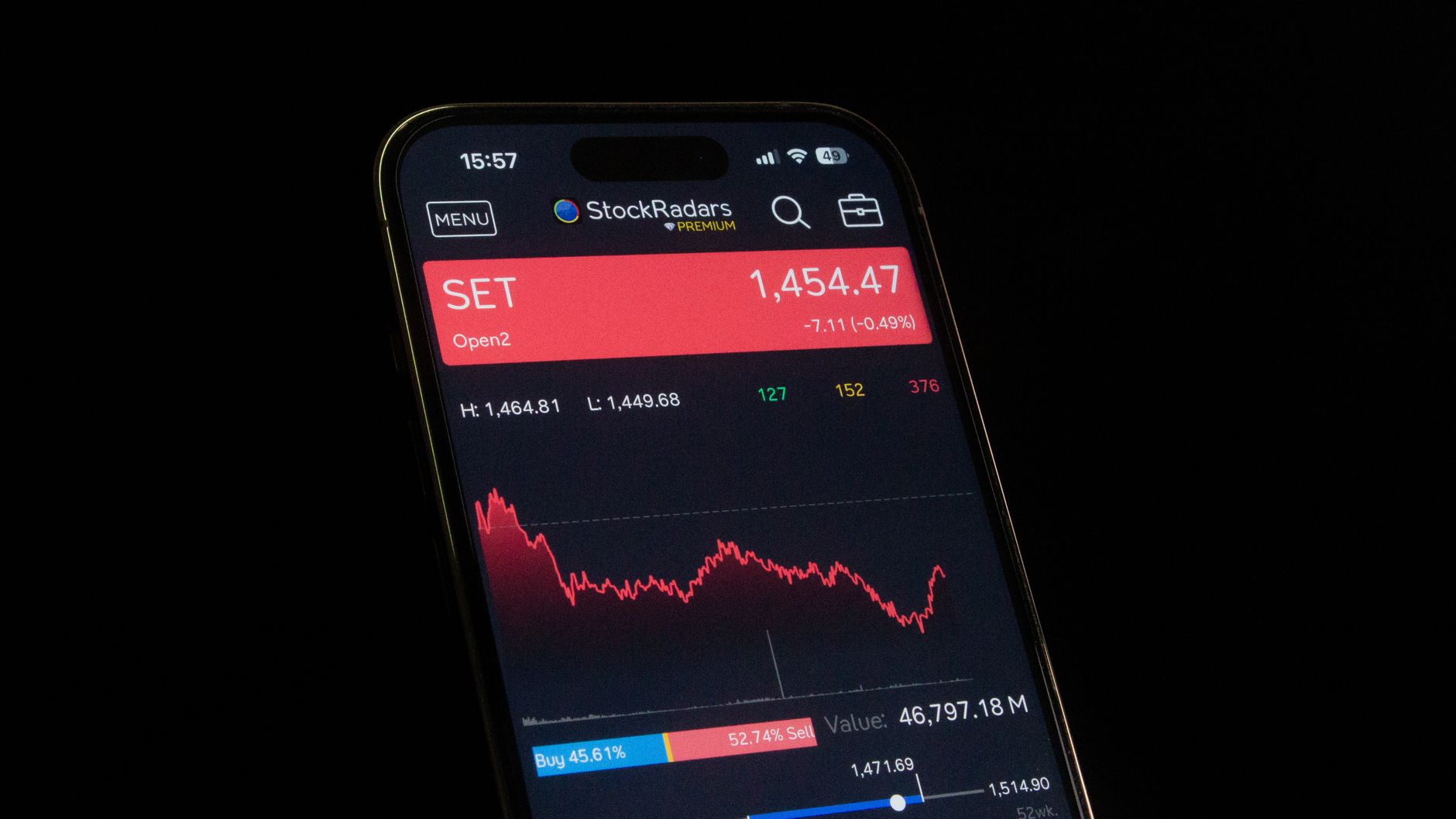
- The S&P/ASX 200 index experienced a sharp decline, shedding significant points in early trading as investors reacted nervously to escalating geopolitical tensions in the Middle East, which have historically correlated with increased market volatility and risk aversion.
- Major sectors across the Australian Securities Exchange felt the pressure, with resources and energy stocks seeing notable drops as fears of supply disruptions and a potential slowdown in global demand intensified, impacting commodity prices and investor confidence.
- The Australian dollar also weakened against major currencies, reflecting a broader move towards safe-haven assets by global investors and underscoring the heightened risk sentiment that is currently dominating financial markets worldwide.
- Bond yields saw fluctuations as markets priced in potential economic impacts from the Middle East conflict and anticipated any forward guidance from the Reserve Bank of Australia's upcoming monetary policy discussions.
- Investor sentiment surveys indicated a marked increase in caution, with a significant portion of market participants reducing their exposure to equities and increasing their holdings in less volatile assets, signalling a defensive shift in portfolio strategies.
- Foreign exchange markets observed heightened activity, with traders closely monitoring currency movements as a barometer of global economic health and risk appetite, particularly in light of the unpredictable nature of the unfolding geopolitical situation.
Geopolitical Ripples
Renewed hostilities and heightened tensions in the Middle East have once again sent shockwaves through global financial markets, triggering a familiar pattern of investor apprehension and a flight to safety. The region's critical role in global energy supply chains means any significant disruption or escalation of conflict invariably leads to increased oil price volatility and broader economic uncertainty, impacting everything from inflation expectations to corporate earnings forecasts. This latest bout of instability has revived fears of supply chain disruptions and potential retaliatory actions, prompting a reassessment of risk across asset classes worldwide. The interconnectedness of the global economy ensures that events in this volatile region have far-reaching consequences, influencing trade flows, investment decisions, and ultimately, the economic outlook for nations far removed from the immediate conflict zone. Investors are keenly watching for any signs of broader regional escalation or direct involvement of major global powers, which would significantly amplify the economic fallout and market reaction.
The Australian market, while geographically distant, is particularly sensitive to shifts in global risk sentiment due to its reliance on commodity exports and its integration into international capital flows. A surge in geopolitical risk typically dampens demand for riskier assets like equities, leading to sell-offs as investors seek refuge in perceived safer havens such as government bonds or gold. This dynamic is exacerbated when the conflict directly threatens energy supplies, as higher oil prices can fuel inflation and prompt central banks to maintain or even tighten monetary policy, further weighing on economic growth prospects. The current situation is unfolding against a backdrop of already elevated inflation and interest rates in many developed economies, making markets more vulnerable to external shocks. The potential for contagion effects, where regional instability spills over into wider economic or political crises, adds another layer of complexity and concern for market participants.
The immediate market reaction reflects a deep-seated concern among investors about the potential economic ramifications of prolonged or escalating conflict in the Middle East. Beyond the direct impact on energy markets, there are broader implications for global trade routes, shipping costs, and the overall confidence of businesses and consumers. A sustained period of heightened geopolitical uncertainty can lead to delayed investment decisions, reduced consumer spending, and a general slowdown in economic activity. This creates a challenging environment for policymakers, who must balance the need to address inflation with the imperative to support economic growth, all while navigating the unpredictable currents of international relations. The Australian market's performance is therefore a direct barometer of this global anxiety, highlighting the intricate link between geopolitical events and financial market stability.
RBA's Watchful Eye
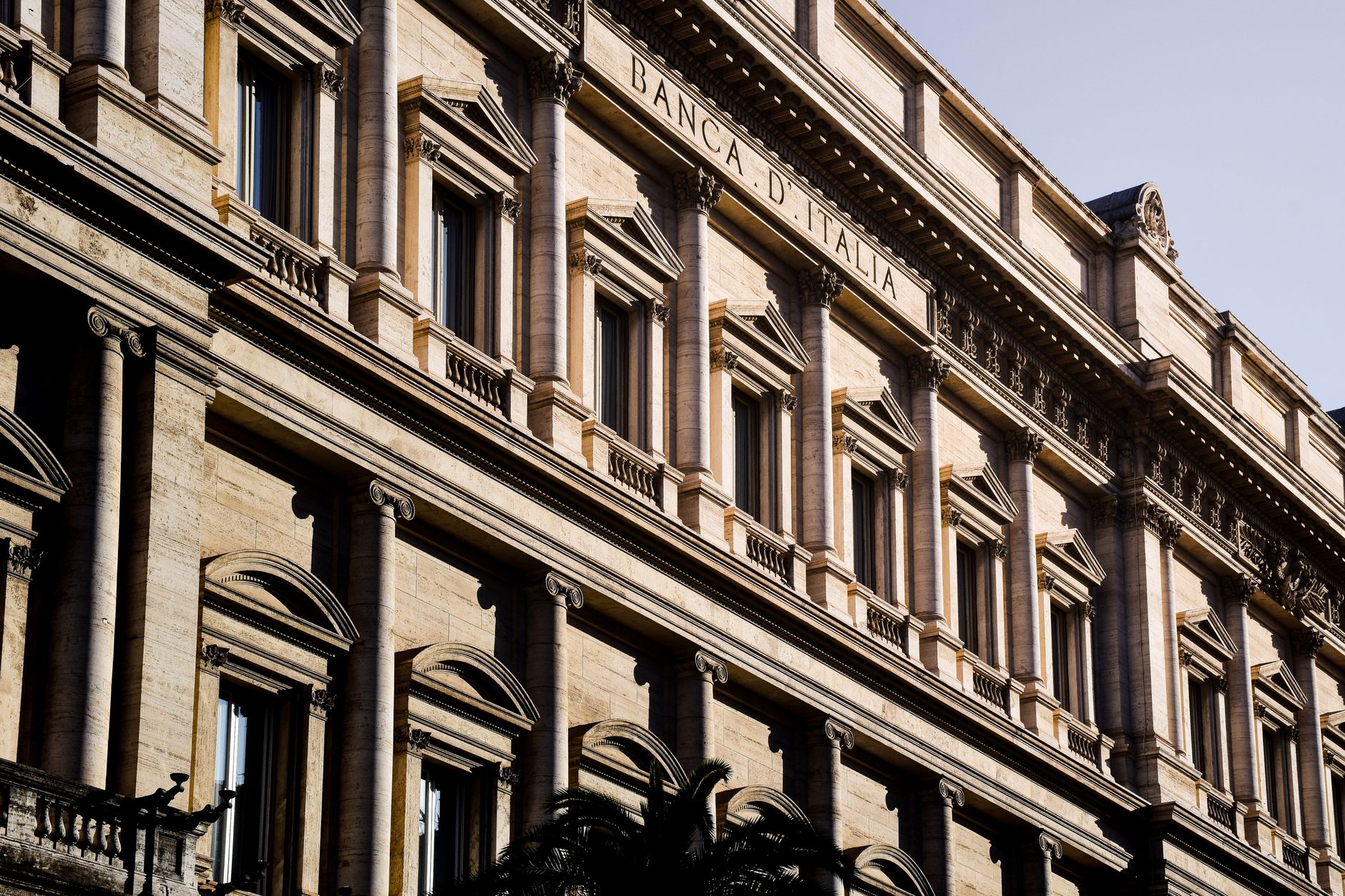
Reserve Bank of Australia Governor Michele Bullock's upcoming appearance before Senate estimates is a critical moment for both the central bank and the broader financial community. This forum provides a unique opportunity for parliamentarians to scrutinize the RBA's monetary policy decisions, economic forecasts, and overall approach to managing inflation and economic growth. Bullock, in her role as Governor, is expected to articulate the RBA's current stance on interest rates, its assessment of the domestic economic landscape, and its outlook for inflation. Investors and analysts will be dissecting her every word for clues about the future path of monetary policy, particularly in light of persistent inflation pressures and the evolving global economic environment. The RBA's communication strategy is paramount in anchoring inflation expectations and guiding market behaviour, making this testimony a key event for understanding the central bank's policy trajectory.
The RBA has recently navigated a complex period, balancing the need to curb inflation without unduly stifling economic activity. Governor Bullock has consistently emphasized data dependency, suggesting that future rate decisions will hinge on incoming economic indicators. This upcoming Senate appearance comes at a time when inflation, while showing signs of moderation, remains above the RBA's target band. Furthermore, global economic headwinds, including geopolitical instability and slowing growth in major economies, add further layers of uncertainty. Bullock's testimony will be crucial in providing clarity on how the RBA views these competing forces and how they might influence its policy decisions in the coming months. The market will be particularly attuned to any commentary on the labour market, wage growth, and consumer spending, all key inputs into the RBA's decision-making calculus.
Historically, appearances before Senate estimates have provided valuable insights into the central bank's thinking, often revealing nuances in policy rationale that might not be fully captured in standard statements. For market participants, this is a chance to gauge the RBA's tolerance for inflation versus its concern for economic growth. Any indication of a more hawkish or dovish tilt could significantly influence market expectations for interest rates, currency movements, and equity valuations. Given the current economic climate, characterized by both inflationary pressures and the risk of a global slowdown, the RBA's forward guidance is of paramount importance. Governor Bullock's ability to clearly communicate the RBA's strategy and outlook will be vital in maintaining market confidence and ensuring policy effectiveness in an uncertain world.
Market Impact
The immediate impact of renewed Middle East tensions on the ASX has been overwhelmingly negative, with broad-based selling across most sectors. Companies heavily reliant on global trade, energy imports, or those with significant international operations are particularly vulnerable to the heightened uncertainty and potential supply chain disruptions. Sectors such as airlines, tourism, and companies with substantial overseas revenue streams are likely to face headwinds as global economic activity slows and consumer confidence wanes. The increased cost of fuel, a direct consequence of rising oil prices, also directly impacts the operational costs for a wide range of businesses, squeezing profit margins and potentially leading to higher prices for consumers, further dampening demand. This ripple effect underscores the interconnectedness of the global economy and the far-reaching consequences of geopolitical instability.
Conversely, certain segments of the market might find temporary refuge or even benefit from the prevailing conditions, though these are often short-lived or specific to particular circumstances. Defence contractors and companies involved in cybersecurity could see increased interest due to heightened global security concerns. Similarly, producers of essential commodities, particularly those not directly impacted by supply disruptions, might experience some resilience. However, the overarching sentiment of risk aversion tends to overshadow these isolated positives, leading to a general decline in equity valuations. The strength of the Australian dollar, which often acts as a safe-haven currency, could also be tested if global risk appetite deteriorates significantly, impacting the competitiveness of Australian exporters.
The Reserve Bank of Australia's policy stance, as communicated by Governor Bullock, will be a crucial determinant of winners and losers in the domestic market. If the RBA signals a more cautious approach, potentially pausing rate hikes or even hinting at future cuts in response to global slowdown risks, it could provide some support to interest-rate sensitive sectors like property and consumer discretionary. However, if inflation remains stubbornly high and the RBA is forced to maintain a hawkish stance, this would likely favour sectors that can pass on costs, such as certain consumer staples or resources, while penalizing growth stocks and highly leveraged companies. The market's interpretation of Bullock's testimony will therefore significantly shape sector performance in the short to medium term.
Analyst Insights
Market analysts are closely monitoring the escalating geopolitical situation in the Middle East, viewing it as a significant risk factor that could derail the nascent recovery in global economic growth. The primary concern revolves around the potential for further disruptions to oil and gas supplies, which could reignite inflationary pressures and force central banks into a difficult balancing act between controlling prices and supporting economic activity. Many strategists are advising clients to adopt a more defensive posture, reducing exposure to equities and increasing allocations to assets perceived as safer, such as high-quality bonds and gold. The interconnectedness of global energy markets means that price shocks in one region can have widespread effects, impacting transportation costs, manufacturing inputs, and consumer spending power across the globe. This uncertainty is likely to persist, creating a volatile environment for investors.
Regarding Reserve Bank Governor Michele Bullock's testimony, analysts anticipate a strong focus on the RBA's inflation outlook and its assessment of the domestic economy's resilience. While recent inflation data might suggest a peak, the persistence of services inflation and potential upside risks from global commodity prices mean the RBA is unlikely to signal an imminent pivot to rate cuts. Instead, expect a reiteration of the data-dependent approach, with a cautious tone regarding future policy moves. Analysts will be searching for any subtle shifts in language that might indicate a change in the RBA's reaction function, particularly concerning the trade-off between inflation control and economic growth. The RBA's communication will be crucial in managing market expectations and preventing undue market volatility ahead of future policy decisions.
The interplay between geopolitical risks and domestic monetary policy presents a complex challenge for Australian businesses and investors. Analysts suggest that companies with strong balance sheets, pricing power, and diversified supply chains are best positioned to weather the current storm. For investors, a barbell strategy, combining defensive assets with selective exposure to growth opportunities that can withstand economic headwinds, is often recommended. The upcoming Senate estimates hearing is seen as a key event for gauging the RBA's risk assessment and its potential policy response, which will significantly influence the investment landscape. The consensus among many is that while inflation may be moderating, the path ahead remains fraught with uncertainty, necessitating a prudent and flexible investment approach.

Key Questions Explained
Navigating Uncertainty
The immediate outlook for the Australian market remains clouded by geopolitical uncertainties in the Middle East and the ongoing global fight against inflation. Investors are likely to remain risk-averse, favouring defensive assets and seeking clarity from central banks. The Reserve Bank of Australia's upcoming communication will be a critical determinant of domestic market sentiment, with particular attention paid to any signals regarding the future path of interest rates. Any indication that the RBA is prioritizing inflation control over growth support could lead to further pressure on equities, while a more dovish tone, perhaps acknowledging global growth risks, might offer some respite. The market's reaction will hinge on the perceived balance between these competing economic forces and the RBA's strategic response.
Looking ahead, the trajectory of the Middle East conflict and its impact on global energy markets will be a key driver of market sentiment. A de-escalation could lead to a swift risk-on rally, while further escalation would likely prolong the period of market volatility and economic caution. Domestically, the resilience of the Australian economy, particularly consumer spending and business investment, will be crucial. The effectiveness of the RBA's monetary policy in taming inflation without triggering a significant downturn will also be closely watched. Companies that can demonstrate robust fundamentals and adaptability are likely to be better positioned to navigate this complex and uncertain environment.
Ultimately, the coming weeks and months will test the resilience of both financial markets and economic policymakers. The ability of central banks, including the RBA, to communicate effectively and navigate the delicate balance between inflation and growth will be paramount. For investors, a disciplined approach, focusing on long-term fundamentals and diversification, will be essential to weather the current storm and capitalize on potential opportunities that may emerge from the ongoing market adjustments. The current environment demands vigilance, adaptability, and a clear understanding of the evolving risks and their potential economic consequences.














Comments
No comments yet. Be the first to comment!