
The Story in Brief
- Kosovo's political landscape is mired in instability, necessitating a new general election due to the failure of parties to coalesce around a candidate for the presidency.
- The repeated inability to form a government and elect a president underscores deep partisan divisions and a lack of consensus-building among Kosovo's political elites.
- This ongoing political paralysis risks undermining public trust, hindering essential reforms, and potentially impacting Kosovo's international relations and aspirations for closer integration with European structures.
- Citizens are once again being called to the ballot box, facing the prospect of further uncertainty as the fundamental issues plaguing the formation of a stable executive remain unresolved.
- The constitutional crisis surrounding the presidential election highlights the urgent need for political compromise and a renewed focus on national priorities over partisan interests.
- International partners are closely monitoring the situation, concerned that prolonged instability could jeopardize progress on key issues, including dialogue with Serbia and economic development.
The Human Face
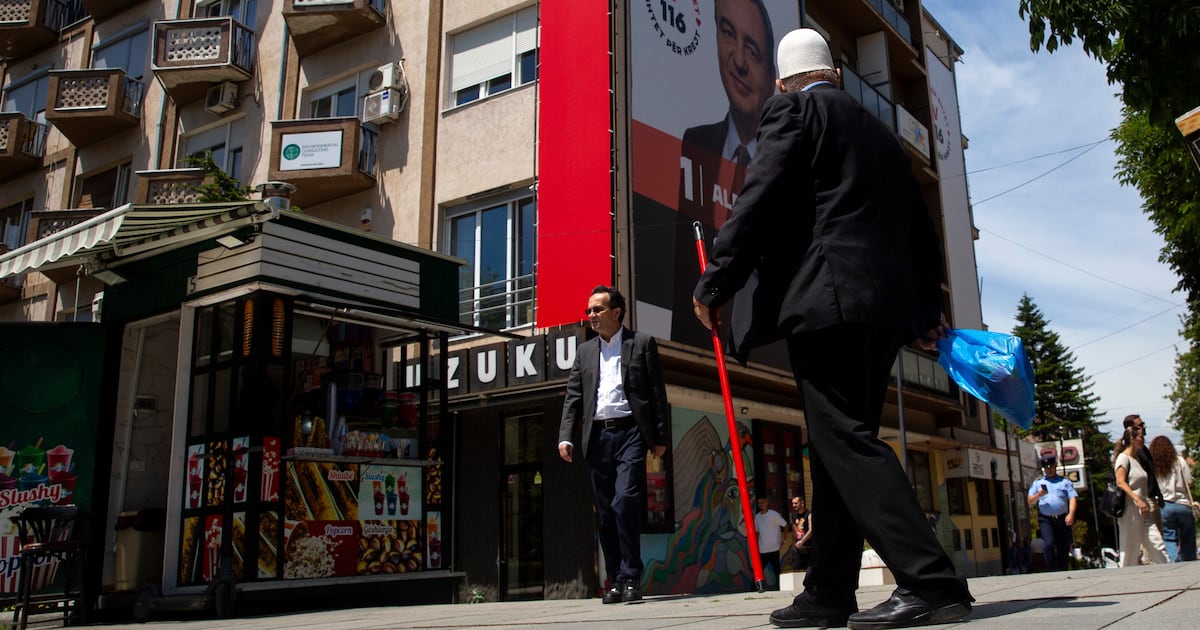
For many Kosovar citizens, the prospect of yet another election cycle brings a weary sense of déjà vu and growing frustration. The constant political maneuvering and the failure to establish a functional government mean that pressing issues like unemployment, corruption, and improving public services often take a backseat. People feel their voices are not being heard, and their daily struggles are ignored by a political class seemingly more preoccupied with power plays than with tangible progress. The repeated trips to the ballot box, with little assurance of a stable outcome, erode faith in the democratic process itself, leaving many disillusioned and questioning the effectiveness of their vote.
The economic impact of this persistent political instability is also keenly felt. Investors, both domestic and international, are hesitant to commit capital in an environment characterized by uncertainty and potential policy shifts. This translates into fewer job opportunities and slower economic growth, directly affecting the livelihoods of ordinary families. Young people, in particular, face a bleak outlook, with many considering emigration as their best chance for a stable future. The lack of a functioning government capable of implementing long-term economic strategies exacerbates these challenges, creating a cycle of stagnation that is difficult to break.
Beyond the immediate economic and political concerns, there's a palpable sense of anxiety about Kosovo's future trajectory. The inability to present a united front weakens the nation's position on the international stage, potentially impacting its efforts to gain further recognition and integrate into global security and economic alliances. Citizens worry that this internal strife will be exploited by external actors seeking to destabilize the region, further complicating an already delicate geopolitical situation. The hope for a more prosperous and secure future feels increasingly distant as the political deadlock persists.
How We Got Here
The current political crisis in Kosovo is not an isolated incident but rather a culmination of persistent challenges in coalition-building and a fragmented political landscape. Following the last general election, parties secured enough seats to form a parliament, but the crucial task of electing a president, a role often requiring broader consensus, proved insurmountable. Deep ideological divides and personal rivalries among party leaders prevented the necessary compromises to nominate and confirm a candidate, leading to constitutional deadlocks and ultimately the dissolution of the legislature.
The electoral system, while democratic, often results in a proliferation of parties, making it difficult for any single entity to gain a decisive majority. This necessitates complex coalition negotiations, which have historically been fraught with tension and instability in Kosovo. The failure to agree on a presidential candidate is a symptom of these deeper structural issues, where the pursuit of narrow partisan interests often overshadows the national imperative to form a stable and effective government capable of addressing the country's pressing needs.
Furthermore, the specific constitutional requirements for electing a president, which often involve supermajority thresholds, amplify the difficulty in reaching an agreement, especially in a politically polarized environment. When parties fail to secure the required votes, the path often leads back to the electorate, triggering new elections. This cycle repeats, reflecting a fundamental challenge in Kosovo's political culture: the struggle to transcend deep-seated divisions and forge the broad consensus required for effective governance and leadership selection.
Why This Cannot Be Ignored
The persistent political instability in Kosovo poses a significant threat to its democratic institutions and its aspirations for Euro-Atlantic integration. A government unable to form, or one constantly teetering on the brink of collapse, cannot effectively implement necessary reforms, attract foreign investment, or provide essential public services. This paralysis creates a vacuum that can be exploited by internal and external actors seeking to undermine Kosovo's sovereignty and regional stability, making it a critical issue for both domestic citizens and international observers.
Moreover, Kosovo's unresolved political situation directly impacts its foreign policy and its relationship with key international partners, including the EU and the US. The inability to demonstrate stable governance and a commitment to democratic processes can hinder progress on critical dialogues, such as the one with Serbia, and jeopardize potential pathways towards visa liberalization or closer economic ties. This stagnation not only affects Kosovo's geopolitical standing but also its citizens' ability to travel, work, and engage more fully with the wider European community.
The ongoing crisis also fuels public disillusionment and can contribute to a decline in civic engagement, as citizens feel their participation yields little tangible change. This erosion of trust in political institutions is a dangerous trend that can have long-term consequences for social cohesion and democratic resilience. Addressing the root causes of this political deadlock is therefore not just a matter of forming a government, but of safeguarding the very foundations of Kosovo's democratic future and its capacity to address the challenges it faces.
Possible Paths Forward
The most immediate path forward involves the newly elected parliament successfully forming a governing coalition and electing a president. This requires significant compromise and a willingness from political parties to prioritize national stability over narrow partisan gains. Intense negotiations are expected, with potential coalitions forming between parties that may have been rivals in the past. The success of this path hinges on the ability of leaders to overcome deep-seated animosities and find common ground on key policy objectives and the selection of a widely acceptable presidential candidate.
Should the political deadlock persist even after the new elections, Kosovo could face further constitutional challenges and potentially another round of early elections, deepening the cycle of instability. This scenario would further erode public confidence and could lead to increased international pressure for a resolution. In such a case, external mediation or a more concerted effort from international partners might become necessary to facilitate dialogue and encourage consensus among the political actors.
A longer-term solution could involve electoral reforms aimed at reducing political fragmentation and encouraging the formation of broader, more stable political alliances. Such reforms might include adjustments to the electoral threshold, campaign finance regulations, or the structure of parliamentary representation. Additionally, fostering a stronger culture of political dialogue and accountability, perhaps through enhanced parliamentary oversight mechanisms or citizen engagement platforms, could help build bridges between parties and promote more constructive political engagement.

Questions People Are Actually Asking
What to Watch
- Monitor the formation of the new parliament and the initial coalition-building efforts to gauge the likelihood of a stable government emerging.
- Observe the negotiation dynamics between major political parties, paying close attention to any signs of compromise or persistent deadlock regarding key positions and policies.
- Track the pronouncements and actions of international partners, such as the EU and US, as they may offer guidance, exert pressure, or provide support for resolution efforts.
- Assess the public mood and voter turnout in any subsequent elections, as these indicators will reflect citizen satisfaction with the political process and their trust in institutions.
- Keep an eye on economic indicators and foreign investment trends, which will provide insights into the real-world impact of the ongoing political uncertainty on Kosovo's development.
- Follow developments in Kosovo's dialogue with Serbia, as political stability domestically is often a prerequisite for progress in complex regional negotiations.













Comments
No comments yet. Be the first to comment!