


The Numbers
- Initial projections indicate that Prime Minister Albin Kurti's Self-Determination Movement (Vetëvendosje!) has secured a significant plurality of votes, potentially exceeding 40% of the ballots cast in this pivotal election.
- The Democratic Party of Kosovo (PDK) and the Democratic League of Kosovo (LDK) appear to be trailing considerably, suggesting a substantial shift in the traditional political power balance within the country.
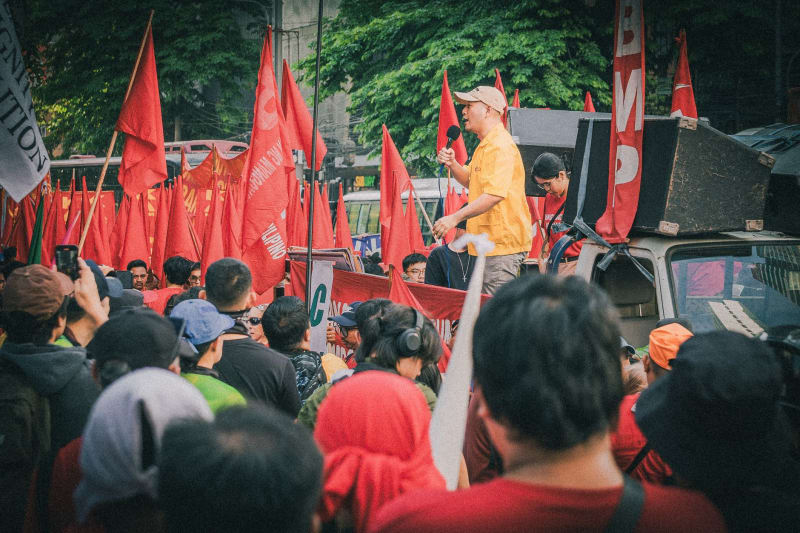
- Turnout for the election was reported to be robust, reflecting a high level of public engagement and a clear desire among citizens to shape the nation's future direction amidst ongoing challenges.
- The number of seats allocated to each party will be crucial in determining the ease with which a new government can be formed, especially if coalition negotiations prove complex and protracted.
- Early indications suggest that smaller parties and minority representation may also play a role in parliamentary dynamics, potentially influencing policy outcomes and legislative priorities moving forward.
- The final vote count, once certified, will provide a definitive picture of the electorate's mandate and set the stage for the next phase of Kosovo's political journey.
Context Check
These snap elections were triggered by the resignation of Prime Minister Kurti's government following a no-confidence vote, itself a consequence of internal coalition disagreements and external pressures related to dialogue with Serbia. The vote represents a critical juncture for Kosovo, testing the public's appetite for Kurti's nationalist and reformist agenda against the backdrop of persistent economic challenges and complex regional diplomacy. The outcome will undoubtedly influence the trajectory of Kosovo's state-building efforts and its aspirations for deeper integration into European and transatlantic structures. The international community is closely watching to see if the election results will usher in a period of stability or further political fragmentation.
The political landscape in Kosovo has been characterized by a deep division between the ruling Self-Determination Movement, which champions a more assertive national stance and anti-corruption reforms, and the more traditional, often internationally-aligned parties like PDK and LDK. These elections provide a direct referendum on Kurti's governance style and his party's vision for Kosovo's future, which includes a strong emphasis on national sovereignty and economic self-reliance. The campaign period was marked by intense debates over issues such as the normalization of relations with Serbia, judicial reform, and economic development, highlighting the multifaceted challenges facing the young nation. The results will offer a clear indication of whether voters prioritize radical change or a more moderate, established approach.
Understanding the electoral dynamics requires acknowledging Kosovo's unique geopolitical position. As a country seeking international recognition and closer ties with the EU and NATO, its internal political stability and its ability to engage constructively in regional dialogues are paramount. The election results will send signals not only to domestic stakeholders but also to international partners and neighboring countries, particularly Serbia. Any perceived instability or a mandate for a more confrontational approach could have ripple effects across the Western Balkans, a region still navigating post-conflict complexities and aspiring towards greater European integration. The international community's response to the election outcome will also be a significant factor.
Background
Kosovo declared independence from Serbia in 2008, a move recognized by many Western nations but contested by Serbia and its allies, including Russia. This ongoing dispute forms a critical backdrop to all domestic political developments. The country has since been engaged in a complex process of state-building, grappling with issues of institutional capacity, rule of law, and economic development. Early elections have been a recurring feature of Kosovo's political history, often stemming from coalition instability or parliamentary deadlock, underscoring the challenges in forging lasting political consensus. The international community, particularly through the EU-facilitated dialogue and the presence of KFOR and EULEX missions, plays a significant role in shaping Kosovo's environment.
The Self-Determination Movement (Vetëvendosje!) emerged from a civil society movement advocating for national rights and social justice, evolving into a dominant political force. Led by Albin Kurti, the party campaigned on a platform of combating corruption, strengthening national sovereignty, and fostering economic growth through increased domestic production and reduced reliance on foreign aid. Their rise to power marked a significant departure from the dominance of parties that emerged from the Kosovo Liberation Army (KLA) structures, signaling a desire for new leadership and a fresh approach to governance. The party's nationalist undertones and its sometimes confrontational stance towards international actors have been points of both appeal and concern.
The recent political instability that precipitated these elections involved the collapse of the coalition government led by Kurti. This fragmentation was exacerbated by disagreements over key policy issues, including the pace and approach to dialogue with Serbia, and broader strategic partnerships. The no-confidence vote highlighted the fragility of governing coalitions in Kosovo's multi-party system and the challenges of translating electoral success into stable, long-term governance. The subsequent campaign focused heavily on these divisions, with parties vying to present themselves as the most capable alternative to lead the country forward, promising stability and effective policy implementation.
Winners and Losers
Prime Minister Albin Kurti and his Self-Determination Movement (Vetëvendosje!) are poised to be the primary beneficiaries of this electoral outcome. A strong performance, as suggested by initial results, would solidify their position as the leading political force in Kosovo, potentially granting them a mandate to govern with greater autonomy or to form stable coalitions. This victory would validate their reformist agenda and their assertive stance on national issues, potentially strengthening their hand in future negotiations and policy decisions. Their success would represent a significant shift away from the established political elite that has dominated Kosovo's post-independence politics for years, marking a clear endorsement of their vision.
Conversely, the traditional major parties, such as the Democratic Party of Kosovo (PDK) and the Democratic League of Kosovo (LDK), appear to be facing a challenging electoral night. A diminished vote share would signify a loss of public confidence and a decline in their long-standing influence. These parties, often associated with the generation that led Kosovo to independence, may struggle to adapt to the changing political landscape and the public's demand for new approaches to governance and anti-corruption efforts. Their ability to regroup and redefine their platforms will be crucial for their future relevance and their capacity to serve as effective opposition or coalition partners.
Smaller parties and minority representation could emerge as potential swing factors, depending on the final seat allocation. While they may not achieve outright victory, their ability to secure parliamentary representation could grant them significant leverage in coalition negotiations. Their influence might be particularly pronounced if no single party secures an outright majority, forcing larger parties to seek alliances. This dynamic could empower these smaller entities, allowing them to champion specific policy agendas and potentially shape the government's direction on key issues, thereby punching above their electoral weight.
Analyst Perspectives
Analysts suggest that while Prime Minister Kurti's party may have secured the most votes, the challenge of forming a stable governing coalition remains significant. Kosovo's electoral system, designed to ensure minority representation, often leads to fragmented parliaments where consensus-building is difficult. The ability of Vetëvendosje! to find reliable partners, particularly given its often uncompromising political rhetoric, will be a key determinant of future governance effectiveness. Furthermore, the international community's reaction to the election results and its willingness to engage with a potentially more nationalistic government will play a crucial role in shaping Kosovo's regional and international standing.
The focus on corruption and rule of law during the campaign resonates with a public weary of political patronage and inefficiency. Experts believe that if Kurti's party can demonstrate tangible progress in these areas, it could bolster public trust and provide a foundation for sustained economic development. However, there are concerns that an overly assertive nationalistic stance could alienate key international partners and complicate delicate diplomatic efforts, particularly concerning normalization of relations with Serbia. Striking a balance between national interests and pragmatic international engagement will be Kurti's central challenge.
The election outcome is seen as a test for Kosovo's democratic maturity. A decisive victory for one party could lead to greater policy coherence, but it also risks marginalizing dissenting voices. Conversely, a more fragmented result could necessitate broader coalition-building, potentially leading to more inclusive policy-making but also increasing the risk of instability. The long-term implications for regional stability are also a major concern, as Kosovo's political trajectory invariably influences inter-ethnic relations and diplomatic efforts across the Western Balkans. The international community will be looking for signs of constructive engagement and a commitment to democratic norms.
Key Questions Explained
The Outlook
The coming months will be critical for Kosovo as it navigates the post-election landscape. The formation of a stable government, likely led by Prime Minister Kurti's party, will set the tone for domestic policy and international engagement. Key priorities will include addressing economic stagnation, strengthening the rule of law, and managing the complex relationship with Serbia. The success of these endeavors will depend not only on the government's effectiveness but also on its ability to foster broader political consensus and maintain constructive dialogue with international partners. The path forward requires a delicate balance between asserting national interests and engaging pragmatically on the regional and global stage.
Regional stability remains a significant concern, and Kosovo's political developments will continue to be closely monitored by its neighbors and the international community. Any perceived escalation of tensions or a lack of progress in dialogue could have ripple effects across the Western Balkans. Therefore, the new government will face pressure to demonstrate a commitment to de-escalation and regional cooperation, even as it pursues its national agenda. The EU's role as a mediator and facilitator will remain indispensable in managing these complex dynamics and encouraging forward momentum towards European integration for all countries in the region.
Ultimately, the election results offer a glimpse into Kosovo's evolving political identity and its aspirations for the future. While challenges abound, the potential for decisive leadership and reform offers a degree of optimism. The ability of Kosovo's political actors to transcend divisions, engage constructively with international partners, and deliver tangible improvements in the lives of its citizens will determine its long-term success and its standing within the international community. The focus now shifts from the campaign trail to the demanding task of governance and nation-building.














Comments
No comments yet. Be the first to comment!