

Key Takeaways
- South Korea's economic miracle is built on a foundation of deliberate, long-term government policy and strategic industrial planning, moving from light manufacturing to high-tech dominance.
- Massive investments in education and R&D have cultivated a highly skilled workforce and fostered a culture of innovation, essential for competing in global technology markets.
- The rise of powerful domestic conglomerates, or 'chaebols,' has been instrumental, though not without controversy, in driving export-led growth and technological advancement.
- Despite facing numerous geopolitical and economic challenges, Korea has demonstrated remarkable resilience, adapting its strategies to maintain competitiveness and achieve sustained growth.
- The nation's success offers valuable lessons in industrial policy, human capital development, and the importance of adapting to a rapidly evolving global economic landscape.
- Future growth hinges on navigating demographic shifts, maintaining technological leadership, and addressing internal economic disparities while continuing to foster innovation.
Background
South Korea's transformation from a war-torn nation into a global economic powerhouse is a story of meticulous planning and unwavering national resolve. Following the Korean War, the country was one of the poorest in the world, heavily reliant on foreign aid. However, a series of ambitious five-year economic development plans, initiated in the early 1960s, set the stage for an unprecedented period of growth. These plans were not merely aspirational; they were concrete roadmaps that guided resource allocation, identified strategic industries, and fostered export-oriented manufacturing. The government played a pivotal role, actively supporting key sectors through subsidies, preferential loans, and protectionist measures, creating an environment where nascent industries could mature and eventually compete on the global stage. This top-down approach, while sometimes criticized for its authoritarian undertones, proved remarkably effective in mobilizing national resources towards specific economic goals, laying the groundwork for the 'Miracle on the Han River.'
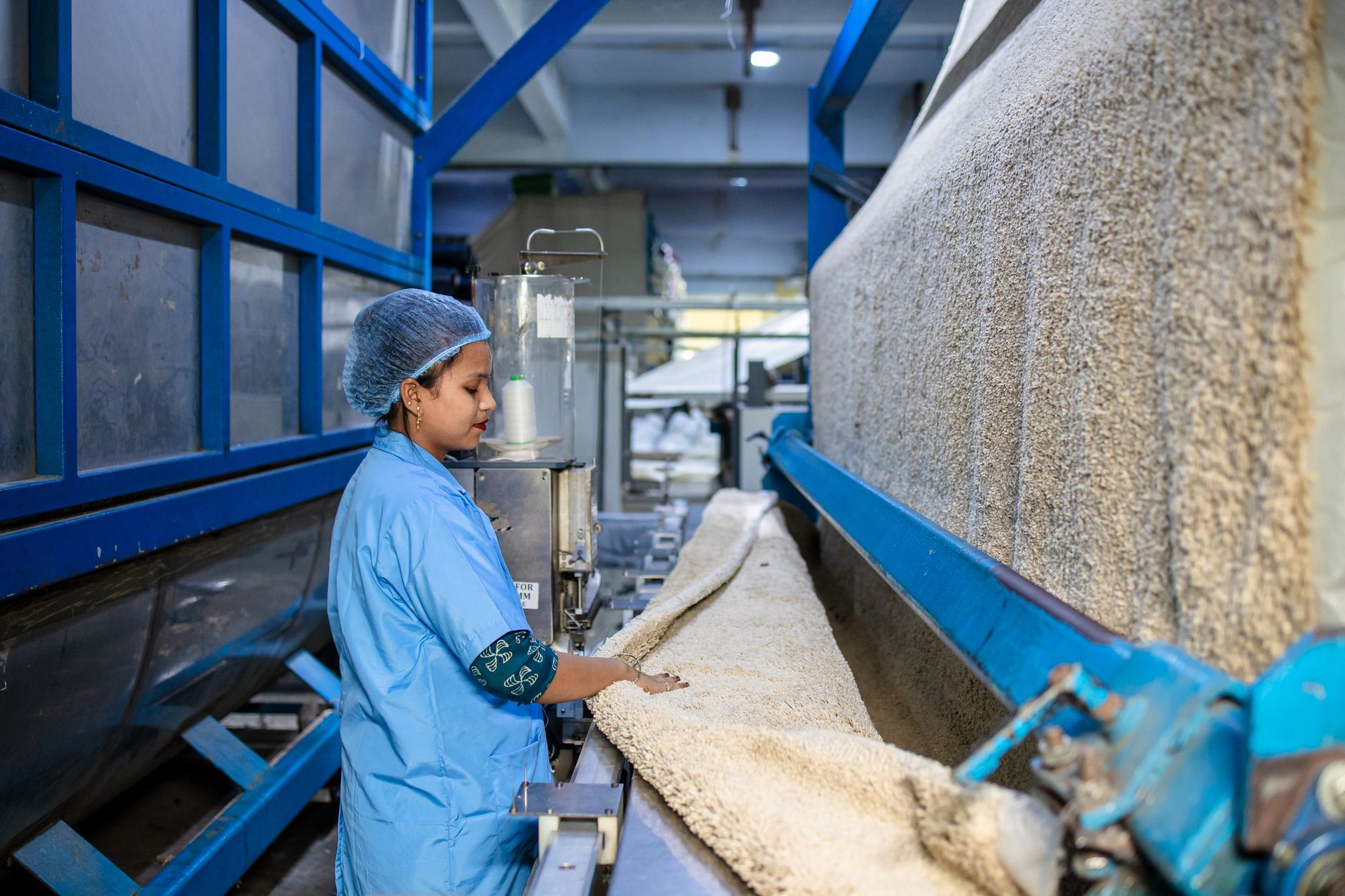
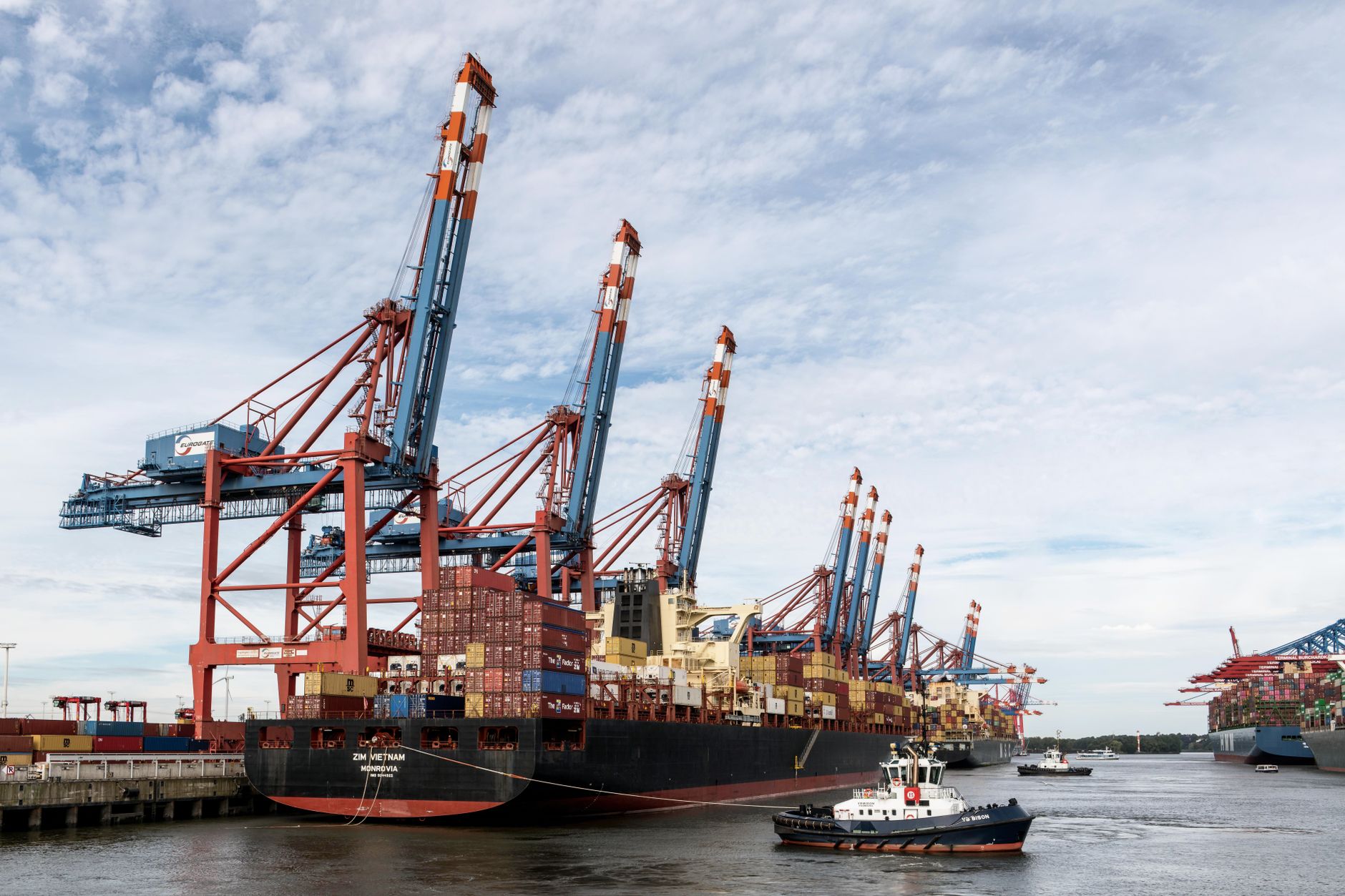
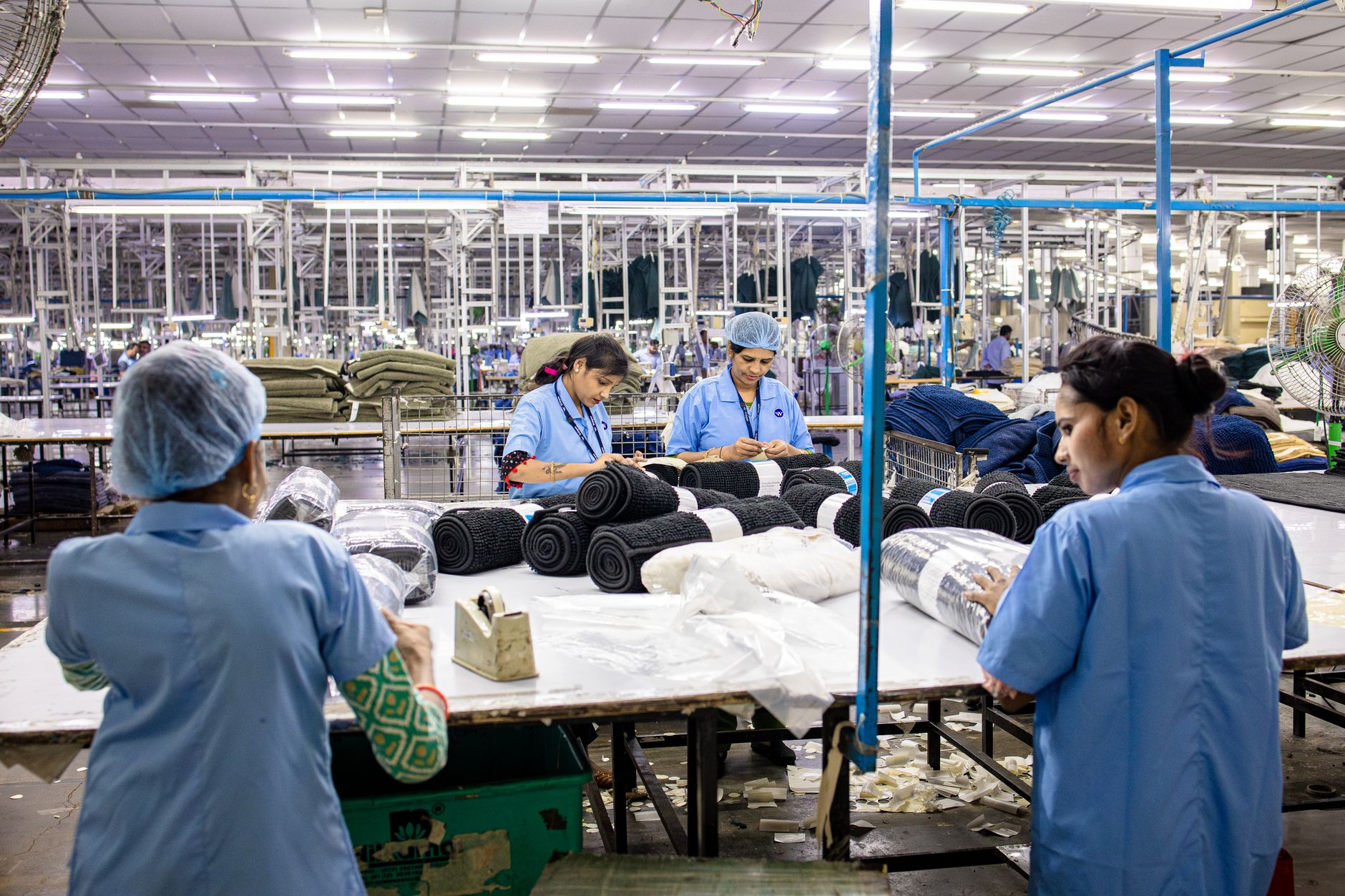
The initial focus was on labor-intensive industries like textiles and footwear, leveraging the nation's abundant and relatively inexpensive workforce. As these sectors matured and global competition intensified, the government strategically shifted its focus towards heavier industries, such as steel, shipbuilding, and automobiles. This transition was supported by significant investments in infrastructure, including ports, roads, and power generation, which were essential for supporting large-scale industrial operations and facilitating exports. The development of the steel industry, spearheaded by POSCO, was a critical enabler, providing essential raw materials for other burgeoning sectors. Simultaneously, the government encouraged the growth of large, diversified business groups known as 'chaebols,' such as Samsung, Hyundai, and LG. These conglomerates were tasked with achieving economies of scale, driving technological adoption, and spearheading the nation's push into more sophisticated manufacturing processes, becoming the engines of Korea's export-led growth model.
Crucially, this industrial development was underpinned by a parallel commitment to human capital. Recognizing that a skilled workforce was paramount for moving up the value chain, South Korea made substantial investments in education at all levels. Compulsory education was expanded, and significant resources were channeled into vocational training and higher education, particularly in science and engineering fields. This focus on education created a highly literate and technically proficient population, capable of adapting to new technologies and driving innovation. The synergy between strategic industrial policy, robust infrastructure, and a well-educated populace created a virtuous cycle, propelling South Korea's economy forward at an astonishing pace and establishing its reputation as a global manufacturing and technology leader.
Why It Matters
South Korea's economic trajectory offers a compelling case study for developing and developed nations alike, demonstrating how strategic, long-term planning can overcome significant disadvantages. The nation's ability to transition from a low-income, agrarian society to a high-income, technologically advanced economy in just a few decades is a testament to the power of focused industrial policy, investment in human capital, and a commitment to export competitiveness. Understanding the mechanics of this success provides invaluable insights for countries seeking to foster their own economic development, particularly in navigating the complexities of globalization and technological change. It highlights the critical role of government in setting a clear vision, fostering key industries, and investing in the foundational elements of growth, such as education and infrastructure.
Furthermore, Korea's experience underscores the importance of adaptability and resilience in the face of evolving global economic landscapes. The country has consistently demonstrated an ability to pivot its industrial focus, moving from basic manufacturing to sophisticated electronics, semiconductors, and even cultural exports like K-pop and cinema. This capacity for reinvention is crucial in today's rapidly changing world, where technological disruption and shifting market demands are the norm. For established economies, Korea's journey serves as a reminder that complacency can be detrimental, and continuous innovation and strategic foresight are necessary to maintain a competitive edge. Its success in high-tech sectors, particularly in semiconductors and displays, has made it a critical node in global supply chains, influencing international trade and technological standards.
The implications of Korea's economic model extend beyond mere industrial output; they touch upon societal development and geopolitical influence. A strong economy has enabled significant advancements in quality of life, technological infrastructure, and global soft power. However, it also raises important questions about income inequality, the concentration of economic power within chaebols, and the sustainability of its export-driven model in an increasingly protectionist world. Analyzing Korea's success is therefore not just an economic exercise but a socio-political one, offering lessons on how nations can achieve prosperity while navigating the inherent challenges of rapid development and global integration. The ongoing evolution of its economy provides a real-time laboratory for understanding the dynamics of innovation, competition, and national development in the 21st century.
Ground Reality
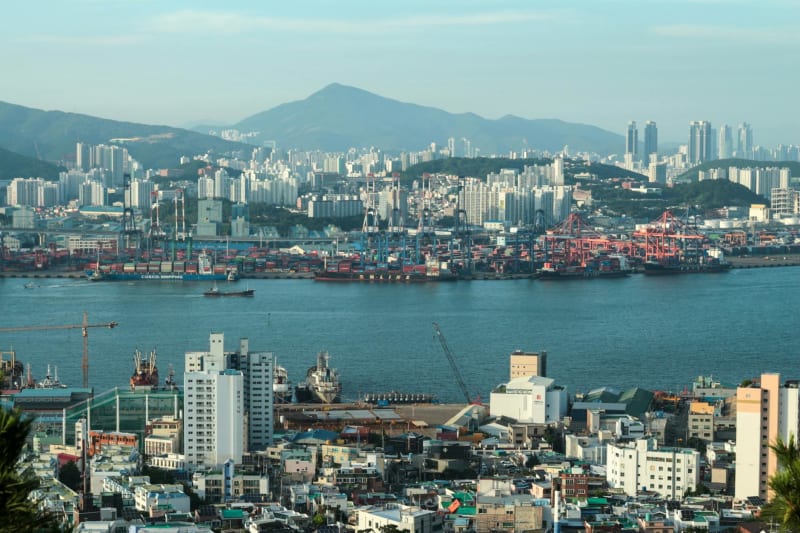
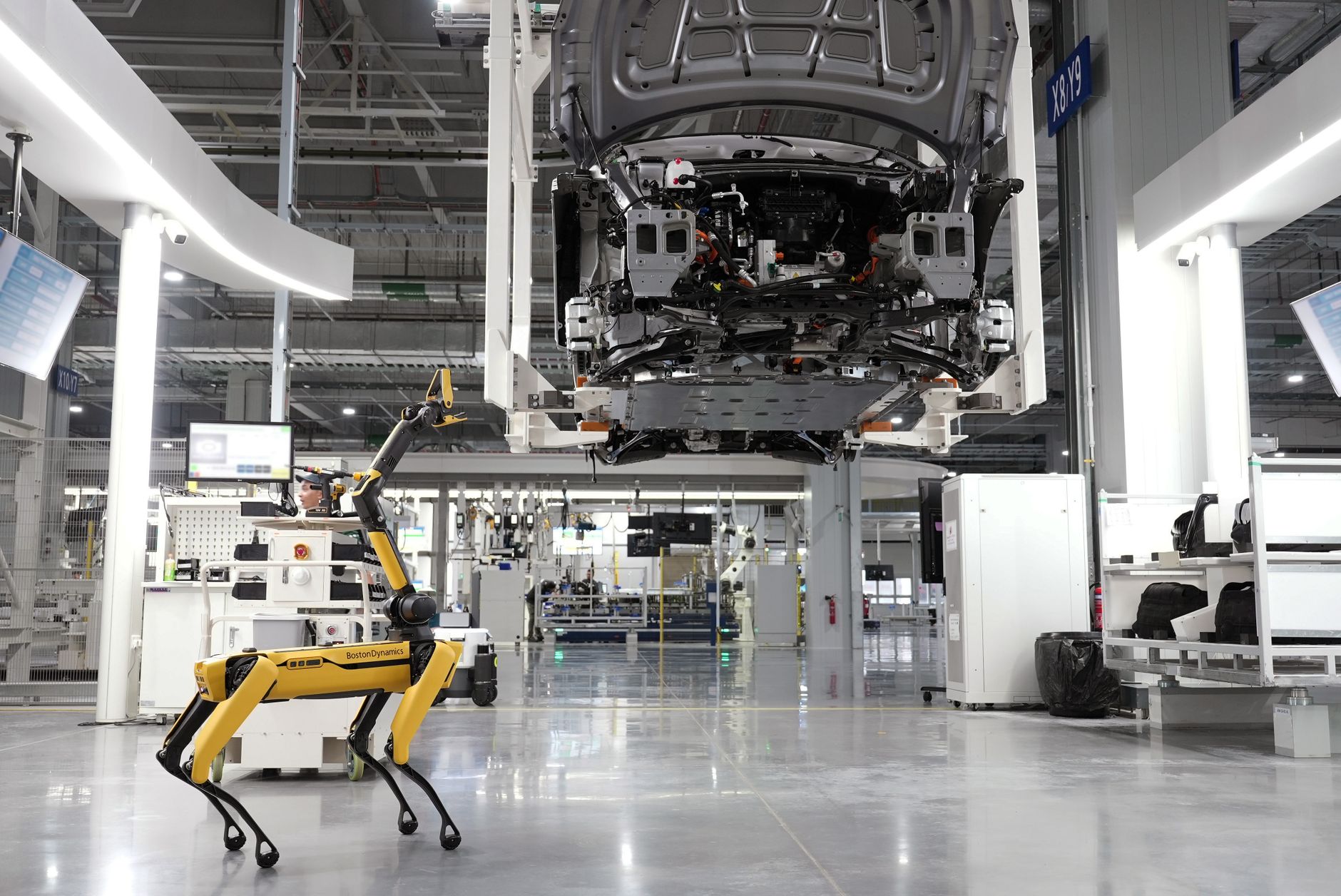
On the ground, South Korea's economic success is palpable in its hyper-modern cities, advanced infrastructure, and ubiquitous technological integration. The streets are filled with cutting-edge vehicles, and high-speed internet is a given, reflecting a society deeply intertwined with technological progress. The dominance of global brands like Samsung and LG in consumer electronics and Hyundai and Kia in the automotive sector showcases the tangible output of decades of strategic industrial policy. Major cities like Seoul are bustling hubs of commerce and innovation, featuring state-of-the-art facilities and a highly competitive business environment. This visible prosperity, however, coexists with intense societal pressures, particularly concerning education and employment, where competition is fierce and the stakes are exceptionally high for individuals seeking to secure a stable future within this dynamic economy.
The workforce is characterized by its dedication and high skill levels, a direct result of the nation's emphasis on education and training. However, this often translates into long working hours and immense pressure to perform, contributing to high stress levels among the population. While the export-driven model has created immense wealth, its benefits are not always evenly distributed. There's a noticeable gap between the thriving large conglomerates and the struggles of small and medium-sized enterprises (SMEs), which often face challenges in competing for resources and market share. This disparity can create economic anxieties for many, despite the overall national prosperity, highlighting the complexities of Korea's economic structure.
Moreover, the concentration of economic power within a few large chaebols significantly shapes the business landscape and daily life. These conglomerates often dictate market trends, influence policy, and provide a vast number of jobs, making them central pillars of the economy. Their influence extends to innovation, as they possess the resources for large-scale R&D, but it also raises concerns about market fairness and opportunities for smaller, innovative startups. The daily reality for many Koreans involves navigating this complex ecosystem, striving for success within a system that rewards high achievement but also presents significant structural challenges and intense competition.
What Experts Are Saying
Economists widely acknowledge South Korea's development as a remarkable success story, often citing its strategic industrial policy and investment in human capital as key drivers. Dr. Ha-Joon Chang, a prominent development economist, has often highlighted Korea's experience as evidence that 'infant industry protection' and active state intervention can be beneficial, challenging the prevailing neoliberal orthodoxy that advocates for minimal government involvement. He points to the government's deliberate nurturing of specific sectors and its role in coordinating investment as crucial elements that allowed Korean firms to achieve global competitiveness, a stark contrast to the often-cited 'Washington Consensus' approach.
However, many experts also caution against viewing Korea's model as universally replicable or without significant drawbacks. Concerns are frequently raised about the immense power wielded by the chaebols, with analysts like Stephan Haggard noting the potential for market distortions, cronyism, and stifled competition. The concentration of economic power within these family-controlled conglomerates has led to calls for structural reforms to promote greater fairness and opportunity for smaller businesses. Furthermore, the intense societal pressure and demanding work culture, often linked to the drive for economic success, are subjects of ongoing discussion among sociologists and labor experts who study the human cost of rapid development.
Looking ahead, experts emphasize that Korea's future economic health depends on its ability to adapt to new challenges. The semiconductor industry, a cornerstone of its current success, faces intense global competition and geopolitical risks. Analysts like Michael Porter might suggest that Korea needs to foster an environment that encourages more organic innovation and entrepreneurship beyond the chaebol system to maintain its competitive edge. The demographic challenges, including a rapidly aging population and low birth rates, also present significant hurdles that require innovative policy solutions, moving beyond the traditional growth models of the past.

Frequently Asked Questions
What Happens Next
South Korea is poised at a critical juncture, facing the imperative to adapt its highly successful, yet increasingly challenged, economic model. The future will likely see a continued emphasis on technological innovation, particularly in areas like artificial intelligence, biotechnology, and renewable energy, as the nation seeks to maintain its competitive edge in high-value industries. Efforts to diversify the economy beyond its traditional manufacturing and export base may intensify, with a greater focus on fostering domestic consumption and supporting the growth of innovative startups and SMEs. Navigating the complexities of global trade relations and potential supply chain realignments will also be paramount, requiring agile policy responses and strategic international partnerships.
Addressing demographic headwinds will be a central policy challenge. The government is expected to implement measures aimed at boosting the birth rate, encouraging immigration, and maximizing the productivity of its aging workforce. This may involve reforms to the pension system, increased support for childcare, and initiatives to promote lifelong learning and reskilling. Simultaneously, efforts to mitigate economic inequality and enhance social mobility are likely to gain traction, potentially leading to policy shifts aimed at rebalancing the economy and ensuring that the benefits of growth are more broadly shared. The role of chaebols may also evolve, with potential regulatory adjustments to foster a more level playing field for smaller enterprises.
Geopolitically, South Korea will continue to navigate its complex relationship with North Korea, China, and the United States, balancing security concerns with economic opportunities. Its role as a key player in global technology supply chains, particularly in semiconductors, positions it at the center of international economic and technological competition. The nation's ability to manage these external pressures while fostering domestic resilience and innovation will ultimately shape its economic trajectory in the coming decades. Continued investment in R&D, coupled with strategic international collaborations, will be essential for securing its position as a leading global economy.












Comments
No comments yet. Be the first to comment!