
What We Know
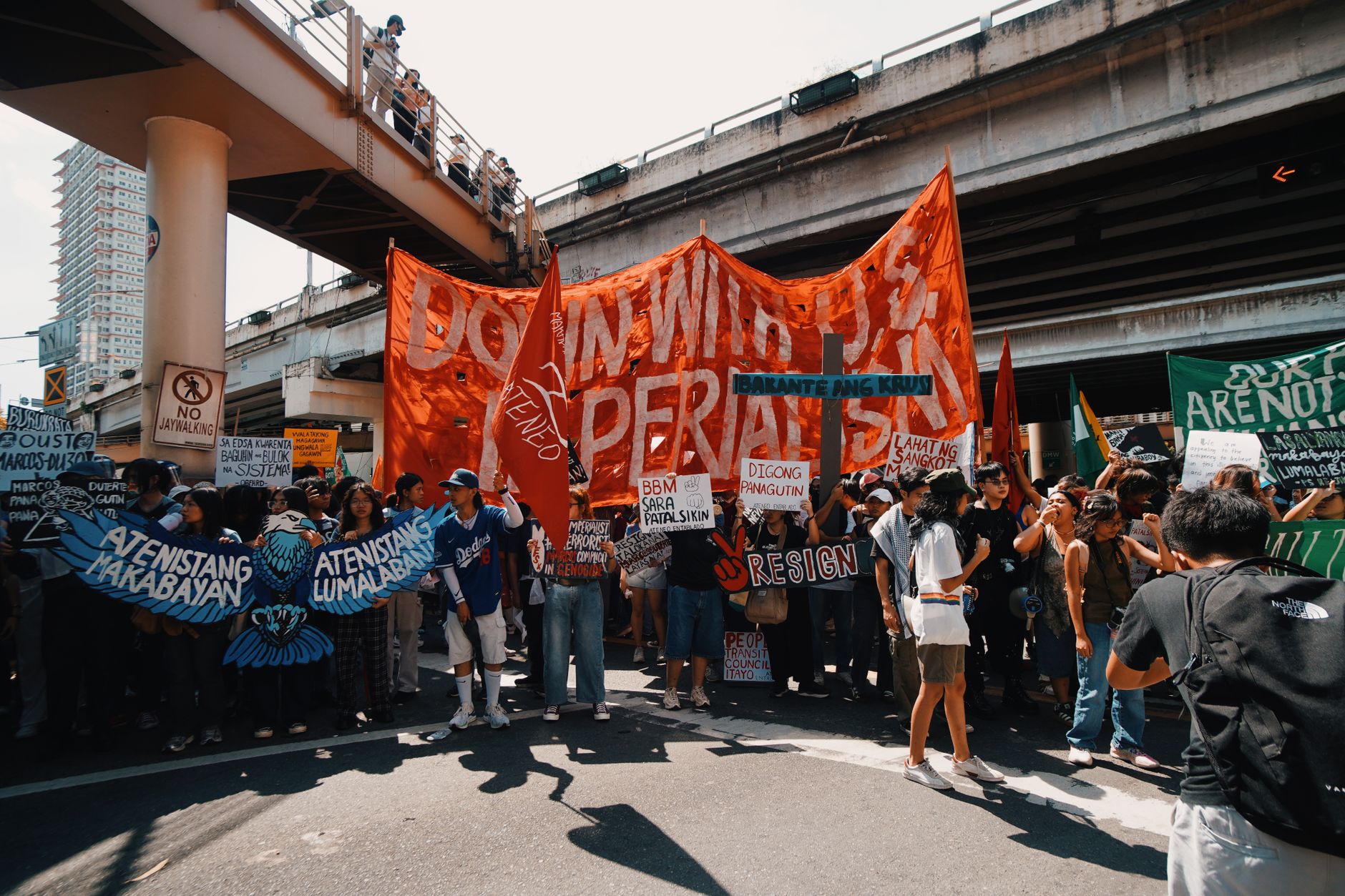
- The United States is experiencing profound political polarization, with partisan divides deepening across socioeconomic and geographic lines, making bipartisan cooperation increasingly difficult and fueling distrust in governmental institutions.
- Erosion of democratic norms, including the questioning of election integrity, the rise of political violence, and the decline of civility in public discourse, poses a significant threat to the stability and functioning of democratic processes.
- Key democratic institutions, such as the judiciary, legislative bodies, and the free press, are facing increased scrutiny and, in some cases, direct challenges to their legitimacy and independence, weakening their ability to serve as checks and balances.
- Misinformation and disinformation campaigns, amplified by social media, are actively shaping public opinion, distorting political realities, and undermining informed decision-making, thereby exacerbating societal divisions and hindering constructive dialogue.
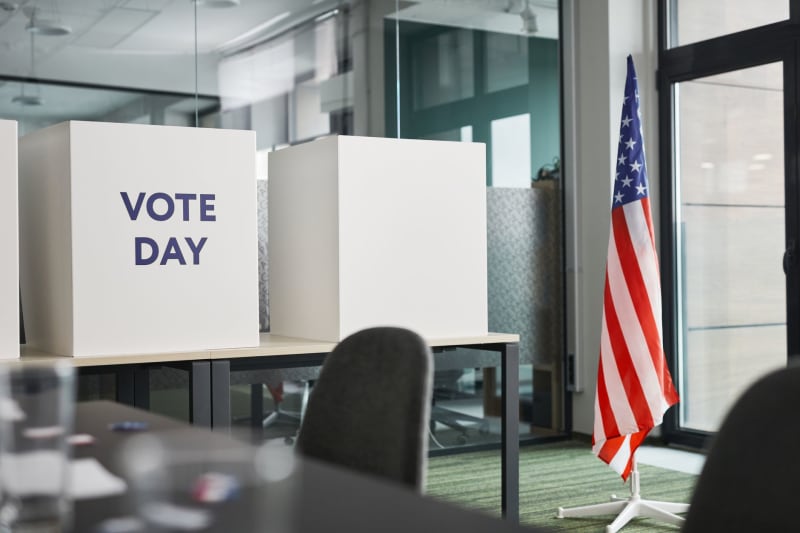
- Voter access and election administration are becoming increasingly contentious issues, with varying state-level policies creating a complex and often confusing landscape for citizens attempting to exercise their fundamental right to vote.
- There is a growing concern among experts and the public alike about the potential for democratic backsliding, where established democratic practices and principles are systematically weakened or dismantled, leading to authoritarian tendencies.
What We Do Not Know Yet
- The long-term impact of current political divisions on the social fabric and national cohesion remains uncertain, with potential for lasting fragmentation or eventual reconciliation.
- The extent to which technological advancements, particularly AI, will be leveraged to either enhance or undermine democratic processes in future elections and public discourse is yet to be fully understood.
- The ultimate effectiveness of proposed reforms aimed at strengthening democratic institutions and mitigating polarization is unknown, as their implementation and societal reception are still unfolding.
- Whether the current generation of political leaders will prioritize democratic resilience over partisan gain is a critical unknown that will shape the immediate future of the nation's governance.
- The global geopolitical landscape's influence on domestic American political stability and the resilience of its democratic experiment is a complex variable with unpredictable consequences.
- The capacity of educational systems to adequately prepare citizens for the challenges of navigating a complex information environment and participating effectively in a polarized democracy is still being tested.
Background
The American experiment in self-governance was founded on principles of representative democracy, designed to balance competing interests through institutional checks and balances, and to foster deliberation among citizens. The framers envisioned a system capable of adaptation, but they could not have foreseen the technological advancements, demographic shifts, or the sheer scale of information dissemination that characterize the 21st century. The original design, while robust for its time, was predicated on a slower pace of communication and a different understanding of public opinion formation. These foundational elements are now being tested by forces that operate at speeds and scales far beyond the framers' contemplation, leading to a critical juncture where the system's inherent mechanisms may be strained to their breaking point.
Historically, American democracy has weathered numerous storms, from the Civil War to the Civil Rights Movement, demonstrating a remarkable capacity for resilience and reform. Each crisis has reshaped the nation's political landscape, often expanding democratic participation and strengthening institutional frameworks. However, the current challenges are unique in their interconnectedness and pervasiveness. The confluence of deep ideological divides, the weaponization of information, and the erosion of trust in established institutions presents a complex threat that transcends any single historical parallel. Understanding these historical precedents is crucial, but it is equally important to recognize that the present moment demands novel approaches and a renewed commitment to democratic principles.
The very definition of "We the People" has evolved dramatically since the nation's inception, reflecting a more diverse and inclusive society. This expansion of suffrage and representation is a testament to the ongoing struggle to realize the ideals of equality and justice. Yet, this progress has also fueled backlash and resistance, contributing to the current polarization. The ongoing tension between an ever-broadening conception of democracy and the forces seeking to preserve or reclaim a narrower vision creates a dynamic and often volatile political environment. Navigating this complex social and political terrain requires a deep understanding of the historical forces at play and a clear-eyed assessment of the present challenges.
Why It Matters
The stability and legitimacy of American democracy have profound implications not only for its own citizens but for the global order. As a leading democratic power, the United States serves as a model and a stabilizing force in international relations. When its democratic foundations weaken, it can embolden authoritarian regimes, destabilize alliances, and undermine efforts to promote democracy and human rights worldwide. The internal turmoil and polarization within the U.S. can distract from addressing critical global challenges, such as climate change, pandemics, and economic inequality, thereby diminishing the nation's capacity to lead and cooperate on the international stage.
Domestically, the erosion of democratic norms and institutions directly impacts the quality of life for all Americans. When political discourse becomes toxic and governance becomes paralyzed by partisan gridlock, essential public services can suffer, economic opportunities may be curtailed, and social cohesion can fracture. The ability of citizens to trust their government, participate meaningfully in the political process, and believe in the fairness of the system is fundamental to a healthy society. A democracy in distress risks alienating its populace, fostering cynicism, and creating an environment where the rights and freedoms of individuals are increasingly precarious.
The current challenges to American democracy represent a critical inflection point. The choices made today regarding political engagement, institutional reform, and the promotion of civic values will determine the trajectory of the nation for decades to come. Failure to address the underlying causes of polarization, misinformation, and institutional distrust could lead to a sustained period of instability, further eroding public confidence and potentially paving the way for more extreme political outcomes. Conversely, a concerted effort to revitalize democratic practices and strengthen its foundations could usher in an era of renewed civic health and effective governance.
Timeline of Events
- Early Republic Era: Establishment of foundational democratic institutions and principles, including the Constitution and Bill of Rights, setting the stage for representative governance.
- Jacksonian Democracy (1820s-1830s): Expansion of suffrage to more white men, marking a shift towards broader popular participation and challenging established elites.
- Civil War and Reconstruction (1861-1877): A profound crisis that tested the very survival of the Union and led to the abolition of slavery and attempts to establish civil rights for newly freed slaves.
- Progressive Era (Late 19th/Early 20th Century): A period of significant social and political reform aimed at curbing the power of monopolies, improving working conditions, and increasing democratic accountability through measures like direct election of senators.
- Civil Rights Movement (1950s-1960s): A sustained struggle for racial equality that resulted in landmark legislation expanding voting rights and dismantling segregation, fundamentally altering the landscape of American democracy.
- Digital Age and Polarization (Late 20th Century - Present): The rise of the internet and social media has dramatically reshaped communication, political organizing, and the spread of information, contributing to new forms of political engagement and heightened polarization.
Rapid-Fire Q&A
What Is Coming
- Increased focus on electoral integrity and potential legal challenges surrounding election outcomes, particularly in closely contested races, could further strain democratic processes and public trust.
- Ongoing debates and potential legislative efforts concerning campaign finance reform, voting rights, and the structure of political representation will continue to shape the electoral landscape.
- The role of technology, including artificial intelligence, in shaping political discourse and election campaigns will become a more prominent concern, raising questions about regulation and ethical use.
- Continued efforts by various groups to mobilize voters and influence policy agendas, potentially leading to further shifts in political power and the prioritization of different issues.
- The potential for significant geopolitical events to influence domestic political dynamics and the nation's focus on democratic resilience and international engagement.
- Heightened public discourse and potential policy responses related to social and economic inequalities, which are often intertwined with political polarization and trust in institutions.













Comments
No comments yet. Be the first to comment!