

The Story in Brief
- Despite the imposition of stringent economic sanctions by the Trump administration, Iran's economy has not collapsed as predicted, exhibiting a notable degree of resilience and adaptability.
- The Iranian government has employed a range of strategies, including import substitution, currency management, and bolstering domestic production, to mitigate the impact of external economic pressures.
- International trade dynamics have shifted, with Iran increasingly engaging with non-Western partners and exploring alternative payment mechanisms to circumvent dollar-dominated financial systems.
- Underlying structural factors within Iran's economy, such as a large domestic market and a diversified, albeit state-influenced, industrial base, have contributed to its ability to withstand external shocks.
- The long-term consequences of these sanctions and Iran's response are multifaceted, impacting regional geopolitics, global energy markets, and the daily lives of Iranian citizens.
- Understanding Iran's economic survival mechanisms provides crucial insights into the limitations of economic statecraft and the complex interplay of political will, economic policy, and global interconnectedness.
The Human Face
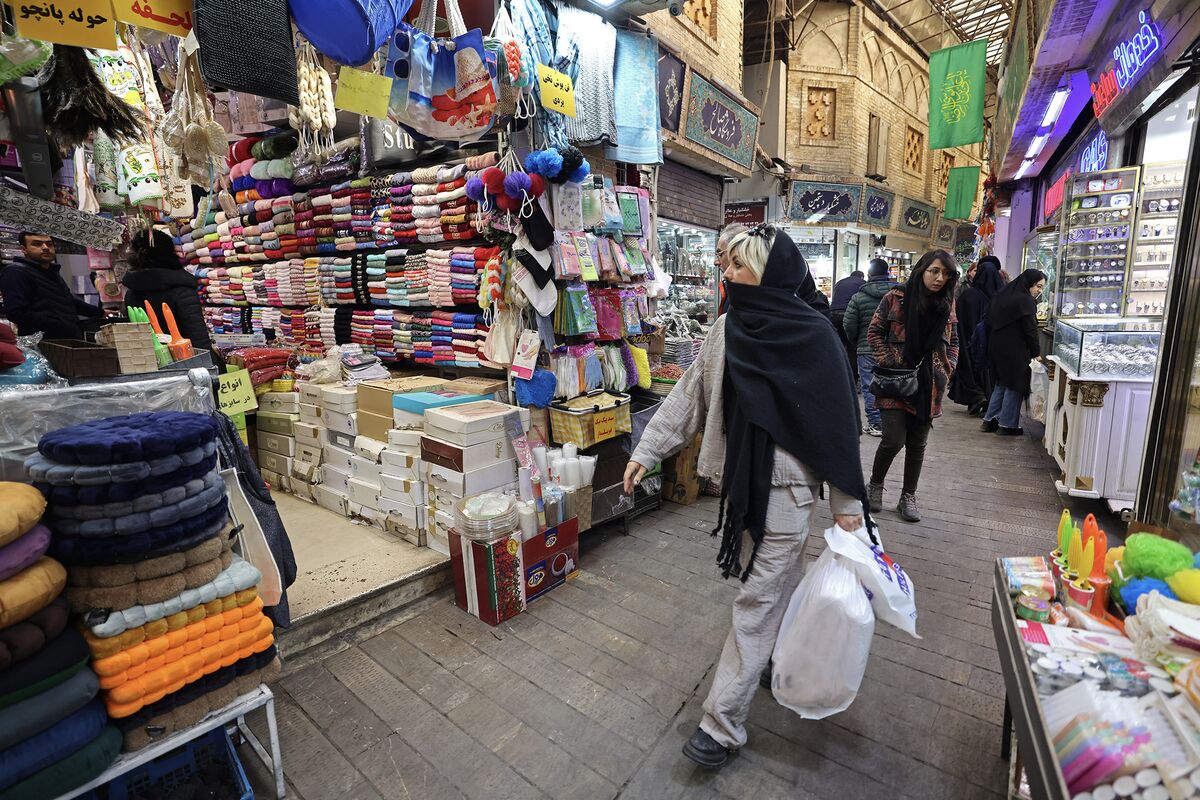
The impact of sanctions on ordinary Iranians has been profound, creating significant hardships that ripple through daily life. Access to essential goods, including medicines and medical equipment, has been hampered by financial restrictions and the reluctance of international banks to process transactions, even those deemed humanitarian. This has led to increased costs for imported items and a decline in the purchasing power of the Iranian Rial, making it difficult for families to afford basic necessities. Businesses, particularly those reliant on imported raw materials or export markets, have faced severe disruptions, leading to job losses and reduced incomes. The psychological toll of economic uncertainty and the struggle for survival adds another layer of difficulty, fostering a sense of anxiety and precarity among the population.
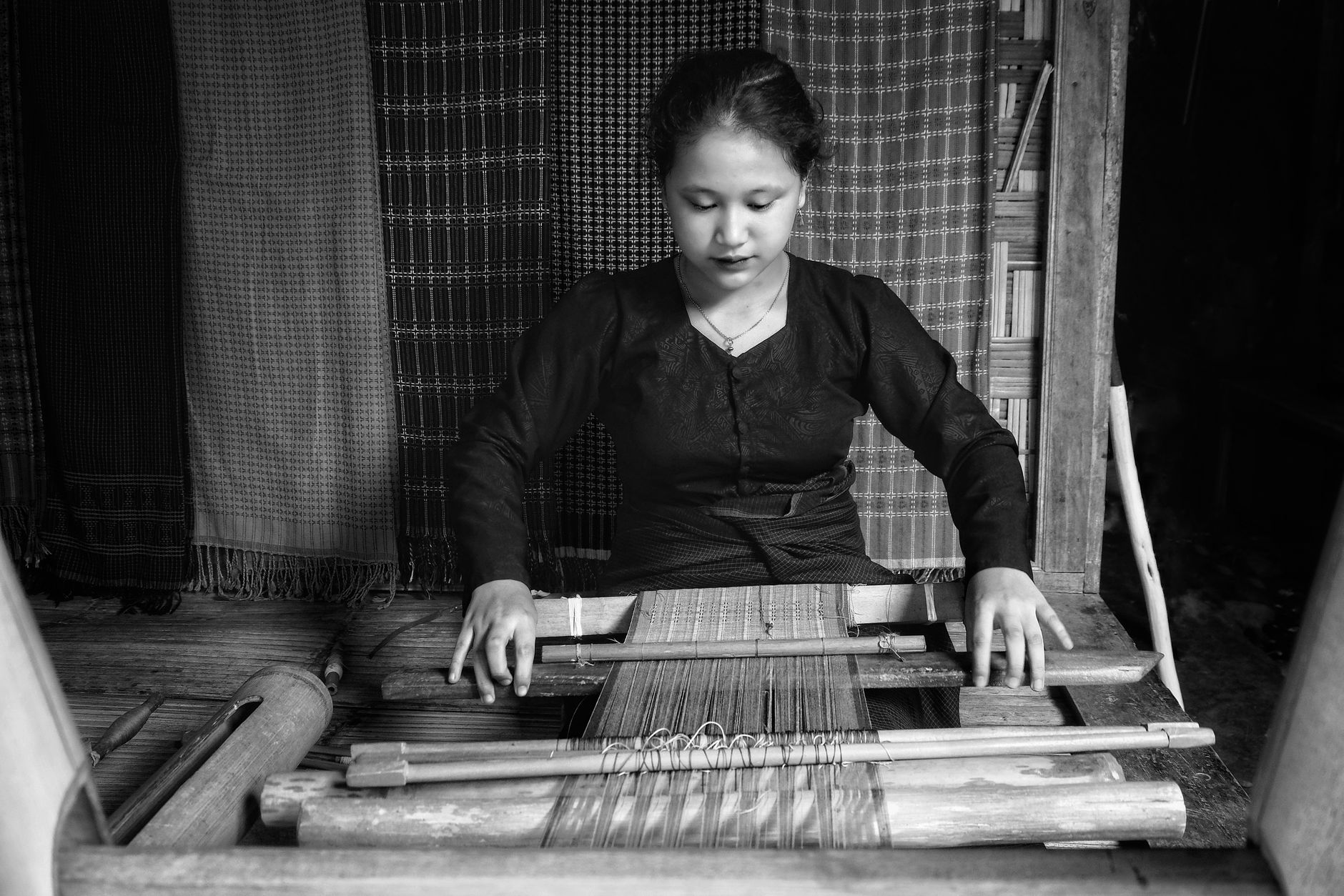
Despite these challenges, a spirit of resilience and adaptation has emerged within Iranian society. Many individuals and small businesses have found innovative ways to navigate the economic landscape, prioritizing local sourcing and developing domestic alternatives to previously imported goods. Community networks and informal support systems have become more crucial in providing assistance to those most affected. While the overall economic climate remains strained, these grassroots efforts highlight the ingenuity and determination of Iranians to maintain their livelihoods and support one another. The government's focus on self-sufficiency, while born out of necessity, has inadvertently spurred some local entrepreneurship and a greater appreciation for domestic production capabilities.
The long-term effects of sustained economic pressure are complex and may lead to shifts in social dynamics and public sentiment. As economic hardship persists, there is a risk of increased social discontent and emigration of skilled professionals seeking better opportunities abroad. However, the shared experience of enduring sanctions may also foster a stronger sense of national unity and collective resolve. The government's narrative often emphasizes resistance against foreign interference, which resonates with a segment of the population, while others express frustration with the economic realities. Understanding these varied perspectives is crucial to grasping the full human dimension of Iran's economic predicament.
How We Got Here
The re-imposition of sweeping sanctions by the Trump administration in 2018 marked a significant escalation in economic pressure on Iran, aiming to compel the country to renegotiate the terms of the Joint Comprehensive Plan of Action (JCPOA) and curtail its regional influence. These sanctions targeted key sectors of the Iranian economy, including oil exports, financial transactions, and access to international markets, effectively cutting off a substantial portion of the country's revenue streams. The stated objective was to cripple Iran's economy to the point where its leadership would be forced to alter its foreign policy and domestic behavior. This maximalist approach represented a stark departure from the Obama administration's strategy, which had sought a diplomatic resolution through the JCPOA.
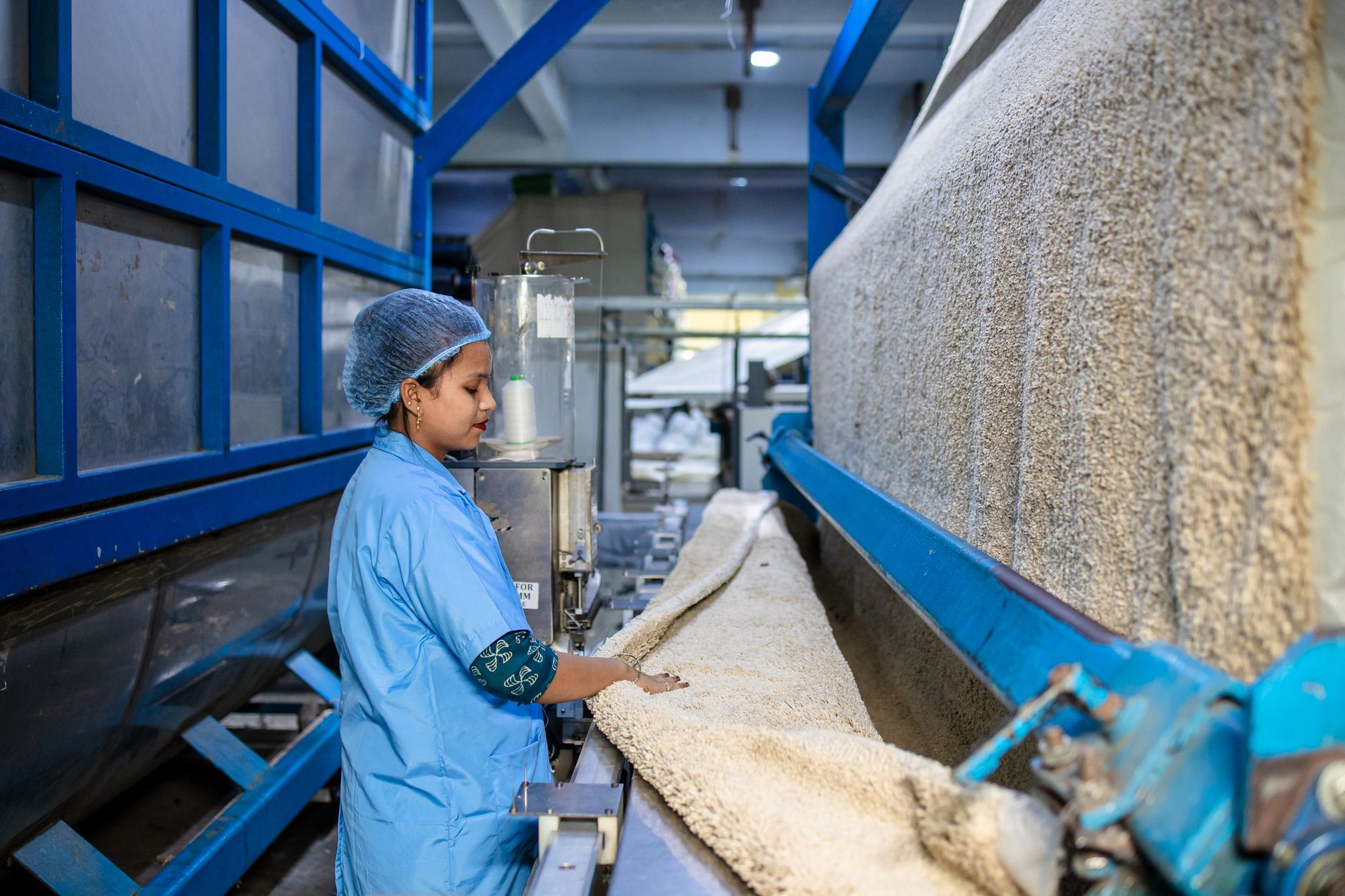
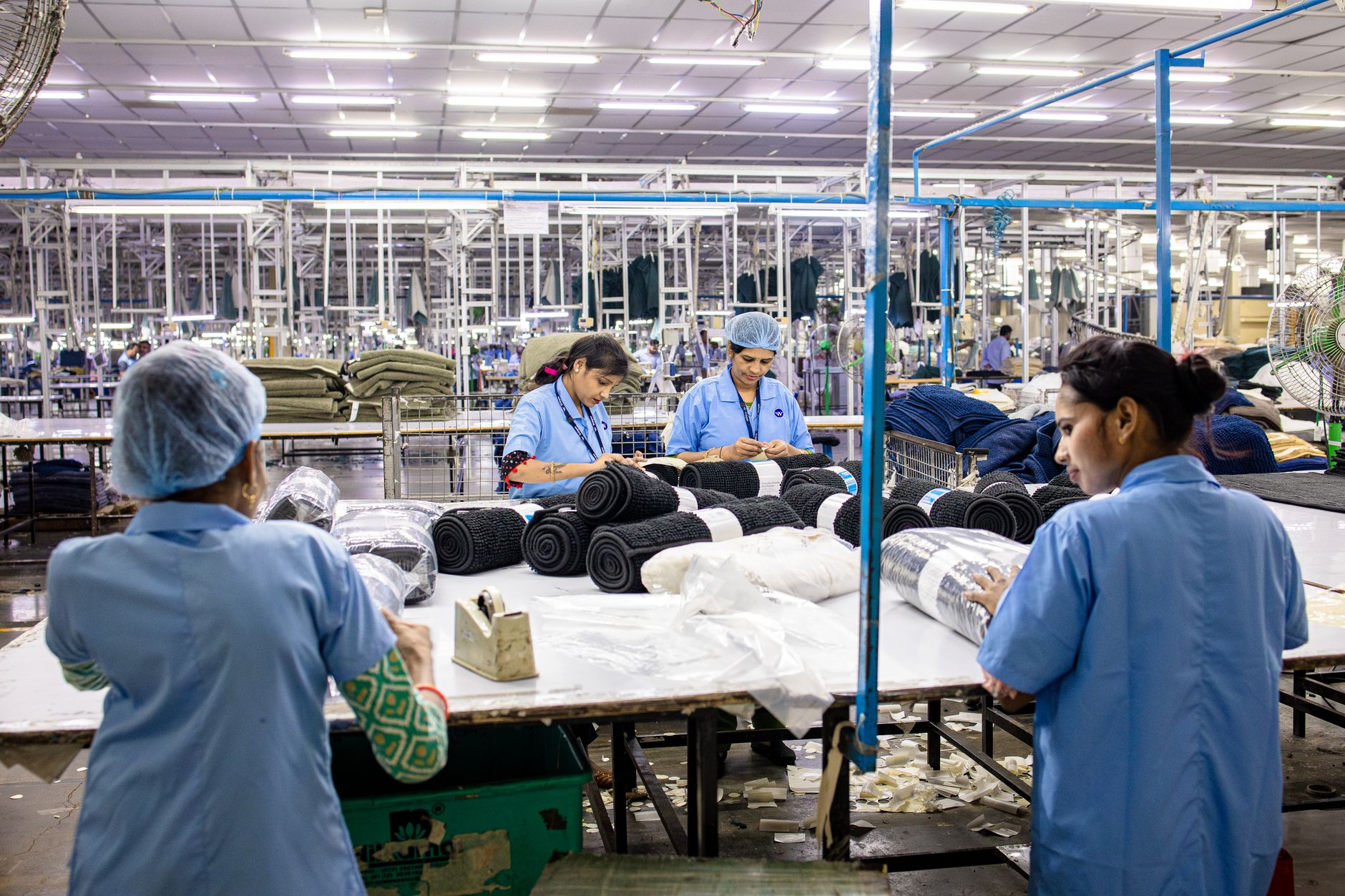
Iran's response to these intensified sanctions has been characterized by a strategy of 'resistance economy,' focusing on import substitution, domestic production, and the development of alternative financial mechanisms. The government has actively promoted policies aimed at reducing reliance on imports, encouraging local manufacturing, and bolstering the agricultural sector to ensure food security. Furthermore, efforts have been made to circumvent financial restrictions through the use of non-dollar currencies, barter trade, and the development of domestic digital currencies. This strategy, while challenging, has allowed Iran to maintain a baseline level of economic activity and avoid complete collapse, despite the severe external constraints.
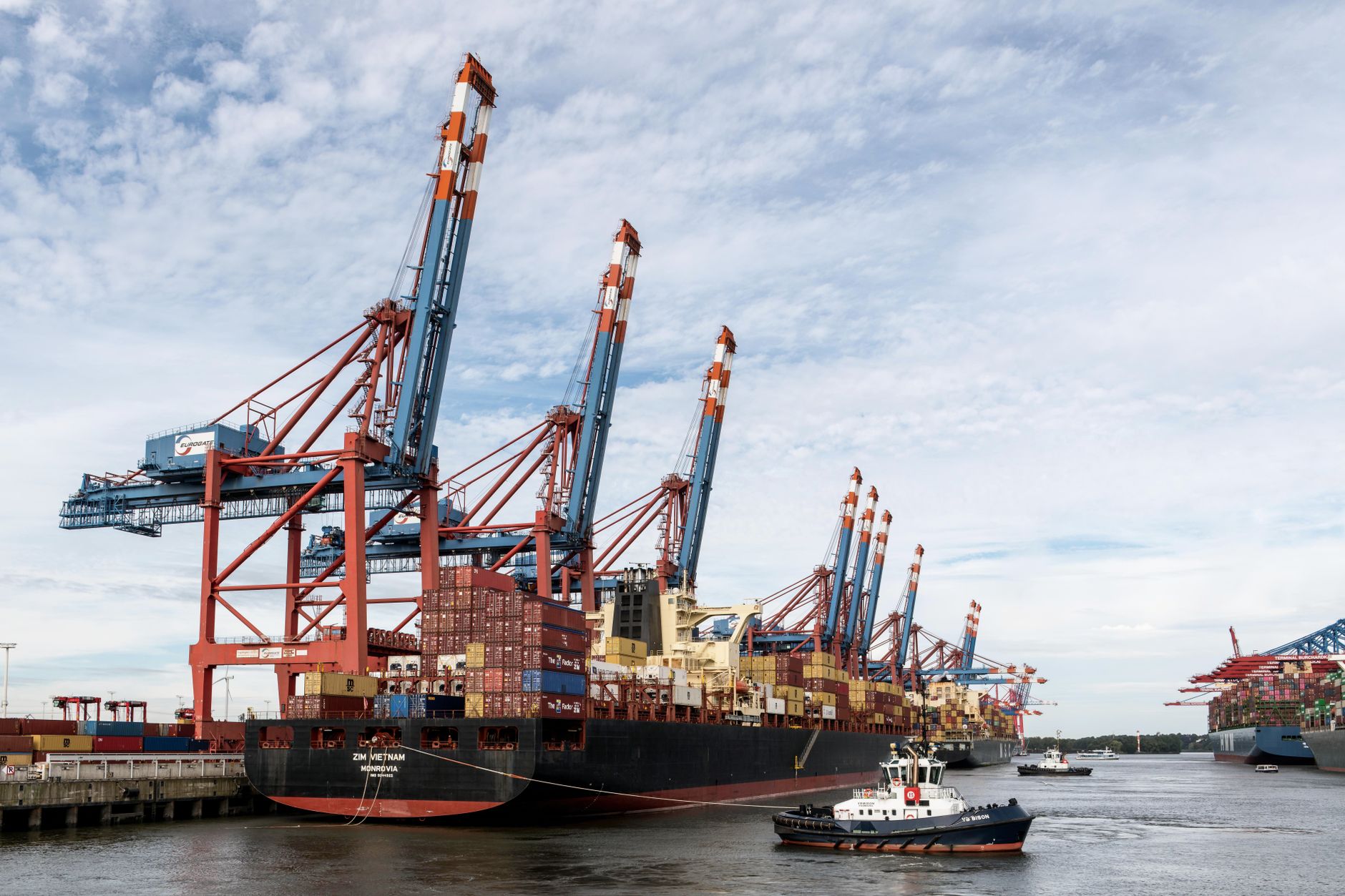
The international context surrounding these sanctions has also played a crucial role. While the United States exerted significant pressure on allies to comply with its sanctions regime, some countries, particularly those with strong economic ties to Iran or seeking to challenge U.S. dominance, have maintained or sought alternative trade relations. This has allowed Iran to continue exporting some of its oil and other commodities, albeit at reduced volumes and often through complex, opaque channels. The global energy market dynamics and the willingness of certain nations to absorb Iranian oil have provided a crucial, albeit limited, lifeline to the Iranian economy, preventing a complete shutdown of its primary export sector.
Why This Cannot Be Ignored
The resilience of Iran's economy under severe sanctions has significant geopolitical implications, demonstrating the limitations of economic statecraft as a tool for regime change or forced policy alteration. It suggests that nations facing intense external pressure can adapt and endure through a combination of domestic policy, strategic partnerships, and a willingness to absorb considerable economic pain. This outcome challenges conventional wisdom about the efficacy of sanctions and could embolden other nations to resist Western economic coercion, potentially leading to a more fragmented global economic order. The ability of Iran to maintain a functioning economy, even under duress, impacts regional power balances and the dynamics of international diplomacy.
Furthermore, the economic situation in Iran directly affects regional stability and global energy markets. Persistent economic hardship can fuel social unrest within Iran, potentially leading to unpredictable internal dynamics that could spill over into neighboring countries. Instability within a major oil-producing nation like Iran carries inherent risks for global energy security, influencing oil prices and supply chains. The ongoing sanctions also shape Iran's foreign policy decisions, its relationships with regional actors, and its engagement with international bodies, all of which have far-reaching consequences for global security and trade.
The economic strategies employed by Iran, such as deepening ties with non-Western powers and exploring alternative financial systems, represent a significant shift in global economic alignments. This diversification of partnerships, driven by the necessity of circumventing U.S.-led sanctions, contributes to the ongoing debate about de-dollarization and the potential fragmentation of the global financial system. Understanding Iran's economic survival is not merely an academic exercise; it provides a crucial case study in state resilience, the adaptability of economies under pressure, and the evolving landscape of international economic and political relations.
Possible Paths Forward
One potential path forward involves a de-escalation of tensions and a return to diplomatic engagement, potentially leading to the renegotiation or easing of sanctions. Such a scenario would likely require concessions from both sides, with Iran potentially agreeing to further limitations on its nuclear program or regional activities in exchange for economic relief. This could unlock Iran's oil exports, reintegrate its financial institutions into the global system, and spur economic recovery. However, deep-seated mistrust and differing strategic objectives make this path fraught with challenges, requiring significant political will and careful negotiation to overcome.
Another trajectory involves Iran continuing its current strategy of economic resilience and strategic diversification, further deepening ties with countries like China and Russia. This path would see Iran prioritize domestic production, explore alternative trade routes and payment mechanisms, and potentially develop its own indigenous technological capabilities to reduce reliance on external sources. While this approach allows Iran to maintain its sovereignty and resist external pressure, it also risks prolonged economic stagnation, isolation from major Western markets, and continued hardship for its population. The long-term sustainability of this strategy depends on its ability to generate sufficient growth and improve living standards.
A third possibility is a period of continued economic strain coupled with internal political shifts within Iran. Persistent economic hardship could exacerbate social discontent, potentially leading to increased protests or demands for reform. The government's response to such pressures, whether through repression or concessions, would significantly shape the country's future trajectory. Simultaneously, shifts in global politics, such as changes in U.S. foreign policy or evolving alliances, could alter the external environment, creating new opportunities or challenges for Iran's economic and political landscape.
Questions People Are Actually Asking
What to Watch
- Monitor any shifts in U.S. policy towards Iran, particularly concerning sanctions relief or renewed diplomatic overtures, as these could dramatically alter the economic landscape.
- Track Iran's success in developing and implementing alternative financial mechanisms and trade routes, especially with key partners like China and Russia, to circumvent global financial system restrictions.
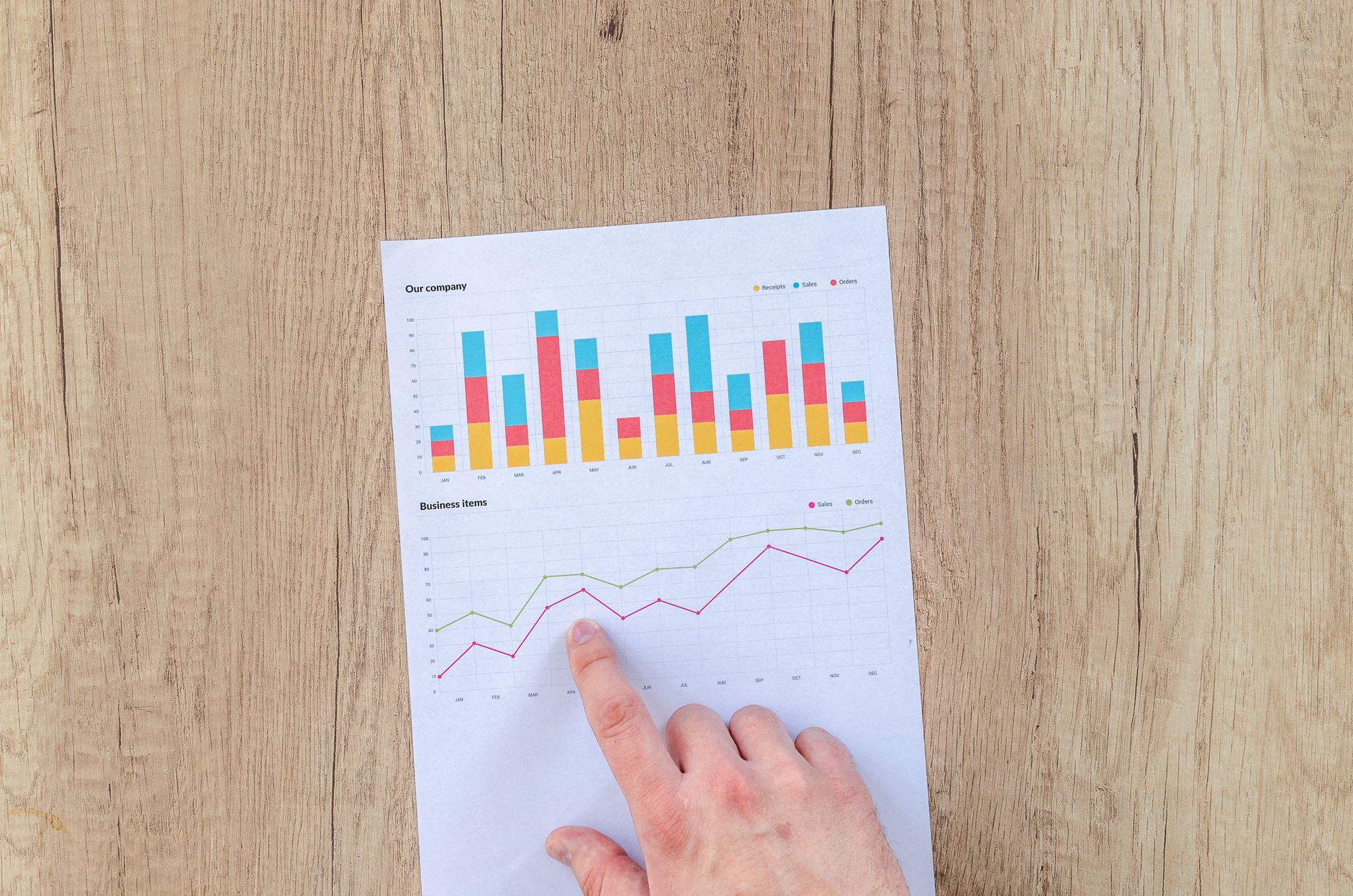
- Observe the internal economic performance indicators within Iran, including inflation rates, unemployment figures, and currency stability, to gauge the ongoing impact of sanctions and government policies.
- Assess the level of international compliance with U.S. sanctions, noting any instances of significant evasion or alternative trade arrangements that provide Iran with crucial economic support.
- Pay attention to social and political indicators within Iran, such as public sentiment, potential for unrest, and government responses, which can be influenced by sustained economic pressures.
- Evaluate the global energy market dynamics, as any significant disruption originating from Iran or shifts in global oil supply could have ripple effects impacting Iran's export potential and revenue.


Comments
No comments yet. Be the first to comment!