


Story in Brief
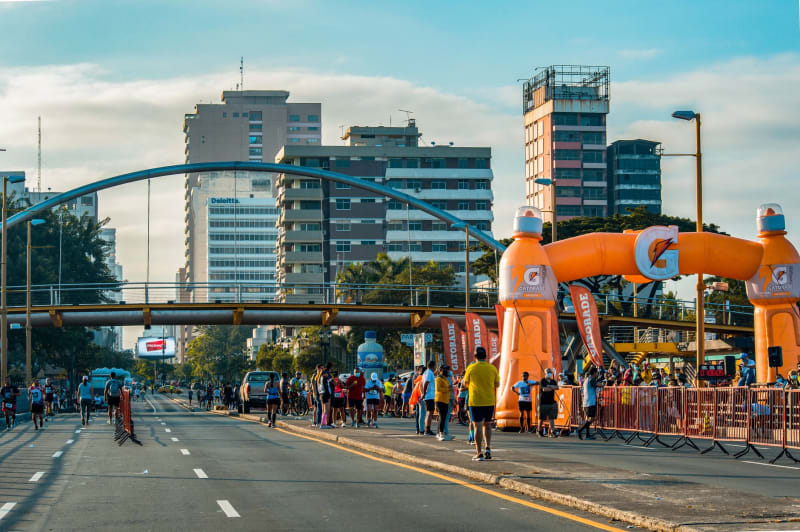
This weekend, Chicago's West Side transforms into a vibrant course for the highly anticipated annual half-marathon, drawing thousands of runners and spectators. The event promises a unique opportunity to experience the city's dynamic neighborhoods on foot, showcasing community spirit and athletic achievement. Beyond the athletic spectacle, the race serves as a significant logistical undertaking, requiring extensive planning and coordination with city officials to ensure the safety of participants and the smooth flow of traffic in surrounding areas. Preparations are well underway, with organizers working closely with local authorities to map out the precise route and identify all necessary street closures, aiming to minimize inconvenience while maximizing the event's success and positive impact on the community.
The West Side Half-Marathon is more than just a race; it's a community event that highlights the resilience and energy of Chicago's diverse neighborhoods. As participants navigate through historic streets and scenic parkways, the event fosters a sense of shared experience and local pride. Organizers have meticulously planned the course to offer a challenging yet rewarding run, incorporating iconic landmarks and lesser-known gems of the West Side. This careful curation ensures that both seasoned athletes and recreational runners will find the experience engaging and memorable. The economic benefits are also considerable, with local businesses anticipating increased foot traffic and revenue throughout the weekend.
However, the excitement surrounding the half-marathon comes with a critical caveat: significant traffic and transit disruptions are unavoidable. Residents and commuters in affected areas must prepare for widespread street closures that will be in effect for extended periods, beginning early Saturday morning and continuing through Sunday afternoon. Understanding the specific timing and locations of these closures is paramount for anyone planning to travel within or through the West Side. Public transportation routes may also be rerouted or suspended, necessitating alternative travel plans for many. Proactive awareness and adherence to official advisories will be key to navigating these temporary changes smoothly.
Key Takeaways
- The annual West Side Half-Marathon is scheduled to take place this weekend, impacting several Chicago neighborhoods with extensive road closures and potential transit delays.
- Specific street closures will be enforced from early Saturday morning through Sunday afternoon, requiring residents and commuters to plan alternative routes and travel times accordingly.
- Runners and spectators are encouraged to familiarize themselves with the official race route and closure map to avoid confusion and ensure a safe, enjoyable experience.
- Public transportation services, including bus routes and potentially some 'L' train stops, may experience detours or temporary suspensions during the event hours.
- Local businesses along the race route are expected to see increased activity, providing an economic boost to the West Side community during the marathon weekend.
- Authorities are urging the public to exercise patience and caution in the affected areas, emphasizing cooperation with law enforcement and event staff for a seamless operation.
What We Know
The West Side Half-Marathon is officially set to proceed this weekend, with the race commencing early Sunday morning. The event is expected to draw approximately 15,000 participants, ranging from elite athletes to recreational runners, all converging on Chicago's West Side. The designated course spans a significant portion of the area, weaving through neighborhoods such as Garfield Park, East Garfield Park, and Humboldt Park, before concluding near Douglass Park. Detailed route maps have been published by the organizers, clearly outlining the streets that will be fully or partially closed to vehicular traffic throughout the duration of the event.
Street closures will be implemented in phases, beginning as early as Saturday evening for setup and continuing until late Sunday afternoon to allow for thorough cleanup and the removal of all event infrastructure. Key arterial roads and numerous residential streets will be affected, necessitating significant detours for local traffic. Commuters planning to travel through these areas on both Saturday and Sunday should anticipate substantial delays and are strongly advised to seek alternative routes or postpone non-essential travel. Emergency vehicle access will be maintained, but response times may be impacted in the immediate vicinity of the race.
Chicago's Department of Transportation (CDOT) and the Chicago Police Department are collaborating closely with the race organizers to manage the logistical challenges. Public transportation services, particularly bus routes that traverse the affected areas, will be rerouted or suspended during specific hours. Riders are advised to check the CTA website for the most up-to-date information on service changes. Information regarding parking restrictions and designated spectator zones has also been disseminated to residents and businesses within the race corridor.
The Policy History
The tradition of large-scale running events in Chicago has a long and storied history, with the city frequently hosting marathons and half-marathons that attract national and international attention. The West Side Half-Marathon, specifically, has evolved over the past decade from a smaller community initiative into a major athletic event. Its establishment was part of a broader city strategy to promote public health, encourage physical activity, and showcase the diverse cultural and recreational assets of Chicago's various neighborhoods, including those on the West Side which have historically received less attention compared to downtown or the lakefront. The event's growth reflects a growing interest in urban running and a desire to activate public spaces for community engagement.
Over the years, the policy framework governing such events has become increasingly sophisticated, focusing on balancing public safety, economic benefits, and community impact. City ordinances and permitting processes have been refined to ensure that organizers meet stringent requirements for traffic management, security, waste disposal, and insurance. The current policy emphasizes a collaborative approach, requiring extensive consultation with multiple city departments, including Police, Transportation, Public Health, and Parks and Recreation. This ensures that all aspects of the event, from route planning to post-race cleanup, are managed responsibly and in accordance with city regulations and best practices for event management.
Furthermore, the city's approach to permitting large-scale events has also incorporated considerations for equitable distribution of opportunities and impacts across all neighborhoods. While major events have often been concentrated in central areas, there has been a deliberate policy push to bring significant events to underserved areas like the West Side. This aims to foster local economic development, provide recreational opportunities, and enhance the visibility of these communities. The West Side Half-Marathon exemplifies this policy shift, deliberately designed to highlight the unique character and potential of these neighborhoods while navigating the inherent challenges of hosting a large public gathering.
Ground Reality
For residents living directly on or near the race route, this weekend signifies a period of significant disruption. Many will find their streets completely blocked off, making it difficult to leave their homes by car for essential errands or appointments. Access to local businesses may also be severely limited, potentially impacting livelihoods and daily commerce. The noise from the event, while celebratory for some, can be a source of stress for others, particularly families with young children or elderly individuals who may prefer a quieter environment. Navigating these practical challenges requires careful planning, including stocking up on groceries in advance and confirming alternative transportation options.
Local businesses along the course face a mixed reality. While some establishments, particularly those catering to runners and spectators like cafes and sports apparel stores, anticipate a surge in customers, others that rely on regular commuter traffic or easy access for deliveries might experience a downturn. The extended closure periods mean that deliveries of goods and services could be delayed or impossible on race day, forcing businesses to adjust their schedules or find creative workarounds. The economic impact, therefore, is not uniformly positive and requires businesses to be adaptable and prepared for the unique circumstances the event creates.
Public transit users are also directly affected. Bus routes that normally serve the West Side will be significantly rerouted or suspended for much of the weekend. This means longer travel times, additional transfers, and potential overcrowding on unaffected lines. For individuals who rely on public transportation for work, medical appointments, or other critical needs, these disruptions can pose a considerable hardship. The CTA's efforts to provide information are crucial, but the reality on the ground for many transit riders will involve navigating a significantly altered service landscape.
Why It Matters
The West Side Half-Marathon serves as a powerful symbol of community engagement and the revitalization efforts underway in Chicago's historically underserved neighborhoods. By bringing a major event to this area, organizers and city officials aim to highlight the West Side's rich cultural heritage, its vibrant communities, and its potential for economic growth. The race route itself is designed to showcase local landmarks and encourage participants and spectators to explore areas they might not otherwise visit, fostering a deeper appreciation for the diversity and resilience of Chicago.
Beyond its symbolic value, the event has tangible economic implications for the West Side. Local businesses, from restaurants and cafes to retail shops, stand to benefit from the influx of thousands of runners, their families, and supporters. This economic boost can be particularly significant for small businesses that form the backbone of the community. Furthermore, the event provides employment opportunities for local residents, both in the planning and execution stages, and through increased demand for services during the race weekend, contributing to the overall economic well-being of the area.
However, the success of the event hinges on effective management of the inevitable disruptions. The extensive street closures and transit modifications require careful communication and planning to minimize negative impacts on residents and daily life. Addressing these logistical challenges transparently and efficiently is crucial for maintaining public goodwill and ensuring that the event is perceived as a net positive for the community. The way these disruptions are managed reflects the city's broader commitment to balancing the benefits of large-scale events with the needs and concerns of its residents.
Policy Questions Answered
Implementation Watch
The successful execution of the West Side Half-Marathon hinges on the meticulous implementation of traffic management plans and public communication strategies. City officials and event organizers must ensure that signage for detours is clear, visible, and deployed well in advance of closure points. Coordination between law enforcement, traffic control personnel, and volunteers is critical to guide both drivers and pedestrians effectively around the affected areas. Real-time updates via social media, traffic apps, and local news outlets will be essential for informing the public about evolving conditions throughout the weekend.
A key aspect of implementation involves managing public perception and addressing community concerns proactively. While the event aims to benefit the West Side, residents experiencing significant inconvenience require clear communication regarding the necessity of closures and the measures being taken to mitigate their impact. Establishing accessible channels for feedback and complaints, and responding promptly to issues that arise, will be crucial for fostering a positive relationship between the event, the city, and the local population. Post-event debriefings will also be vital for identifying lessons learned and improving future implementations.
Furthermore, the logistical implementation extends to ensuring the environmental sustainability of the event. This includes effective waste management and recycling programs along the course and at aid stations, minimizing the event's ecological footprint. Organizers are also expected to adhere to guidelines for noise levels and post-event site cleanup, ensuring that the parks and streets are returned to their normal state promptly and responsibly. The thoroughness of these implementation details directly influences the overall success and community acceptance of the half-marathon.


















Comments
No comments yet. Be the first to comment!