


At a Glance
- Recent outbreaks of Avian Influenza A(H5N1) have been confirmed in poultry populations across several states in India and districts in Bangladesh, raising significant public health concerns and economic anxieties.
- The H5N1 virus, known for its high pathogenicity, poses a dual threat: devastating poultry industries through mass culling and carrying the potential for zoonotic transmission to humans, with severe health consequences.
- Surveillance efforts have intensified dramatically in affected regions, with rapid response teams deployed for immediate culling operations and stringent containment measures to prevent further, uncontrolled spread of the virus.
- Authorities are urgently urging strict biosecurity protocols for all poultry farms, from commercial operations to backyard flocks, and advising the public to avoid contact with sick or dead birds, ensuring proper cooking of all poultry products.
- International health organizations are closely monitoring the evolving situation, providing crucial technical assistance and coordinating regional responses to mitigate the widespread risk of a larger epidemic across the subcontinent.
- Economic repercussions are already being acutely felt by local farmers, with culling leading to substantial financial losses and market disruptions that severely impact the livelihoods of countless families in rural communities.
The Record
The history of Avian Influenza A(H5N1) in South Asia is marked by sporadic but profoundly significant outbreaks, with the first major human case reported in the region over a decade ago. Since then, the virus has demonstrated its alarming persistence, continually evolving and recirculating within bird populations, particularly migratory waterfowl that act as natural reservoirs. These recurrent episodes highlight the endemic nature of H5N1 in certain geographical pockets, posing continuous, complex challenges for public health authorities and the agricultural sector alike. Each outbreak serves as a stark reminder of the delicate balance between human activity, animal health, and environmental factors, underscoring the urgent need for robust, long-term surveillance and control strategies that transcend national borders.
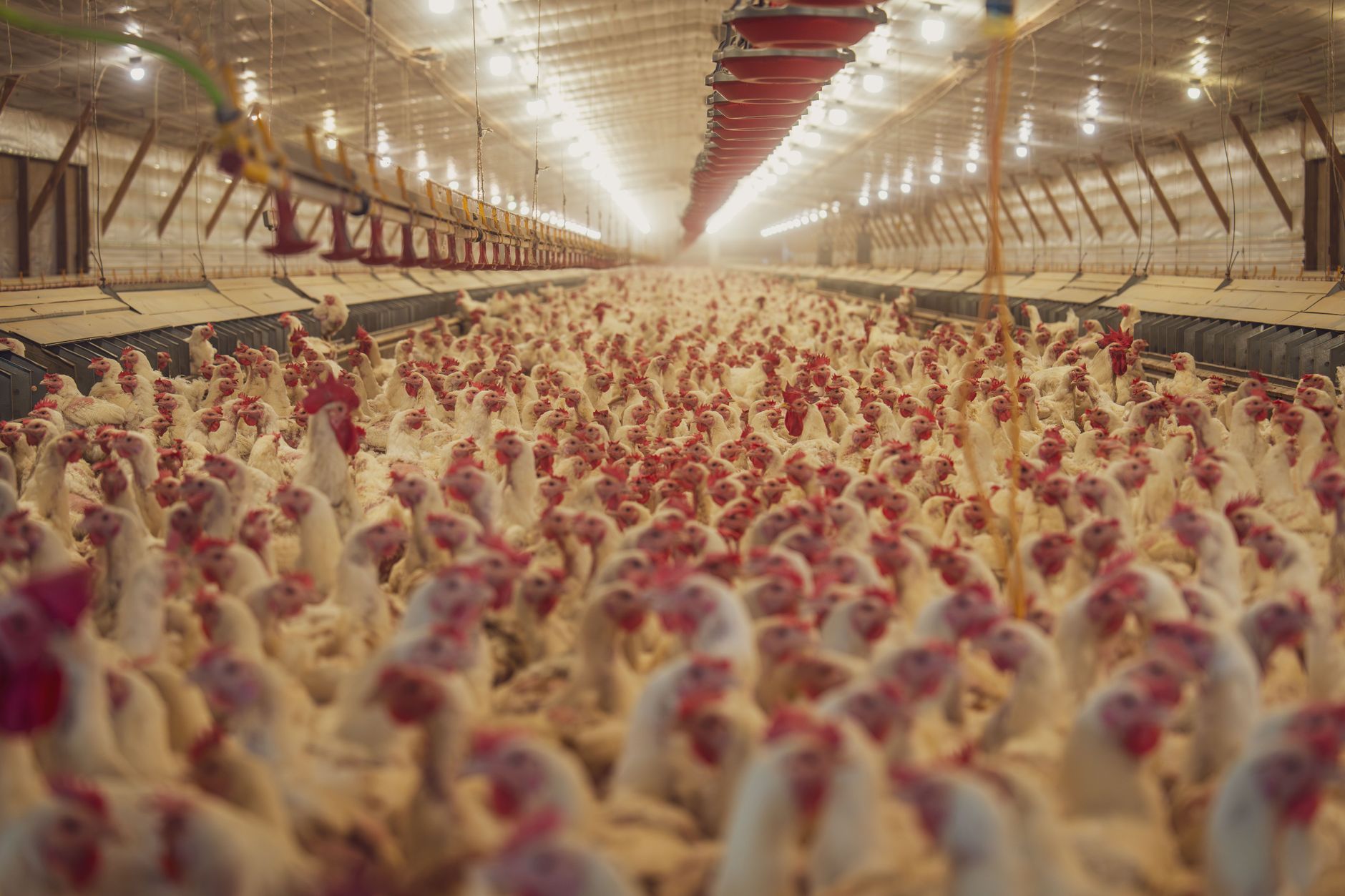
In India, specific states like Maharashtra, Jharkhand, and Andhra Pradesh have reported confirmed cases in recent weeks, leading to immediate, large-scale culling operations involving thousands of birds. Bangladesh has also seen a concerning resurgence, with districts bordering India and those in the central region reporting new clusters of infection. These incidents are not isolated; they represent a predictable pattern of seasonal outbreaks often exacerbated by factors such as intensive poultry farming practices, inadequate biosecurity measures, and the unregulated movement of live birds. The economic impact on small and medium-sized poultry farms is frequently devastating, pushing many to the brink of financial ruin and threatening food security in already vulnerable affected areas.
The current wave of H5N1 detections underscores the critical and immediate need for enhanced cross-border collaboration between India and Bangladesh. Given the shared ecological landscape and frequent movement of people and goods across their common border, a truly coordinated regional response is paramount to containing the virus effectively. This imperative includes harmonized surveillance protocols, rapid and transparent information sharing, and joint efforts in vaccine development and distribution for poultry. Without such integrated and proactive strategies, the virus will inevitably continue to exploit geographical and administrative boundaries, posing an ongoing and escalating threat to both animal and human health across the entire subcontinent. The lessons from past epidemics must urgently inform a more proactive and unified approach to prevent future catastrophes.
Who Knew and When
Early warning systems, including routine surveillance of poultry farms and wild bird populations, have proven instrumental in the timely detection of the recent H5N1 outbreaks. Veterinary departments in both India and Bangladesh typically receive initial alerts from vigilant local farmers or through passive surveillance of unusual bird mortality events reported in various communities. Once suspicious cases are identified, samples are meticulously collected and swiftly dispatched to national reference laboratories for confirmatory testing. This initial phase of detection is absolutely critical, as it triggers the immediate implementation of emergency response protocols, including quarantines and widespread culling, designed to contain the spread before it escalates into a wider regional crisis. The speed and efficiency of this initial response directly impacts the overall efficacy of containment efforts.
Reports from local media outlets and official government statements indicate that the first confirmed cases in the current wave emerged in late January and early February in specific, high-risk districts. For instance, in India, initial alerts came from poultry farms experiencing unusually high mortality rates, which were then swiftly investigated by dedicated state animal husbandry departments. Similarly, in Bangladesh, village veterinarians and local health workers played a crucial, frontline role in flagging early signs of illness among backyard poultry flocks, demonstrating community vigilance. This grassroots vigilance, combined with institutionalized surveillance frameworks, forms the fragile backbone of the region's early detection capabilities, though significant challenges in remote areas persist due to limited resources and inadequate infrastructure.
Despite these commendable efforts, there are frequently concerning delays in public communication and comprehensive data sharing, which can severely hinder a truly coordinated regional response. While national authorities are typically informed promptly, the dissemination of detailed epidemiological data to the public and across international borders can sometimes be agonizingly slow. This lack of transparency, whether due to bureaucratic hurdles, a desire to avoid panic, or concerns over economic impact, can create dangerous information vacuums that impede effective risk communication and critical public health interventions. Improving the speed, scope, and consistency of information sharing is a critical area for immediate improvement to genuinely enhance regional preparedness and response to future, inevitable outbreaks.
Voices from the Ground
For farmers in affected regions, the avian influenza outbreak is far more than just a public health crisis; it represents an existential threat to their very livelihoods. Many small-scale poultry farmers, who often operate on razor-thin margins, face complete financial ruin when their entire flock is subjected to culling. 'We put everything into these birds, our savings, our hopes for the future,' shared Rahman, a distraught farmer from a village near Dhaka. 'When they come to cull, it feels like they are taking away our future, piece by piece. The compensation is never enough to even begin to start over, especially with the rising costs of feed and chicks.' This profound sentiment of despair is echoed across the border in India, where farmers express deep frustration over inadequate government support and the immense psychological toll of watching their life's work systematically destroyed. The emotional impact of these events is profound, often leading to despair, anxiety, and deep uncertainty about their ability to recover.
Beyond the immediate financial losses, entire communities grapple with the broader, devastating economic ripple effects. Local markets that depend heavily on poultry products experience a sharp and immediate decline in business, affecting countless vendors, transporters, and feed suppliers. 'Our entire village economy revolves around poultry farming,' explained Sunita Devi, a market vendor in Jharkhand, her voice heavy with worry. 'When the farms shut down, there's literally no business for anyone. People are scared to buy chicken, even from unaffected areas, because of the constant news. It's not just the farmers; everyone in the supply chain suffers immensely.' The pervasive fear of contagion also leads to social stigma, with some communities avoiding those directly involved in poultry farming, further isolating affected families and exacerbating their already profound distress.
Public health advisories, while undeniably crucial for guiding behavior, often inadvertently create widespread anxiety and confusion among the general population, particularly in remote rural areas where access to accurate, consistent information is severely limited. 'We hear so many conflicting rumors every day,' said a local school teacher in West Bengal, expressing a common frustration. 'One day they say don't eat chicken at all, the next day they say it's perfectly safe if cooked well. It's incredibly hard to know what to believe, and people just get scared and confused.' This highlights the critical and urgent need for clear, consistent, and culturally appropriate communication strategies that directly address local concerns, debunk pervasive misinformation effectively, and build public trust. Without trust in official information, communities are far more vulnerable to panic and significantly less likely to adhere to essential preventive measures, jeopardizing public health efforts.
The Debate
The ongoing debate surrounding avian influenza control strategies often centers on the fundamental efficacy and ethical implications of mass culling versus widespread vaccination programs. Proponents of culling argue vehemently that it is the most immediate, decisive, and effective way to halt viral transmission, especially for highly pathogenic strains like H5N1, thereby preventing wider geographical spread and potential zoonotic leaps to humans. They emphasize that rapid, targeted culling, coupled with stringent biosecurity, minimizes the viral load in the environment and provides the strongest protection for human health. However, critics highlight the immense economic and social costs of culling, arguing that it devastates livelihoods and often leads to widespread underreporting by farmers fearful of losing their entire flocks without adequate or timely compensation. This tension between immediate public health imperatives and profound socio-economic realities remains a central, unresolved point of contention in policy discussions across the region.
Another significant and complex point of contention revolves around the precise role and practicality of vaccination in poultry populations. While some experts advocate for widespread vaccination to build herd immunity and significantly reduce viral shedding, others express serious concerns about the potential for vaccinated birds to become asymptomatic carriers, making surveillance far more challenging and potentially allowing the virus to evolve undetected within vaccinated flocks. The immense cost and logistical challenges of vaccinating millions of birds in diverse farming systems across vast, often remote regions are also considerable, presenting a formidable barrier. Furthermore, the effectiveness of vaccines against rapidly mutating influenza strains is a constant scientific challenge, requiring continuous research and development to keep pace with viral evolution. The ongoing debate underscores the inherent complexity of choosing the most sustainable, ethical, and effective long-term strategy for disease management.
The discussion also extends critically to the adequacy of cross-border collaboration and regional preparedness mechanisms. Critics argue forcefully that despite repeated, devastating outbreaks, a truly harmonized, proactive, and robust regional strategy involving both India and Bangladesh remains frustratingly elusive. They point to persistent gaps in real-time data sharing, inconsistent biosecurity standards across borders, and insufficient joint training exercises as major, systemic weaknesses that the virus readily exploits. Conversely, government officials often highlight existing bilateral agreements and ongoing technical cooperation, emphasizing the formidable challenges inherent in coordinating responses across large, densely populated regions with diverse administrative structures and resource constraints. Bridging this critical gap between perceived and actual cooperation is absolutely crucial for strengthening the region's collective resilience against future pandemics and ensuring a more unified front.

Your Questions Answered
What Accountability Looks Like
Accountability in managing avian influenza outbreaks rests primarily and heavily with national and state-level animal husbandry and public health departments. This encompasses ensuring timely detection, rapid and decisive response, and the effective implementation of containment strategies such as culling and stringent biosecurity protocols. Crucially, it also extends to providing adequate, fair, and prompt compensation to affected farmers, ensuring that the economic burden of essential public health measures does not disproportionately fall on already vulnerable communities. Transparent reporting of cases, clear resource allocation, and honest assessment of the efficacy of interventions are absolutely essential for building public trust and demonstrating responsible governance. Without clear metrics, public oversight, and consistent enforcement, the recurring cycle of outbreaks and reactive measures will persist, severely undermining long-term disease control efforts and public confidence.
International organizations like the World Health Organization (WHO) and the Food and Agriculture Organization (FAO) also play a vital, albeit indirect, role in holding nations accountable through rigorous monitoring, providing expert technical assistance, and setting global health standards. Their assessments frequently highlight areas where national responses fall critically short, such as persistent gaps in surveillance infrastructure, inadequate laboratory capacity, or insufficient cross-border coordination. However, the ultimate responsibility for implementing recommendations and adhering to international health regulations lies squarely with sovereign states. The overall effectiveness of global health security hinges significantly on each nation's unwavering commitment to these standards and their willingness to be transparent about both challenges and progress in their disease control efforts, fostering a truly collaborative global response.
Moving forward, accountability must fundamentally encompass a stronger, proactive emphasis on prevention rather than solely reactive containment. This means making substantial, sustained investments in robust, year-round surveillance systems that can detect threats early, supporting cutting-edge research into more effective vaccines and diagnostics, and implementing sustainable, enforceable biosecurity practices across the entire poultry industry spectrum. Furthermore, fostering significantly greater regional cooperation between India and Bangladesh, with clear, actionable mechanisms for joint planning, resource sharing, and coordinated response, is paramount. Holding leaders accountable for these long-term investments and collaborative frameworks is absolutely essential to mitigate the recurring, devastating threat of H5N1 and safeguard both animal and human health across the entire subcontinent. The future demands a profound shift from mere crisis management to strategic foresight and proactive resilience.

















Comments
No comments yet. Be the first to comment!