

What We Know
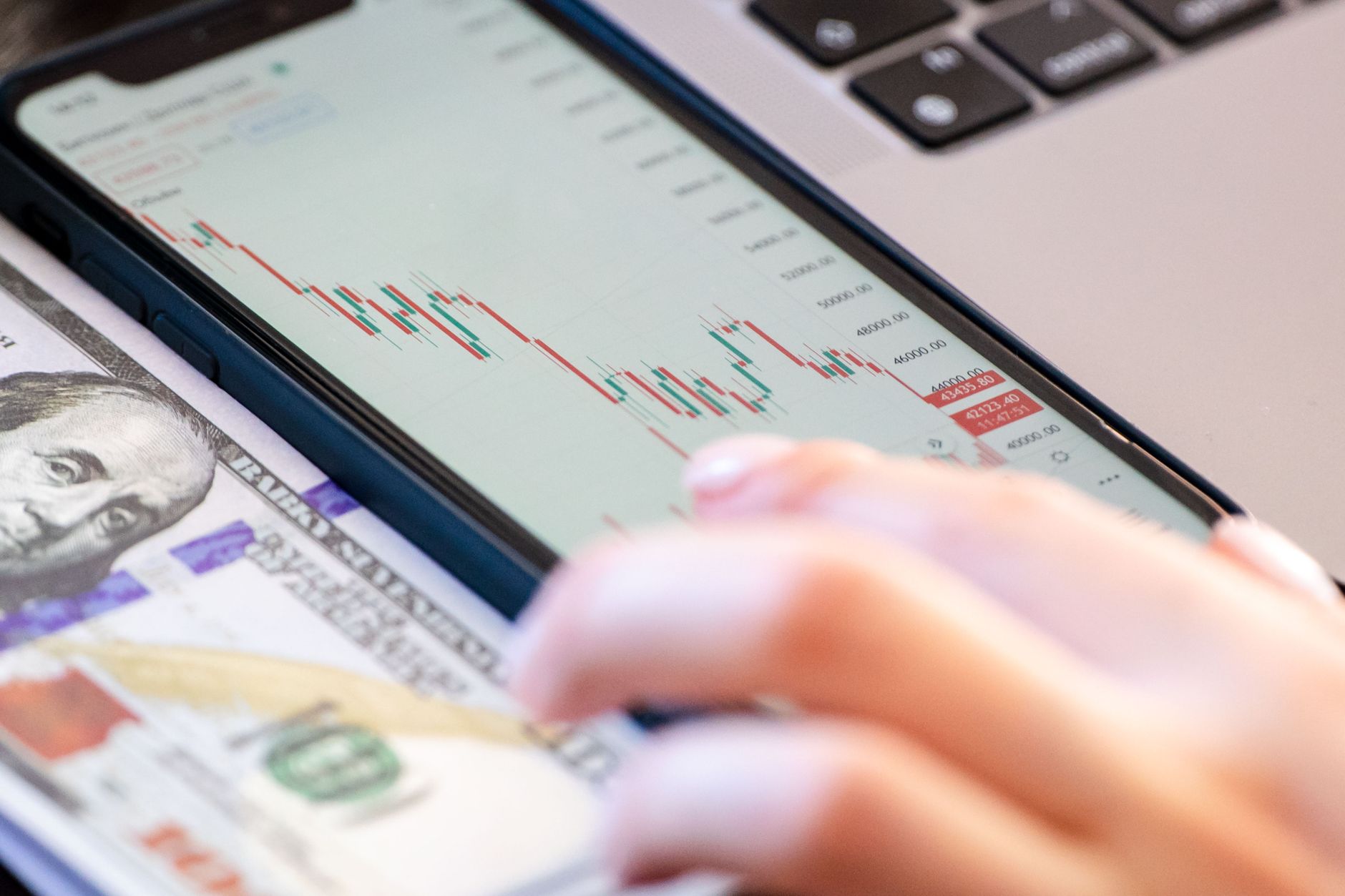
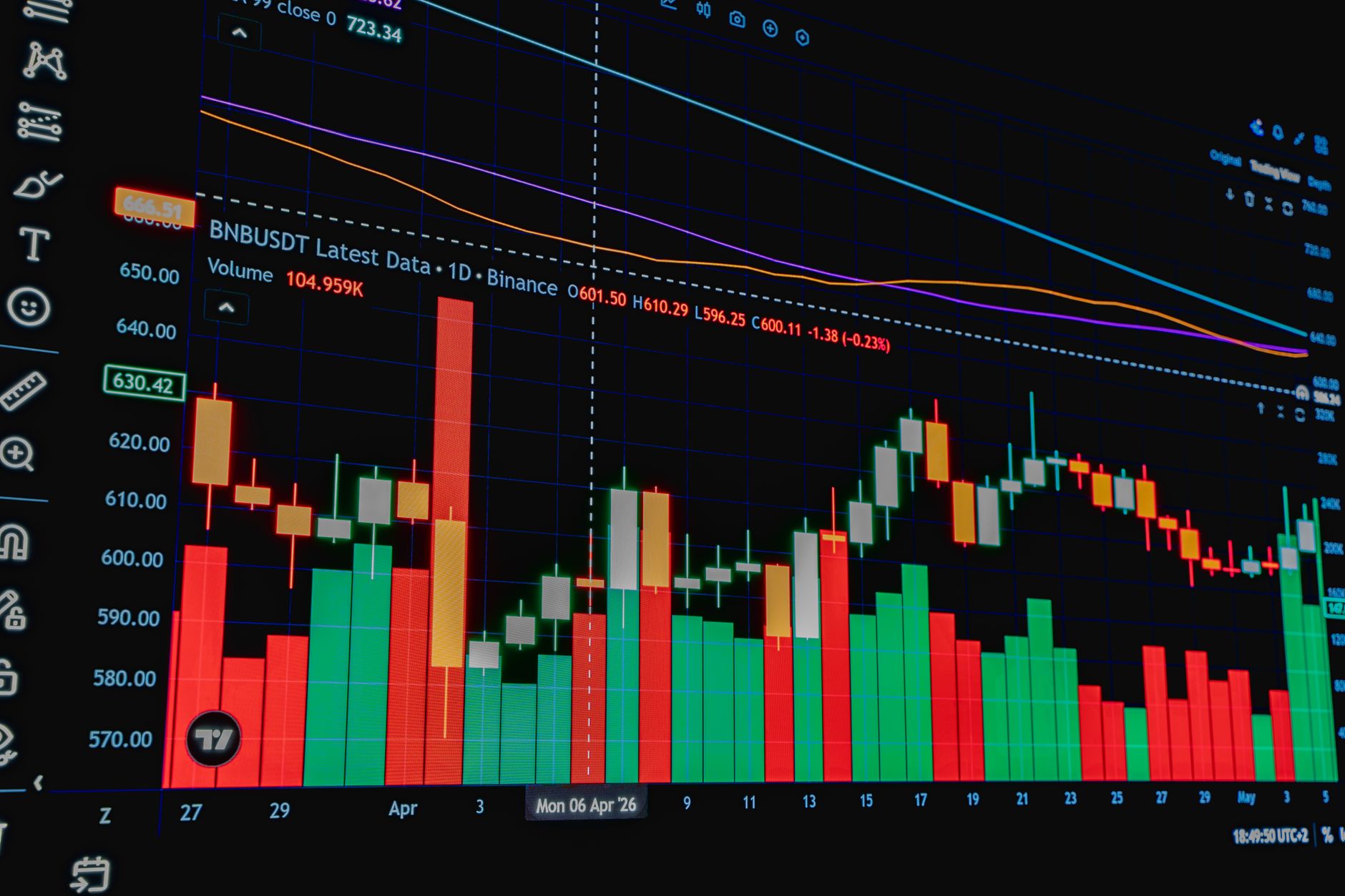
- The Dow Jones Industrial Average experienced a precipitous decline, reflecting broad investor apprehension and signaling a significant shift in market sentiment following recent geopolitical developments.
- The S&P 500, a crucial benchmark for the broader market, also recorded substantial losses, indicating a widespread retreat from equities across diverse sectors.
- The technology-heavy Nasdaq Composite suffered a notable downturn, highlighting how even growth-oriented stocks are vulnerable to sudden shifts in global risk perception and political instability.
- This widespread market selloff is directly attributable to President Trump's recent, assertive threats directed towards Iran, which have dramatically escalated geopolitical tensions in a volatile region.
- Investors are rapidly shifting away from riskier assets, opting instead for traditional safe havens such as gold and government bonds, underscoring a prevailing fear of future market instability.
- The immediate consequence has been a significant erosion of market capitalization across all major US indices, impacting retirement funds and investment portfolios nationwide.
What We Do Not Know Yet
- The precise long-term economic ramifications of this geopolitical escalation remain largely unknown, making it difficult for analysts to project sustained market trends beyond immediate volatility.
- The specific nature and timing of any potential retaliatory actions or diplomatic responses from Iran are currently unclear, adding a layer of unpredictable risk to the global political landscape.
- How major international markets, particularly those in Asia and Europe, will react to these developments in their upcoming trading sessions is a critical unknown that could amplify or mitigate current losses.
- Whether the United States administration will proceed with further economic sanctions or military posturing against Iran is a pivotal question that could dictate the trajectory of future tensions.
- The duration of the current pervasive risk-off sentiment among global investors is highly uncertain, with potential for either rapid recovery or a prolonged period of cautious trading.
- The possibility of de-escalation talks or diplomatic interventions to defuse the heightened tensions remains an open question, offering a glimmer of hope amidst the current climate of uncertainty.
Background
Tensions between the United States and Iran have been a persistent and escalating concern on the global stage for several months, characterized by a series of provocative actions and counter-actions. The recent rhetoric emanating from the White House, particularly President Trump's direct and forceful threats against Iran, has dramatically intensified this long-standing friction. This latest development has pushed an already strained relationship to a critical juncture, directly translating into heightened anxiety across international financial markets and among geopolitical observers.
Historically, geopolitical flashpoints have frequently served as catalysts for significant market disruptions, yet the immediate and severe reaction witnessed today underscores the unique fragility of the current global economic and political environment. The directness of the presidential threat, coupled with the potential for military confrontation in a strategically vital region, has triggered an unprecedented level of investor apprehension. This situation differs from past market jitters, as the perceived risk of a broader conflict appears more palpable and immediate, prompting a rapid flight to safety.
The roots of this renewed escalation can be traced back to the US withdrawal from the Joint Comprehensive Plan of Action (JCPOA), commonly known as the Iran nuclear deal, and the subsequent re-imposition of stringent sanctions. Iran's responses, including breaches of uranium enrichment limits, have further exacerbated the situation. This complex interplay of policy decisions, diplomatic failures, and escalating rhetoric has created a precarious environment, where a single misstep or aggressive statement can send shockwaves through global financial systems, as evidenced by today's dramatic market performance.
Why It Matters
The stability of global financial markets is not merely an abstract economic indicator; it forms the bedrock of investor confidence, directly influencing economic growth and individual prosperity. A protracted period of market uncertainty and widespread selloffs can have far-reaching and detrimental consequences. It can erode the value of retirement savings, deter crucial corporate investments essential for job creation, and dampen consumer spending, which is a primary driver of economic activity. The cascading effects of such instability can permeate every layer of the economy, from large multinational corporations to small businesses and individual households.
Beyond the immediate financial losses, the specter of a major geopolitical conflict, particularly one involving a significant oil-producing region like the Middle East, carries profound global implications. Such a conflict could inevitably lead to sharp spikes in oil prices, disrupting supply chains and increasing operational costs for industries worldwide. Furthermore, it could jeopardize critical international trade routes, impacting global commerce and potentially triggering inflationary pressures. The intricate web of international relations means that a localized conflict can quickly expand into a global crisis, affecting alliances, diplomatic efforts, and humanitarian concerns.
For ordinary citizens, the implications are tangible and immediate. Fluctuations in stock markets directly impact pension funds, 401(k)s, and other investment vehicles that form the backbone of future financial security. A significant market downturn can delay retirement plans, reduce available capital for major life purchases, and create a pervasive sense of economic insecurity. Therefore, understanding and monitoring these geopolitical developments is paramount, as they directly translate into the health of personal finances and the broader economic outlook for nations across the globe. The current situation demands vigilant attention from both policymakers and the public.
Timeline of Events
- Early Morning (GMT): Initial reports surface detailing President Trump's increasingly aggressive and explicit statements concerning potential actions against Iran, immediately sending jitters through pre-market trading.
- Mid-Morning (EST): Futures markets across the US begin to exhibit significant weakness, with major indices pointing towards a sharply negative open as investors digest the implications of heightened geopolitical risk.
- Market Open (EST): All major US indices, including the Dow Jones Industrial Average, S&P 500, and Nasdaq Composite, open substantially lower, confirming the widespread investor panic and risk-off sentiment.
- Throughout the Trading Day: Persistent and intense selling pressure dominates the market, affecting nearly all sectors as institutional and retail investors liquidate positions in response to the escalating uncertainty.
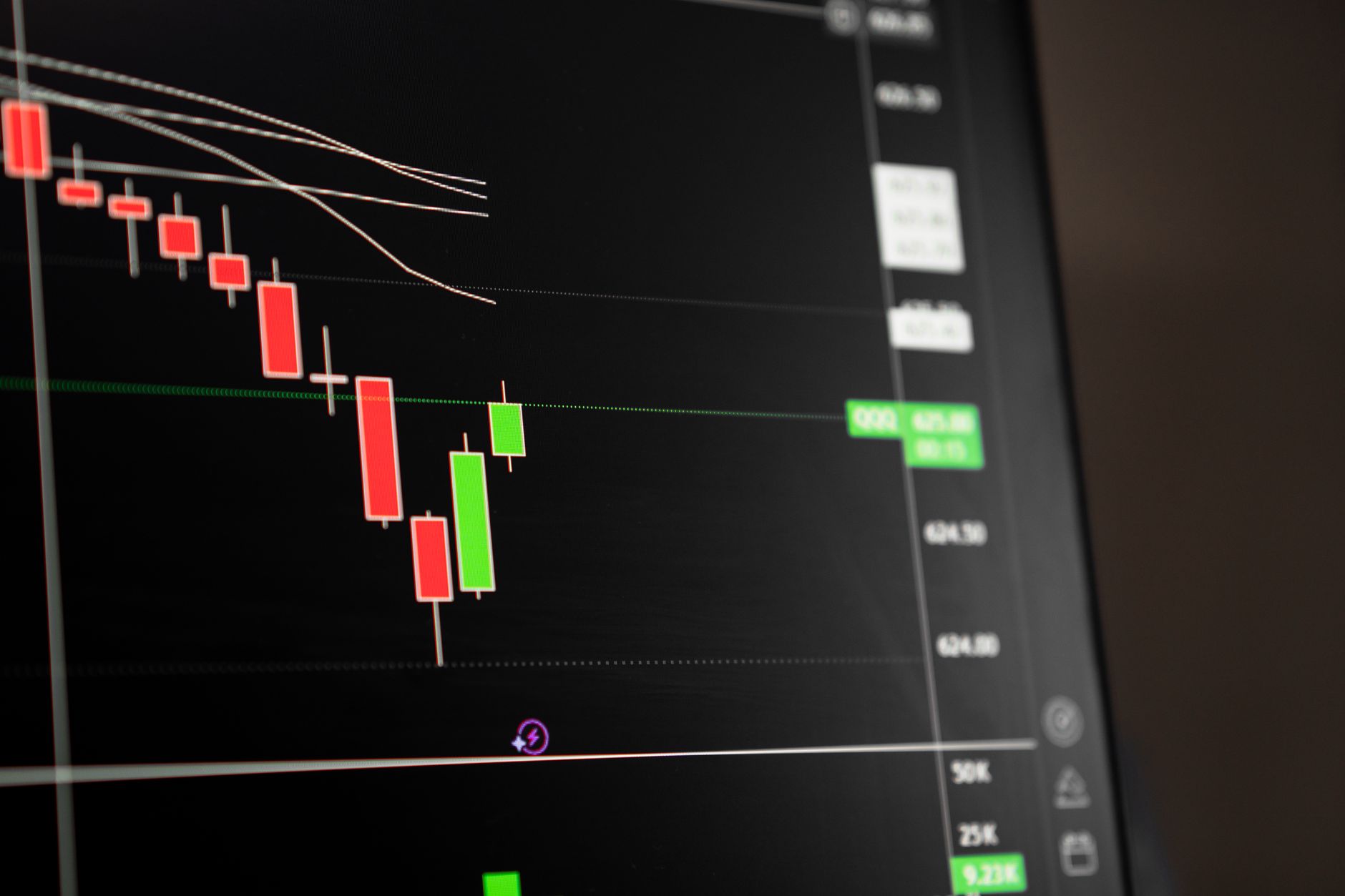
- Late Afternoon (EST): The Dow Jones, S&P 500, and Nasdaq conclude the trading day with substantial losses, marking one of the most significant single-day declines in recent memory driven by geopolitical factors.
- Evening (EST): Financial analysts and geopolitical experts begin an intensive assessment of the day's events, attempting to forecast potential future market movements and the broader implications for international stability.

Rapid-Fire Q&A
What Is Coming
- Expect continued and potentially heightened market volatility in the immediate future, as investors remain highly sensitive to any new developments or statements regarding US-Iran relations.
- There will be an intensified global focus on geopolitical developments in the Middle East, with international bodies and world leaders closely monitoring the situation for signs of escalation or de-escalation.
- Governments and central banks may consider implementing emergency policy responses or issuing statements aimed at stabilizing markets and reassuring investors, should the situation deteriorate further.
- Financial analysts and economic forecasters are likely to revise their projections for global economic growth and corporate earnings, factoring in the increased geopolitical risk and market uncertainty.
- Investors will continue to seek refuge in traditional safe-haven assets, such as gold, the Japanese Yen, and highly-rated government bonds, driving their prices higher amidst the prevailing risk-off sentiment.
- Media scrutiny on US-Iran relations will reach unprecedented levels, with continuous updates and expert commentary shaping public perception and influencing investor behavior in real-time.









Comments
No comments yet. Be the first to comment!