

Policy Snapshot
- The Federal Reserve recently announced a more aggressive stance on interest rate hikes, signaling a robust commitment to combating persistent inflation and re-anchoring price stability expectations.
- This unexpectedly hawkish shift surprised many market participants, who had largely anticipated a more gradual and cautious approach to monetary tightening throughout the year.
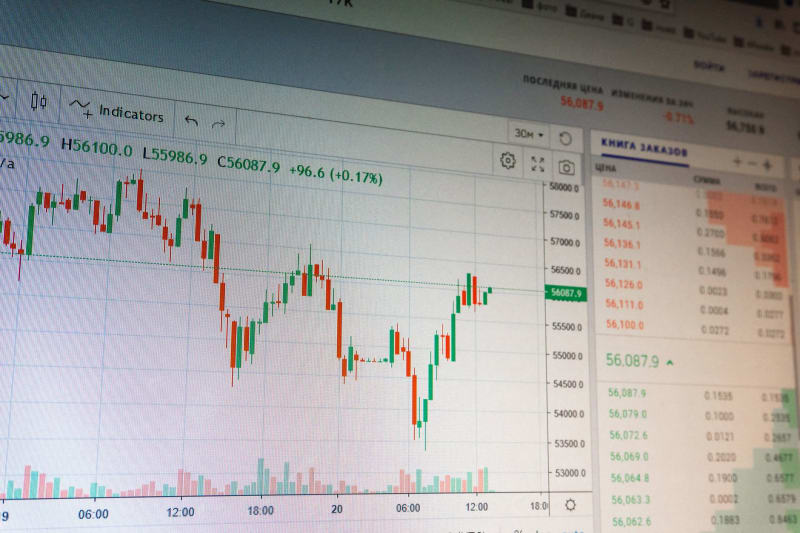
- The immediate market reaction included a significant selloff across global equities, particularly impacting growth and technology sectors which are sensitive to higher discount rates.
- Bond yields surged dramatically across the curve as investors rapidly recalibrated their expectations for future interest rates and the trajectory of economic growth.
- Analysts are now closely watching upcoming economic data, especially inflation reports and critical employment figures, to gauge the Fed's subsequent moves and policy adjustments.
- Central bank communications continue to emphasize data dependency, suggesting that further policy adjustments, either tightening or loosening, are highly probable based on evolving conditions.
- The dollar strengthened considerably against major currencies, reflecting the widening interest rate differentials and a flight to safety amid global economic uncertainty.
- Commodity markets also experienced significant volatility, with some prices retreating on fears of slowing global demand, while others remained elevated due to supply constraints.
The Policy History
For years, the Federal Reserve maintained an extraordinarily accommodative monetary policy, characterized by near-zero interest rates and extensive quantitative easing. This approach was largely a strategic response to the 2008 financial crisis and the subsequent slow economic recovery, aiming to stimulate growth and maximize employment. The unprecedented challenges of the pandemic further solidified this stance, with emergency measures implemented to stabilize financial markets and support the economy through widespread shutdowns. This prolonged era of cheap money significantly fueled asset price inflation and encouraged heightened risk-taking across various investment classes.
As the economy began to recover robustly in late 2020 and throughout 2021, driven by substantial fiscal stimulus and the rapid rollout of vaccines, significant inflationary pressures started to emerge. Initially, the Fed characterized these pressures as 'transitory,' attributing them primarily to temporary supply chain disruptions and surging demand. However, as inflation proved far more persistent and broad-based than anticipated, reaching multi-decade highs, the central bank faced increasing public and political pressure to pivot. The shift from a 'transitory' narrative to an urgent recognition of inflation's enduring threat marked a pivotal turning point in its communication and policy outlook.
The recent announcement represents a decisive break from the ultra-loose monetary policies of the past decade. It underscores a renewed, aggressive focus on restoring price stability, even at the potential cost of slower economic growth or increased market volatility. This sharp pivot has profound implications for investors, businesses, and consumers alike, as the cost of borrowing rises significantly and the availability of easy credit diminishes. Understanding this critical historical context is absolutely crucial for interpreting the current turbulent market dynamics and anticipating future economic trends with greater clarity.
Who Is Affected
The immediate impact of the Fed's hawkish shift reverberates widely, affecting nearly every segment of the global economy. Investors, particularly those heavily invested in growth stocks and technology companies, have seen significant portfolio value erosion as higher interest rates diminish the present value of future earnings. Bondholders have also experienced substantial losses as yields rise, pushing bond prices down. This comprehensive re-pricing of assets creates an exceptionally challenging environment for wealth managers and individual investors alike, necessitating a rapid re-evaluation of investment strategies and risk tolerance.
Businesses, especially those reliant on debt financing for expansion, innovation, or day-to-day operations, now face considerably higher borrowing costs, which can stifle investment and hiring initiatives. Startups and highly leveraged companies are particularly vulnerable, as access to affordable capital becomes severely constrained. Consumers will also feel the direct pinch through increased mortgage rates, higher costs for auto loans, and more expensive credit card debt. This tightening of financial conditions is explicitly designed to cool demand and curb inflation, but it inevitably translates into a higher cost of living and doing business for everyone.
Furthermore, the global economy is far from immune to these domestic policy changes. A stronger dollar, often a direct consequence of rising U.S. interest rates, can make imports cheaper for American consumers but simultaneously makes U.S. exports more expensive for other countries. Emerging markets, frequently burdened with substantial dollar-denominated debt, face significantly increased repayment costs and potential capital outflows, raising acute risks of financial instability in those regions. The ripple effects of the Fed's policy are truly global, impacting trade balances, currency valuations, and international investment flows with far-reaching consequences.
The Case For
Proponents of the Federal Reserve's aggressive stance argue that decisive action is absolutely paramount to anchor inflation expectations and prevent a more severe, prolonged economic downturn in the long run. Allowing inflation to become deeply entrenched would inevitably erode purchasing power, destabilize financial markets, and ultimately lead to a much deeper recession with lasting damage. By acting swiftly and forcefully now, the Fed aims to restore crucial price stability, which is a fundamental cornerstone of sustainable economic growth. The immediate pain inflicted by these measures is seen as a necessary evil to avoid far greater suffering later.
Moreover, a strong and independent central bank that credibly prioritizes its dual mandate of maximum employment and price stability gains immense credibility by demonstrating its unwavering commitment to its objectives. Delaying action would only force the Fed to implement even more drastic and disruptive measures down the line, potentially leading to a much harsher 'hard landing' for the economy. The current proactive approach, while undeniably disruptive in the short term, is viewed as a strategic measure to guide the economy towards a more stable and predictable future, fostering long-term confidence among businesses and consumers alike.
Many economists also point to the surprisingly robust labor market as a key enabling factor, allowing the Fed to tighten policy without immediately triggering a recession. With unemployment rates near historic lows and strong wage growth evident in many sectors, the economy appears resilient enough to absorb the impact of higher interest rates. This underlying economic strength provides a critical window of opportunity for the Fed to address inflation aggressively before it becomes a deeply structural problem, ensuring that the recovery remains on solid footing once price stability is re-established. The prevailing argument is that the economy can indeed handle this necessary, albeit challenging, adjustment period.
The Case Against
Critics contend that the Federal Reserve's overly aggressive tightening could prematurely stifle economic growth and potentially trigger an unnecessary recession, thereby undoing much of the progress made in the post-pandemic recovery. They argue that a significant portion of current inflationary pressures are fundamentally supply-side driven, stemming from geopolitical conflicts, lingering supply chain disruptions, and commodity shocks, which monetary policy alone cannot effectively resolve. Raising interest rates too rapidly risks crushing aggregate demand and vital investment, leading to widespread job losses and a significant economic slowdown without fully resolving the root causes of inflation.
There is also considerable concern that the Fed might be overreacting to temporary factors or relying too heavily on lagging indicators, potentially leading to significant policy errors. The economy operates with considerable lags, meaning the full impact of current interest rate hikes won't be truly felt for several months. By the time these cumulative effects fully materialize, the economic landscape might have shifted considerably, making the current hawkish stance potentially counterproductive. This approach could lead to an unnecessary and severe economic contraction, punishing businesses and households already struggling with high prices and pervasive economic uncertainty.
Furthermore, some economists argue that the Fed's actions disproportionately harm vulnerable populations and small businesses, who often have less access to capital and are far more sensitive to rising borrowing costs. The risk of a 'policy-induced recession' is a significant and alarming concern, where the central bank's well-intentioned efforts to control inflation inadvertently tip the entire economy into a severe downturn. This could exacerbate existing wealth inequality and potentially create social unrest, questioning the equity and overall effectiveness of such a blunt policy instrument in a complex and nuanced economic environment. The potential human cost of such an aggressive policy must be carefully considered and weighed against its intended benefits.

Policy Questions Answered
Implementation Watch
Monitoring the Federal Reserve's policy implementation will be absolutely crucial in the coming months, as the central bank navigates an increasingly complex and uncertain economic landscape. Investors and analysts will be scrutinizing every public statement from Fed officials, looking for even subtle clues about the precise pace and magnitude of future interest rate hikes. The release of key economic data, particularly the Consumer Price Index (CPI), Producer Price Index (PPI), and comprehensive employment reports, will heavily influence market expectations and the Fed's decision-making process. Any significant deviation from expected inflation trends could trigger immediate and substantial market reactions.
Beyond explicit interest rate adjustments, the Fed's balance sheet reduction, commonly known as quantitative tightening, will also play a pivotal and often underestimated role. The gradual unwinding of its massive bond holdings will further drain liquidity from the financial system, adding another layer of tightening to overall monetary conditions. The speed and scale of this process will need careful observation, as it could have profound implications for bond yields, credit markets, and overall market stability. The interplay between direct rate hikes and balance sheet reduction creates a powerful dual tightening mechanism that demands close and continuous attention from all market participants.
Furthermore, the market's interpretation of the Fed's 'dot plot' – the summary of economic projections by individual Federal Open Market Committee (FOMC) members – will be key to understanding the anticipated terminal rate and the projected duration of the entire tightening cycle. Any significant shifts in these forward-looking projections could signal a fundamental change in the Fed's long-term strategy and outlook. Businesses and consumers should prudently prepare for a sustained period of higher interest rates and potentially tighter credit conditions, making meticulous financial planning more important than ever. The coming quarters will undoubtedly be a critical test of the Fed's resolve and the economy's underlying resilience.















Comments
No comments yet. Be the first to comment!