
At a Glance
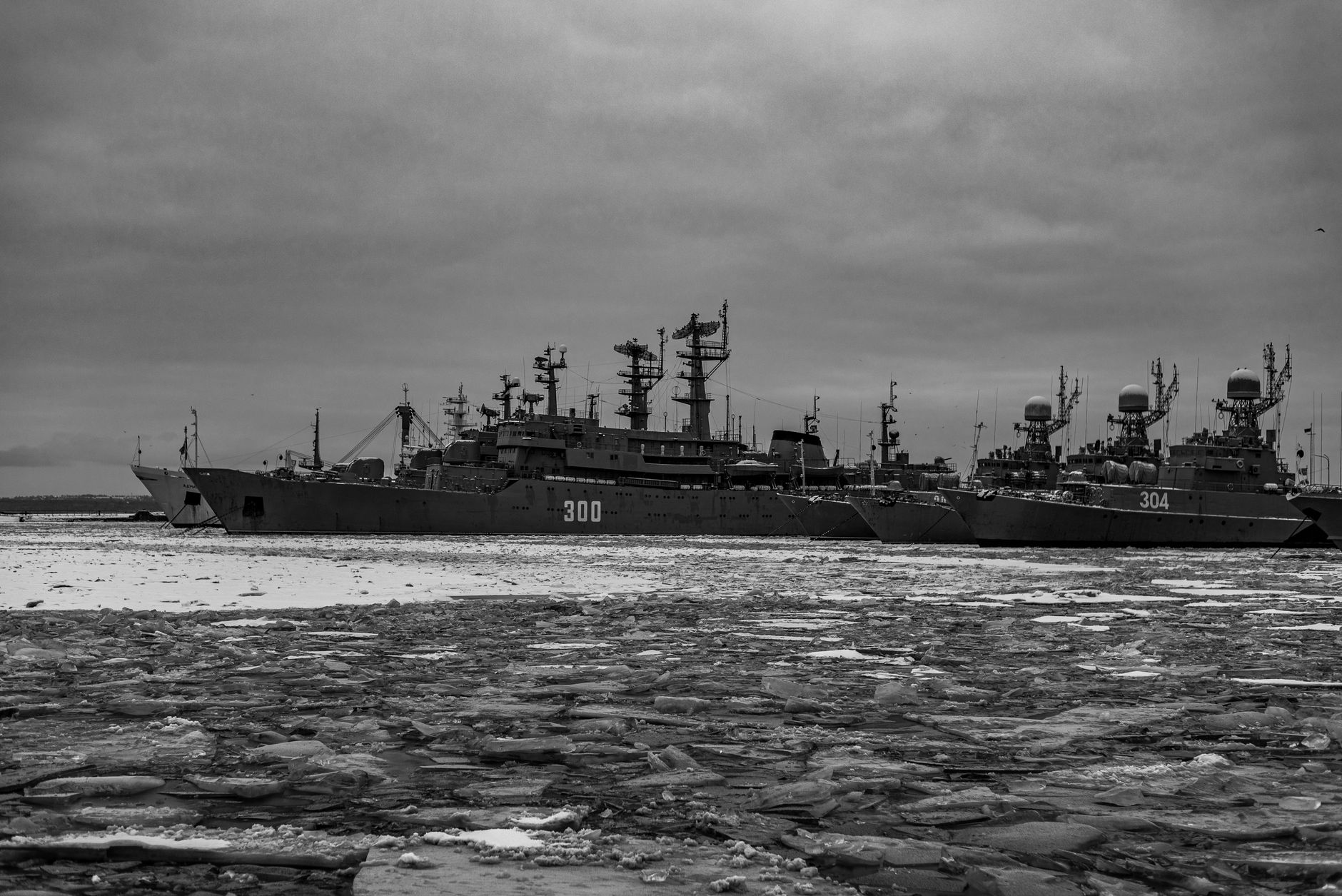
- New military strikes have been reported in the Middle East, significantly escalating regional tensions and threatening to unravel delicate diplomatic efforts aimed at establishing a lasting ceasefire between warring factions.
- These recent aggressions directly jeopardize an emerging ceasefire deal that had shown promising signs of progress, raising fears that months of negotiations could now be completely undermined by renewed hostilities.
- Former U.S. President Donald Trump issued a stern public warning to both Israel and Iran, urging them not to "blow it" and to exercise extreme caution to prevent the conflict from spiraling into a much broader regional conflagration.
- The international community has reacted with widespread alarm, with numerous global leaders and organizations calling for immediate de-escalation and a return to the negotiating table to prevent further catastrophic loss of life and destabilization.
- Experts are closely monitoring the situation, highlighting the extreme fragility of the current geopolitical landscape and warning that even minor miscalculations could trigger widespread and unpredictable consequences across the entire Middle East.
- The potential collapse of the ceasefire agreement could lead to a severe humanitarian crisis, exacerbating existing challenges for millions of civilians already suffering from prolonged conflict, displacement, and economic hardship in the affected areas.
The Record
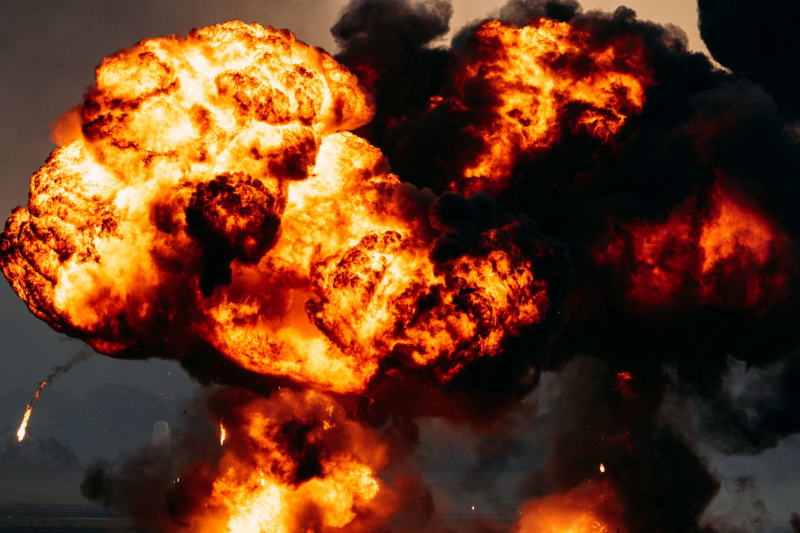
The recent wave of strikes has dramatically heightened anxieties across the Middle East, casting a long shadow over an already precarious region. Reports indicate targeted aerial attacks and retaliatory actions, with specific details emerging from various sources, often conflicting. These operations have been described by some as precision strikes, while others condemn them as reckless provocations. The immediate aftermath has seen a surge in rhetoric from all sides, signaling a dangerous departure from the cautious optimism that had begun to build around the prospects of a lasting peace. The sheer audacity and timing of these actions suggest a deliberate attempt to alter the strategic calculus, potentially derailing any significant progress made towards de-escalation.
Prior to these latest hostilities, diplomatic channels had been actively engaged in crafting a comprehensive ceasefire agreement. Key stakeholders, including regional powers and international mediators, were reportedly nearing consensus on critical terms such as prisoner exchanges, humanitarian aid corridors, and mechanisms for monitoring compliance. These negotiations, often conducted behind closed doors, represented a painstaking effort to bridge deep-seated animosities and find common ground. The emerging deal was viewed by many as the most viable pathway to ending the current cycle of violence, offering a glimmer of hope for stability after years of conflict. The sudden re-escalation now places this painstakingly constructed framework in extreme jeopardy, threatening to unravel months of dedicated diplomatic work.
The implications of these strikes extend far beyond the immediate targets. They threaten to ignite a broader regional conflict, drawing in additional actors and exacerbating existing proxy tensions. The delicate balance of power, which diplomatic efforts sought to stabilize, is now severely tested. Any further escalation could lead to an unpredictable chain reaction, with potentially devastating consequences for global energy markets, international trade routes, and the lives of millions of civilians. The international community's capacity to mediate and enforce peace is also under intense scrutiny, as the window for a diplomatic resolution appears to be rapidly closing amidst the renewed clamor of conflict.
Who Knew and When
Intelligence agencies across the globe were reportedly tracking heightened activity in the region leading up to the recent strikes, though the precise timing and scale of the attacks may have surprised some. Satellite imagery, intercepted communications, and human intelligence sources had indicated a buildup of military assets and increased readiness levels among various factions. However, the specific intent behind these movements remained a subject of intense debate within intelligence circles, with some analysts predicting a localized skirmish while others feared a more widespread offensive. This intelligence mosaic painted a picture of extreme volatility, where any spark could ignite a larger conflagration, making the diplomatic efforts to secure a ceasefire even more critical and fragile.
Despite the clear indicators of escalating tensions, questions are now being raised about the effectiveness of diplomatic warnings and preventative measures. While numerous public and private appeals for restraint were made by international bodies and individual nations, these appear to have been insufficient in deterring the latest actions. The failure to prevent these strikes, particularly given the advanced intelligence, highlights a significant gap in de-escalation strategies or a deliberate disregard for international appeals by the parties involved. This situation underscores the immense challenge of imposing external will on deeply entrenched regional conflicts, where internal dynamics often override external pressures and diplomatic overtures.
The timeline of events suggests a rapid deterioration of the security situation following a period of relative calm, or at least subdued conflict. Reports indicate that key decision-makers were briefed on potential scenarios, ranging from targeted retaliations to broader military engagements. However, the exact moment the decision was made to launch these strikes, and by whom, remains shrouded in the fog of war. Understanding the precise sequence of events and the intelligence assessments that informed them is crucial for comprehending the motivations behind the escalation and for identifying potential pathways to re-establish a dialogue. This transparency is vital for any future efforts to hold actors accountable and to prevent similar destabilizing actions from occurring.
Voices from the Ground
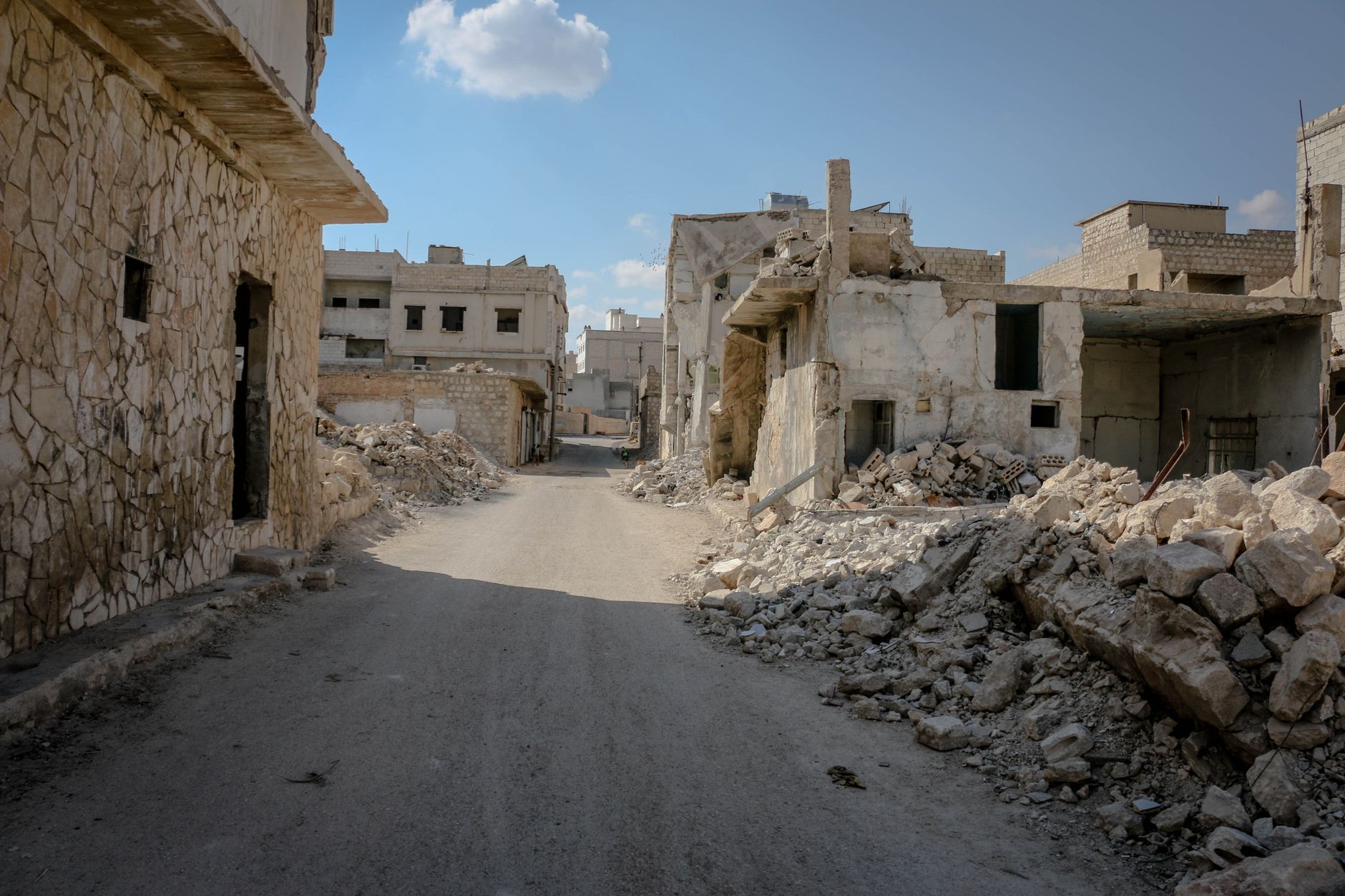
For the millions of civilians living in the affected areas, the renewed strikes represent a terrifying return to the brink, shattering any fragile sense of security that had begun to emerge with talks of a ceasefire. Families who had started to contemplate returning home or rebuilding their lives are now gripped by fear, once again facing the grim reality of displacement, violence, and uncertainty. Humanitarian organizations on the ground report a significant increase in distress calls, with people seeking shelter, medical aid, and basic necessities. The psychological toll of living under constant threat of bombardment is immense, leaving deep scars on communities already ravaged by years of conflict and instability.
Local community leaders and aid workers are issuing desperate pleas for an immediate cessation of hostilities, emphasizing that the human cost of this escalation is simply unbearable. They describe scenes of chaos and despair, with infrastructure further damaged and access to essential services severely hampered. "We had a glimmer of hope, a fragile promise of peace," stated a prominent activist from a besieged city, "but now, that hope is being bombed away. The world must act decisively before it's too late for us all." These voices from the ground underscore the profound impact of political decisions made far away, directly affecting the daily struggle for survival for countless innocent individuals caught in the crossfire.
The international community's response, while vocal in its condemnation, is perceived by many affected populations as insufficient to alter the grim reality on the ground. There's a growing sentiment of abandonment, a feeling that their suffering is merely a footnote in larger geopolitical games. Many question the efficacy of diplomatic efforts if they cannot prevent such blatant disregard for human life and international law. The lack of tangible protection or immediate relief fuels cynicism and despair, making the task of rebuilding trust and fostering reconciliation even more challenging in the long term. These communities desperately need more than just words; they need concrete action to ensure their safety and future.
The Debate
The recent strikes have ignited a fierce international debate regarding the principles of self-defense, proportionality, and the legality of preemptive actions in a highly volatile region. Proponents of the strikes often cite national security imperatives, arguing that the actions were necessary to neutralize immediate threats or deter future aggressions from opposing forces. They emphasize the sovereign right of nations to protect their borders and citizens, particularly when faced with what they perceive as existential dangers. This perspective often highlights specific intelligence about imminent attacks or the need to restore a perceived balance of power that had been disrupted by previous provocations.
Conversely, critics vehemently condemn the strikes as a dangerous escalation that violates international law, undermines diplomatic efforts, and disproportionately harms civilian populations. They argue that such actions, especially when occurring amidst ceasefire negotiations, demonstrate a clear disregard for human rights and the principles of peaceful conflict resolution. Many international legal experts and human rights organizations point to the potential for war crimes and the erosion of global norms against aggression. This viewpoint stresses that even if a nation has legitimate security concerns, military action must always be a last resort, strictly adhere to international humanitarian law, and be proportionate to the threat, which they argue was not the case here.
The debate also extends to the role of external powers, particularly the United States, in mediating or influencing the conflict. Former President Trump's direct warning to Israel and Iran has sparked discussions about the appropriate level of intervention and the potential for unintended consequences of such public pronouncements. Some argue that strong, direct warnings are necessary to prevent further escalation, while others contend that they can embolden certain actors or be perceived as interference, complicating already delicate diplomatic efforts. This highlights the complex ethical and strategic dilemmas faced by global powers attempting to navigate deeply entrenched regional conflicts with historical grievances and competing interests.
Your Questions Answered
What Accountability Looks Like
The question of accountability for the recent escalation is complex and highly contentious, with various actors pointing fingers and deflecting blame. From an international legal perspective, any party found to have initiated unprovoked aggression or violated established ceasefire agreements could face condemnation and potential sanctions. However, proving intent and direct responsibility in the fog of war is notoriously difficult, often complicated by conflicting narratives and a lack of independent verification. The international community, particularly the UN, faces immense pressure to conduct thorough investigations, but political sensitivities frequently impede such efforts, leaving victims without clear avenues for justice or redress.
Politically, accountability will likely be meted out through a combination of international pressure, domestic public opinion, and the shifting dynamics of regional alliances. Nations perceived as having undermined peace efforts or acted recklessly may find themselves isolated diplomatically, facing economic repercussions, or losing critical support from allies. Conversely, leaders who successfully navigate the crisis or are seen as defending their national interests robustly might consolidate power internally. The narrative surrounding who is "responsible" for the current instability will be fiercely contested, influencing future negotiations and the long-term geopolitical landscape of the Middle East.
Ultimately, the true measure of accountability will be whether the international community can enforce a return to peace and prevent further suffering. Without robust mechanisms for upholding international law and holding transgressors to account, the cycle of violence is likely to continue, undermining global stability and the very principles of collective security. The failure to establish clear lines of responsibility and consequences for actions that derail peace efforts sends a dangerous message, potentially emboldening other actors to disregard diplomatic solutions in favor of military force. The stakes are incredibly high, and the world watches to see if rhetoric will translate into meaningful action to ensure a more peaceful future.













Comments
No comments yet. Be the first to comment!