

The Story in Brief
- Despite initial ambitions, Russia's military campaign in Ukraine faces significant setbacks, marked by heavy casualties, logistical failures, and a determined Ukrainian resistance supported by Western aid, signaling a protracted and costly conflict.
- Vladimir Putin's increasingly desperate position, evidenced by domestic instability, economic strain from sanctions, and a diminishing international standing, amplifies the unpredictability of his next moves on the global stage.
- The tangible threat of escalation, including the potential use of unconventional weapons or attacks on NATO supply lines, looms large as Moscow seeks to regain momentum and project strength amidst its strategic failures.
- International observers and policymakers are grappling with the urgent need to anticipate and mitigate the severe consequences of a cornered Russia, requiring robust diplomatic efforts and strengthened defensive postures.
- Ukraine's resilience and its allies' sustained commitment are crucial factors influencing the conflict's trajectory, demonstrating a unified front against aggression while simultaneously raising the stakes for all parties involved.
- The long-term geopolitical ramifications extend far beyond Eastern Europe, potentially reshaping global alliances, energy markets, and the fundamental principles of international law, demanding vigilant attention from world leaders.
The Human Face
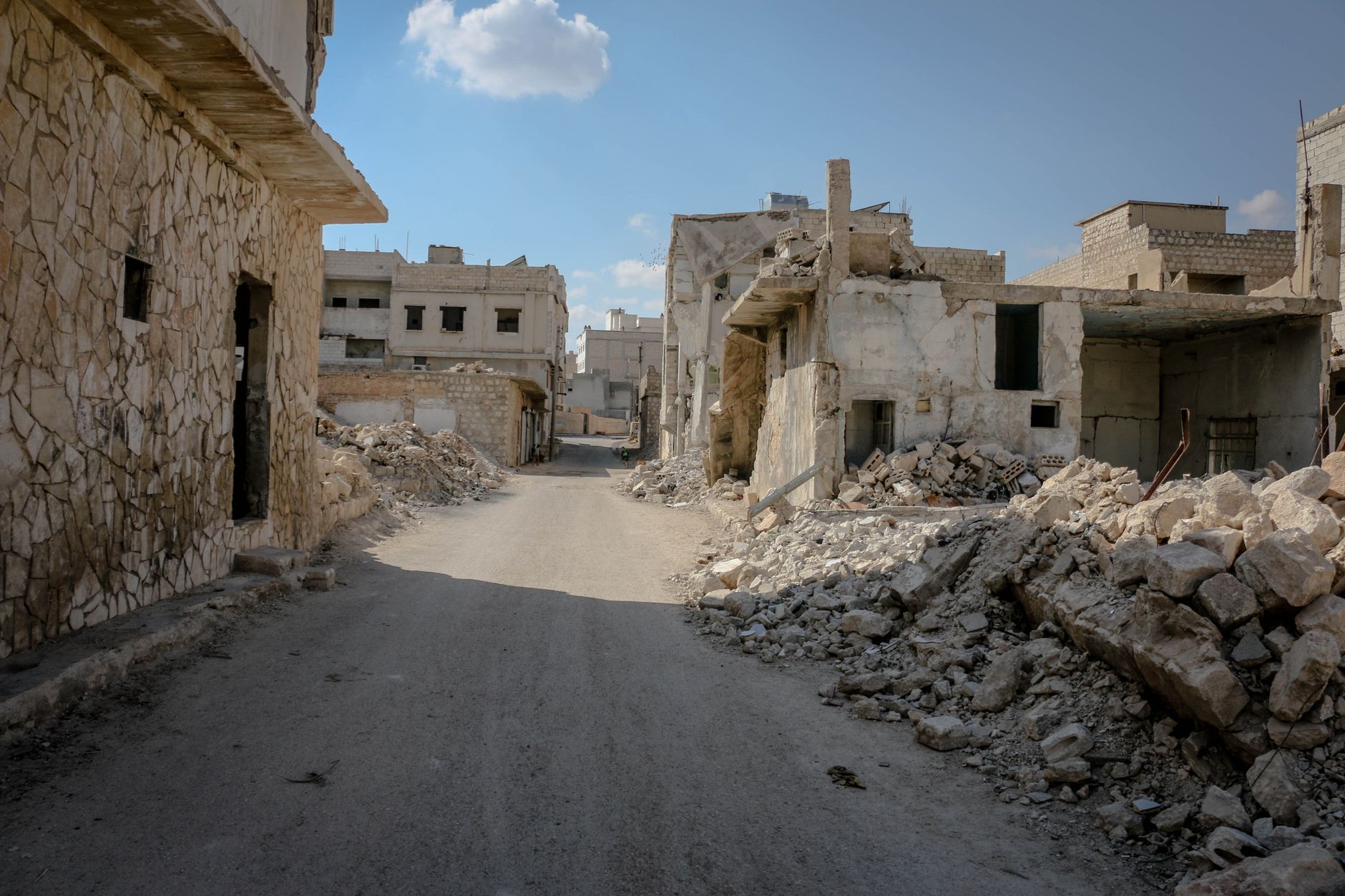
The war in Ukraine has unleashed an unparalleled humanitarian catastrophe, inflicting immense suffering on millions. Cities lie in ruins, once-vibrant communities are now desolate landscapes, and the toll on civilian lives is staggering, with thousands dead and countless more injured. This conflict has triggered the largest displacement crisis in Europe since World War II, forcing millions of Ukrainians to flee their homes, seeking refuge within their own country or across international borders, leaving behind everything they knew and cherished.
Beyond the immediate physical destruction and loss of life, the psychological scars of this conflict run deep. Survivors grapple with profound trauma, witnessing atrocities, losing loved ones, and enduring relentless bombardment. Children, in particular, face an uncertain future, their education disrupted, their innocence shattered, and their development marred by the constant threat of violence. The fabric of Ukrainian society is being tested to its limits, as families are separated, livelihoods are destroyed, and the emotional burden becomes an enduring legacy of the war.
This is not merely a geopolitical chess match; it is a profound human tragedy unfolding in real-time. The sheer scale of human suffering underscores the urgent need for sustained humanitarian aid, medical support, and long-term recovery efforts. International organizations and countless volunteers are working tirelessly to alleviate the pain, but the needs are overwhelming. The human cost of this war serves as a stark reminder of the devastating consequences when diplomatic solutions fail and aggression prevails, demanding unwavering global attention and empathy.
How We Got Here
The current crisis escalated dramatically in February 2022 when Russia launched a full-scale invasion of Ukraine, expecting a swift military victory and a rapid collapse of Ukrainian resistance. Vladimir Putin's stated objectives included the 'demilitarization' and 'denazification' of Ukraine, aiming to install a pro-Russian government and prevent the country's further integration with Western alliances. However, these ambitions were met with an unforeseen and fierce resistance from the Ukrainian armed forces and its civilian population, immediately thwarting Russia's initial strategic plans for a quick conquest.
As the conflict progressed, the international community responded with unprecedented unity and resolve. Western nations, led by the United States and the European Union, imposed a sweeping array of economic sanctions on Russia, targeting its financial institutions, energy sector, and key oligarchs, aiming to cripple its war economy. Simultaneously, a robust flow of military and humanitarian aid began pouring into Ukraine, providing crucial support for its defense. This collective international pressure, coupled with systemic underperformance within the Russian military, including logistical failures and poor morale, significantly hampered Moscow's ability to achieve its objectives.
Putin's strategic miscalculations proved profound. He underestimated the unwavering resolve of the Ukrainian people, the effectiveness of their military, and the strength of Western solidarity. His assumption that NATO was a fractured alliance proved incorrect, as the invasion galvanized the bloc and led to increased defense spending and expansion. Furthermore, the economic resilience of the West and its capacity to sustain sanctions for an extended period were likely underestimated. These misjudgments have trapped Russia in a costly, protracted conflict, increasingly isolated on the global stage and facing mounting domestic pressures.
Why This Cannot Be Ignored
The current state of the war, with Russia facing significant setbacks and Putin growing increasingly desperate, presents an alarming and unpredictable scenario for global stability. A cornered leader, facing domestic discontent and international isolation, may resort to extreme measures to regain leverage or save face. This includes the heightened risk of escalating rhetoric around, or even the potential use of, unconventional weapons, which could plunge the world into an unprecedented crisis. The possibility of direct attacks on critical infrastructure outside Ukraine, or even on NATO supply lines, cannot be discounted, demanding vigilant attention from all international actors.
Beyond the immediate battlefield, the conflict's implications ripple across the globe, threatening to unravel decades of international norms and security architecture. The destabilization of energy markets, disruptions to global food supplies, and the erosion of international law are already palpable consequences. Should Russia achieve any perceived success through aggression, it would embolden other authoritarian regimes, signaling that territorial conquest through force is permissible. This could trigger a dangerous cascade of conflicts and power grabs, fundamentally reshaping the geopolitical landscape and ushering in an era of heightened global instability.
Therefore, the international community's response to this critical juncture is paramount. Inaction or a failure to maintain a unified, resolute stance against Russian aggression would have catastrophic, far-reaching consequences. It is imperative for global leaders to not only continue robust support for Ukraine but also to develop comprehensive contingency plans for potential escalations. The future of the rules-based international order, the sanctity of national sovereignty, and the very principles of peace and security hinge on how the world collectively addresses the dangerous desperation of a failing aggressor.
Possible Paths Forward
The prospects for a swift, negotiated settlement appear increasingly remote given the current maximalist positions of both Kyiv and Moscow. Ukraine insists on the full restoration of its territorial integrity and accountability for war crimes, while Russia continues to demand recognition of its annexed territories and a neutral, demilitarized Ukraine. This fundamental divergence makes any meaningful peace talks exceedingly difficult in the near term. Consequently, a prolonged stalemate, characterized by attritional warfare, limited territorial gains, and sustained, high-intensity conflict, remains the most likely immediate scenario, draining resources and lives on both sides.
A decisive Ukrainian victory, while a clear objective for Kyiv and its allies, represents a long and arduous path fraught with immense human and material costs. Achieving this would require sustained, and potentially increased, levels of advanced military aid from Western partners, including sophisticated air defense systems, long-range artillery, and armored vehicles. Furthermore, it demands unwavering resolve from the Ukrainian people and military, enduring continuous assaults and launching difficult counter-offensives. Even with such support, reclaiming all occupied territories would be a monumental undertaking, likely spanning years and incurring further devastating losses.
The most concerning paths involve significant escalation by Russia. As its conventional military options dwindle and domestic pressures mount, Putin might consider increasingly desperate measures. This could range from intensified missile strikes on Ukrainian civilian infrastructure, cyberattacks targeting Western nations, or even the deployment of tactical nuclear weapons, though the latter remains a low but non-zero risk due to the catastrophic global consequences. Any such escalation would dramatically alter the conflict's trajectory, potentially drawing NATO directly into the fray and pushing the world closer to a broader, more devastating confrontation with unimaginable implications.
Questions People Are Actually Asking
What to Watch
- The potential for further Russian mobilization efforts, including a new wave of conscription or a broader declaration of war, will signal Moscow's commitment to a prolonged conflict and its willingness to absorb greater domestic costs.
- The sustained level and type of Western military and financial aid to Ukraine remain critical, directly influencing Ukraine's defensive capabilities and its capacity to launch effective counter-offensives against Russian forces.
- Key battlefield developments, particularly around strategic cities or critical supply lines, will indicate shifts in momentum and could significantly alter the tactical and strategic landscape of the ongoing conflict.
- Vladimir Putin's evolving rhetoric, especially concerning nuclear weapons or direct confrontation with NATO, must be closely monitored for any signs of heightened desperation or impending escalatory actions.
- The stability of global energy markets, particularly as Europe navigates winter without Russian gas, will be a crucial indicator of the economic resilience of nations supporting Ukraine and Russia's leverage.
- Internal political dynamics within Russia, including any signs of dissent among elites or the general populace, could influence Putin's decision-making and potentially alter the trajectory of the conflict.






Comments
No comments yet. Be the first to comment!