
The Numbers
- Over 1.5 million civilians have been internally displaced since the conflict's escalation, with an additional 700,000 seeking refuge in neighboring countries, straining regional resources and aid infrastructure significantly.
- The United Nations reports more than 12,000 confirmed civilian casualties, including a disproportionate number of women and children, highlighting the devastating human cost of sustained hostilities across the affected zones.
- Economic losses in the primary conflict zone are estimated at $250 billion, impacting critical infrastructure, agricultural output, and trade routes, leading to severe food insecurity and widespread unemployment.
- International humanitarian aid commitments have reached $15 billion, yet only 40% has been disbursed, leaving critical gaps in medical supplies, shelter, and educational support for vulnerable populations.
- Military expenditures by involved parties have surged by an average of 30% over the last year, reflecting a dangerous arms race and a prioritization of conflict over diplomatic resolution efforts.
- Diplomatic efforts have seen over 30 rounds of talks, yielding limited breakthroughs on ceasefire agreements or humanitarian corridors, underscoring the deep-seated mistrust and complex demands from all factions.
Context Check
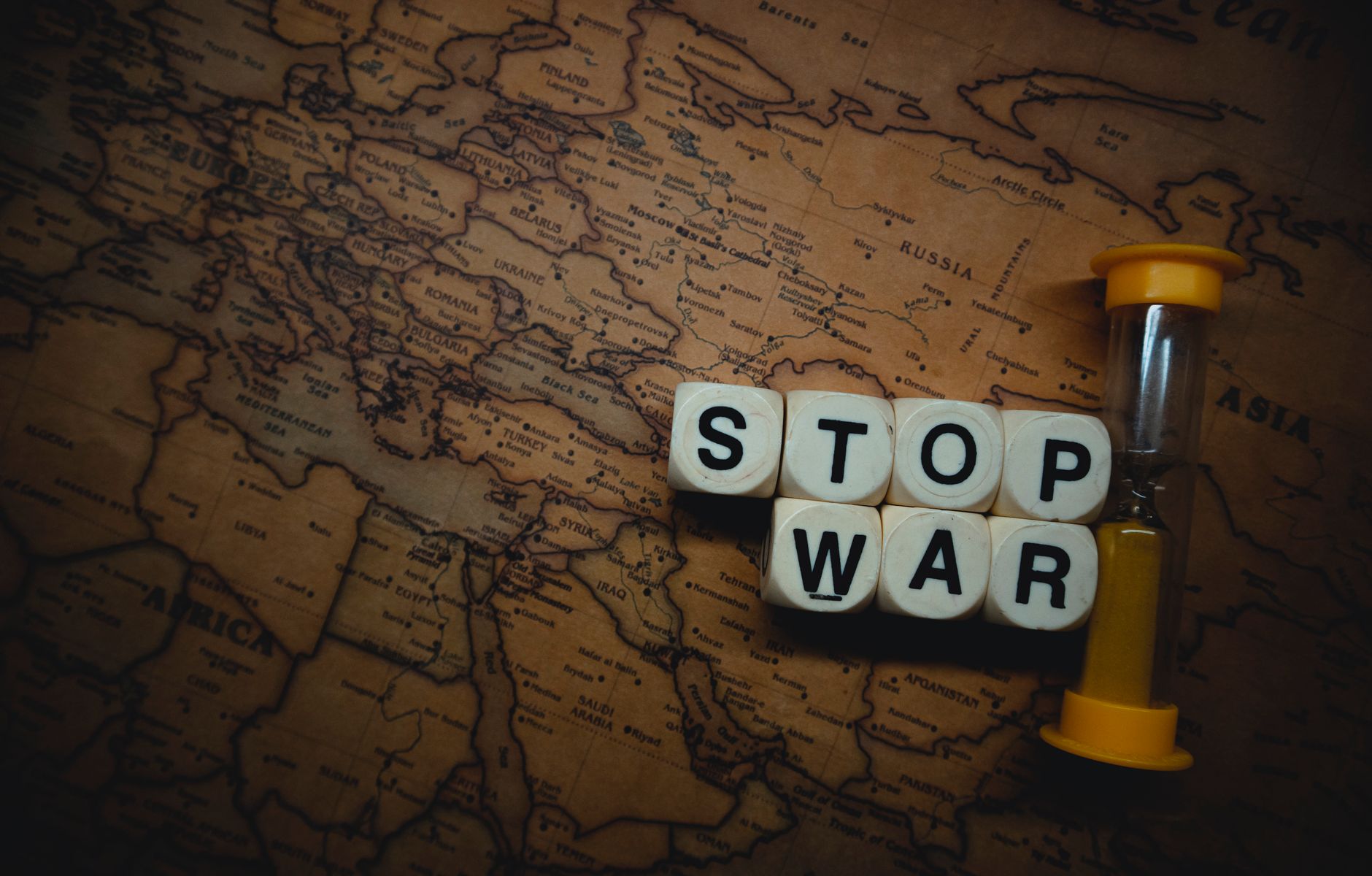
The current flare-up in the Eastern European border region was immediately triggered by a series of cross-border shelling incidents two months ago, following months of simmering tensions and minor skirmishes. These initial provocations quickly escalated into full-scale military engagements, drawing in regional proxies and international observers with alarming speed. The rapid deployment of heavy artillery and armored units signaled a definitive shift from localized disputes to a broader, more entrenched conflict, catching many international analysts off guard despite prior warnings of instability.
Recent weeks have seen a dramatic intensification of fighting around key strategic cities, with reports of significant civilian infrastructure damage and mounting non-combatant casualties. Both sides claim territorial gains while accusing the other of violating international humanitarian law, complicating any prospects for a swift de-escalation. The use of advanced weaponry by all factions has transformed the battlefield, making any potential ceasefire incredibly fragile and difficult to enforce effectively across the sprawling front lines.
Beyond the primary belligerents, several powerful international actors are deeply invested in the conflict's outcome, providing military aid, economic sanctions, or diplomatic backing. This external involvement has not only prolonged the fighting but has also transformed a regional dispute into a proxy battleground for broader geopolitical rivalries. Understanding these complex allegiances and the motivations behind external support is crucial for comprehending the conflict's intractable nature and the immense challenges facing peace initiatives.
Background
The roots of the current Eastern European conflict stretch back decades, interwoven with historical grievances, shifting national identities, and disputed territorial claims stemming from post-imperial fragmentation. Decades of uneasy truces and unresolved border disputes have created a fertile ground for resentment, often fueled by nationalist rhetoric and selective historical narratives. These deep-seated historical factors are not merely footnotes but active drivers of the ongoing hostilities, making reconciliation an exceptionally complex and arduous process for all parties involved.
Ethno-linguistic divisions have long been exploited by political factions, exacerbating communal tensions and creating a cycle of mistrust that predates the current hostilities. Minority rights, cultural autonomy, and perceived historical injustices are frequently invoked, providing a powerful emotional underpinning for the conflict. These grievances, often passed down through generations, contribute significantly to the difficulty in achieving lasting peace, as they touch upon fundamental aspects of identity and belonging for millions across the region.
The region's strategic location, bordering major powers and vital trade routes, has consistently attracted external interference, transforming local disputes into international flashpoints. Competing geopolitical interests, particularly concerning energy security and regional influence, have often overshadowed genuine efforts towards conflict resolution. This external dimension means that any lasting peace agreement must navigate not only the immediate concerns of the warring parties but also the intricate web of broader international power dynamics, making a simple resolution highly improbable.
Winners and Losers
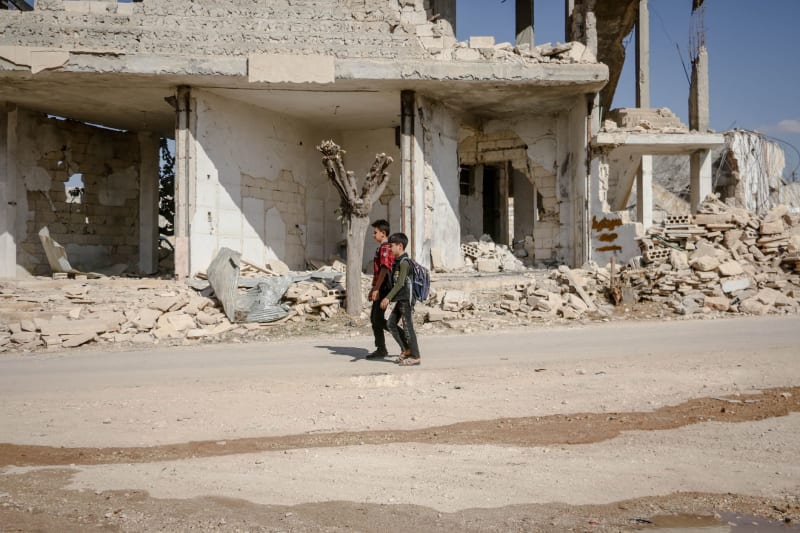
The most profound losers in this conflict are undeniably the civilian populations caught in the crossfire. Millions have been displaced, their homes destroyed, livelihoods shattered, and access to basic necessities like food, water, and medical care severely curtailed. Children, in particular, face immense trauma, disrupted education, and the long-term psychological scars of war, representing a lost generation whose future prospects are gravely imperiled by the ongoing violence and instability across the region.
Economically, the entire region is suffering catastrophic losses. Critical infrastructure, from power grids to transportation networks, has been systematically targeted and destroyed, crippling any potential for immediate recovery. Trade routes are disrupted, foreign investment has evaporated, and local businesses have collapsed, plunging once-vibrant communities into severe poverty. The long-term economic fallout will require decades of sustained international effort and investment to rebuild, assuming hostilities ever truly cease.
While some factions may claim tactical victories or territorial gains, these often come at an unsustainable cost, leading to pyrrhic victories that only prolong suffering. The true 'winners' are few and far between, perhaps limited to arms manufacturers and those who profit from instability and illicit trade. Even political leaders who consolidate power through conflict face the daunting challenge of governing a devastated populace and a broken economy, suggesting that any perceived gains are fleeting and ultimately detrimental to long-term stability.
Analyst Perspectives
Analysts offer starkly divergent views on the conflict's trajectory. One school of thought suggests a prolonged stalemate, with neither side possessing the decisive military advantage to achieve outright victory, leading to a protracted war of attrition. This scenario predicts continued low-intensity conflict, punctuated by periodic escalations, making any long-term planning for peace or reconstruction exceedingly difficult. Such a future would further entrench the suffering of civilians and destabilize the broader geopolitical landscape indefinitely.
Many experts are highly critical of the international community's fragmented and often ineffective response. They argue that a lack of unified diplomatic pressure, coupled with inconsistent application of sanctions and insufficient humanitarian aid, has inadvertently emboldened belligerents. The geopolitical divisions among major powers have prevented a cohesive strategy, allowing the conflict to fester and escalate beyond its initial scope, thereby undermining international law and humanitarian principles on a global scale.
Despite the grim outlook, some analysts identify potential pathways to resolution, emphasizing the need for robust, multilateral mediation efforts that address the core grievances of all parties. They suggest that a comprehensive peace plan must include security guarantees, economic reconstruction packages, and mechanisms for transitional justice and reconciliation. However, achieving such a consensus requires a significant shift in political will from both internal and external actors, which currently appears to be a distant prospect given the entrenched positions.

Key Questions Explained
The Outlook
The immediate outlook for the Eastern European border conflict remains grim, with a high probability of continued escalation rather than de-escalation. Both sides appear deeply entrenched, fueled by nationalist fervor and external support, making any swift resolution unlikely. The risk of the conflict spilling over into neighboring territories or involving additional regional actors is a constant and alarming concern, threatening to destabilize an already fragile geopolitical landscape. Without a dramatic shift in diplomatic engagement, further intensification seems almost inevitable.
The humanitarian crisis is poised to deepen significantly as winter approaches, exacerbating the suffering of millions already displaced and deprived of basic necessities. Infrastructure damage, particularly to power and heating systems, will render vast areas uninhabitable, potentially triggering another wave of mass displacement. International aid efforts, already stretched thin, will face unprecedented challenges, making the need for secure humanitarian corridors and a cessation of hostilities more urgent than ever to prevent further catastrophic loss of life.
Achieving long-term stability in the region will require far more than a simple ceasefire; it demands a comprehensive approach addressing the root causes of the conflict, including historical grievances, ethnic divisions, and geopolitical rivalries. This will necessitate sustained diplomatic engagement, significant reconstruction efforts, and robust mechanisms for transitional justice and reconciliation. The path to a durable peace is arduous and fraught with obstacles, implying that the region will remain a flashpoint for years, if not decades, to come without decisive, coordinated international action.

















Comments
No comments yet. Be the first to comment!