

Key Takeaways
- The Illawarra region is witnessing a significant increase in commercial property vacancies, leading to concerns about a 'ghost town' effect on local economies.
- Multiple factors, including economic downturns, changing consumer habits, and the lingering impact of global events, are contributing to the current business challenges.
- Local businesses are struggling with rising operational costs, reduced foot traffic, and intense competition from online retailers, pushing many towards closure or relocation.
- The decline in retail and service sectors has a cascading effect, impacting employment rates, community vibrancy, and the overall economic health of the Illawarra.
- Urgent and collaborative strategies involving government, businesses, and community stakeholders are essential to address the crisis and foster sustainable economic recovery.
- The long-term viability of the Illawarra's commercial landscape hinges on adapting to new economic models and supporting local enterprises through targeted initiatives.
Background
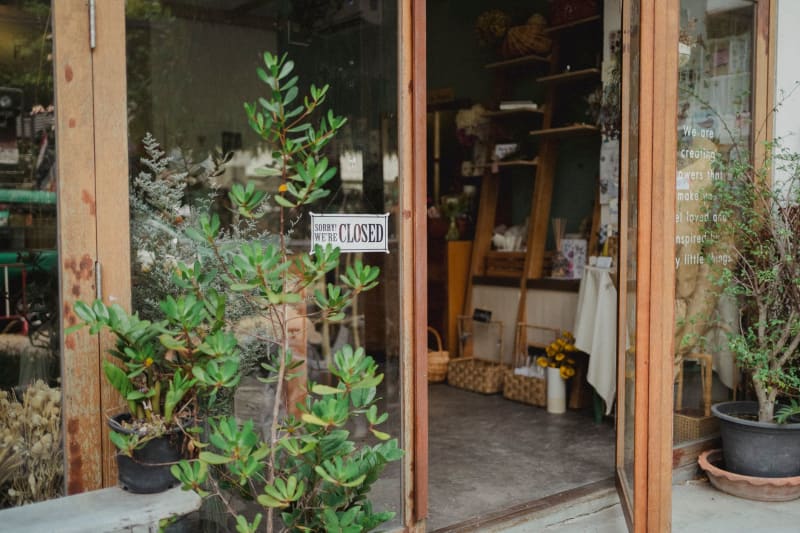
The Illawarra region, historically a hub of industry and commerce, is now facing an unprecedented wave of business closures and vacant storefronts. This trend is not merely a cyclical downturn but appears to signal a deeper, more systemic issue affecting the region's economic vitality. For years, the Illawarra has navigated economic shifts, from the decline of heavy industry to the rise of new service-based economies. However, the current situation presents a unique set of challenges that are testing the resilience of its local businesses and their ability to adapt to a rapidly evolving marketplace. The visual evidence of empty shops on once-bustling main streets is a stark reminder of the economic pressures at play, prompting serious questions about the future of commerce in the area and the well-being of its communities.
The economic landscape of the Illawarra has always been dynamic, shaped by its industrial heritage and its proximity to major urban centers. However, recent years have seen a confluence of factors that are accelerating the decline of traditional retail and service businesses. The rise of e-commerce has fundamentally altered consumer behavior, with shoppers increasingly opting for the convenience and often lower prices offered by online retailers. This shift has placed immense pressure on brick-and-mortar stores, many of which struggle to compete on price and accessibility. Furthermore, broader economic headwinds, including inflation, rising interest rates, and supply chain disruptions, have exacerbated these challenges, increasing operational costs for businesses while simultaneously dampening consumer spending power. The cumulative effect is a precarious environment for local enterprises.
The impact of these economic shifts is most visibly demonstrated by the growing number of empty commercial spaces across the Illawarra. Main streets that were once vibrant centers of community activity and commerce are now dotted with 'for lease' signs, creating a sense of decline and economic stagnation. This physical manifestation of distress is more than just an aesthetic concern; it represents lost jobs, reduced local spending, and a diminished sense of community pride. The closure of businesses, particularly long-standing local institutions, leaves a void that is difficult to fill, impacting the social fabric of towns and cities within the region. Understanding the historical context of business resilience in the Illawarra is crucial to appreciating the severity of the current challenges and the potential long-term consequences if these trends are not effectively addressed.
Why It Matters
The proliferation of vacant storefronts in the Illawarra signifies more than just a commercial downturn; it represents a profound threat to the region's economic vitality and social cohesion. Local businesses are the lifeblood of any community, providing employment, generating tax revenue, and fostering a unique sense of place. When these businesses falter, the ripple effect is felt across the entire economy. Job losses lead to reduced household incomes and decreased consumer spending, further exacerbating the challenges faced by remaining businesses. Moreover, vibrant commercial centers contribute to community well-being by offering gathering spaces, supporting local events, and enhancing the overall quality of life for residents. The current trend risks eroding these essential community assets.
The economic consequences of widespread business closures extend far beyond the individual enterprises that cease to operate. A decline in commercial activity can lead to a significant reduction in local employment opportunities, forcing residents to seek work elsewhere or face prolonged periods of unemployment. This not only impacts household financial stability but can also lead to a 'brain drain' as skilled workers leave the region in search of better prospects. Furthermore, a diminished business base means a reduced contribution to the local tax base, potentially straining public services and infrastructure development. The cumulative effect can be a downward spiral, making it increasingly difficult for the region to attract new investment and foster sustainable growth, thereby jeopardizing its long-term prosperity.
Beyond the immediate economic impacts, the 'ghost town' reality emerging in parts of the Illawarra poses a significant threat to the social fabric of its communities. Thriving main streets are often the heart of local identity, fostering social interaction and a sense of belonging. As businesses close and spaces remain empty, these areas can become less inviting, leading to a decline in foot traffic and community engagement. This can create a feedback loop where reduced activity deters potential customers and investors, further accelerating decline. The loss of local businesses also means the loss of unique character and personalized service that often distinguishes regional towns from larger, more homogenous urban centers. Preserving the vibrancy of the Illawarra's commercial centers is therefore crucial for maintaining its distinct identity and the quality of life for its residents.
Ground Reality
Walking through the main commercial streets of many Illawarra towns reveals a stark and unsettling picture. Empty shopfronts, once vibrant hubs of activity, now stand as silent testaments to economic hardship. 'For Lease' signs have become a common sight, often remaining in place for extended periods, indicating a lack of demand or prohibitive rental costs. Local business owners who remain are grappling with significantly reduced foot traffic, a direct consequence of shifting consumer habits towards online shopping and a general tightening of household budgets due to inflation and rising living costs. Many report that while online sales offer a partial solution, they cannot fully compensate for the loss of in-person customers and the impulse purchases that drive significant revenue for physical stores. The struggle is palpable, with many owners expressing deep concern for their future.
The operational challenges faced by Illawarra businesses are multifaceted and increasingly severe. Rising costs for essential goods, energy, and staffing are placing immense pressure on already thin profit margins. Small business owners often speak of working longer hours for diminishing returns, caught between the need to maintain competitive pricing for customers and the escalating expenses of running their enterprises. Furthermore, the difficulty in attracting and retaining skilled staff adds another layer of complexity, forcing some businesses to limit their operating hours or services. This creates a frustrating cycle where reduced capacity can further deter customers, leading to a perception of decline that can be difficult to reverse. The resilience of these business owners is being tested daily against a backdrop of economic uncertainty.
The impact of these closures and struggles is deeply felt within the community. Local cafes that once served as informal meeting places are closing their doors, and retail stores that offered personalized service and unique products are disappearing. This erosion of the local commercial landscape affects not only the economy but also the social fabric of towns. Residents express a growing sense of loss, lamenting the disappearance of familiar businesses and the decline of their town centers. The convenience of online shopping is acknowledged, but it cannot replace the human connection and community engagement that local businesses foster. The current reality is one of increasing isolation and a growing concern that the unique character of Illawarra towns is being eroded by economic forces beyond their immediate control.
What Experts Are Saying
Economists are closely monitoring the situation in the Illawarra, identifying a complex interplay of national and regional factors contributing to the current business climate. Dr. Anya Sharma, a regional economic analyst, points to the accelerated shift towards digital commerce as a primary driver, noting that while this trend is global, its impact is particularly acute in regions reliant on traditional retail models. She emphasizes that businesses need to embrace omnichannel strategies, integrating online and physical presence seamlessly, to remain competitive. Furthermore, Dr. Sharma highlights the importance of local government support through initiatives like rate relief, business advisory services, and targeted marketing campaigns to bolster struggling enterprises. Without proactive intervention, she warns, the decline could become entrenched, leading to long-term economic stagnation.
Urban planning experts suggest that the current challenges present an opportunity for reimagining the purpose and function of town centers. Professor David Chen, specializing in sustainable urban development, argues that a sole reliance on retail is no longer viable. He advocates for diversifying town centers to include more residential spaces, community facilities, co-working hubs, and cultural attractions. This mixed-use approach, he explains, can create more consistent foot traffic throughout the week, supporting a wider range of businesses, including cafes and services. Professor Chen stresses that successful revitalization requires a long-term vision and collaborative planning between councils, developers, and the local business community to create more resilient and attractive urban environments.
Small business advocacy groups are calling for urgent policy changes to alleviate the pressures on local enterprises. Sarah Jenkins, spokesperson for the Illawarra Small Business Collective, states that current government support measures are often insufficient or difficult to access for businesses most in need. She highlights the need for more accessible grants, simplified regulatory processes, and targeted training programs focused on digital marketing and e-commerce adaptation. Jenkins also emphasizes the importance of fostering a 'buy local' culture through coordinated community campaigns. 'We need more than just sympathy; we need tangible support and policy shifts that recognize the unique challenges faced by small businesses in regional Australia,' she urged.

Frequently Asked Questions
What Happens Next
The trajectory of the Illawarra's commercial landscape hinges on the proactive measures implemented in the coming months. Local councils are expected to review and potentially enhance support programs for small businesses, focusing on areas such as digital adoption grants, simplified planning approvals for business expansions, and targeted marketing initiatives to attract visitors back to main streets. There is also a growing discussion around diversifying the use of commercial spaces, encouraging a mix of retail, hospitality, residential, and community-focused enterprises to create more dynamic and resilient town centers. The success of these initiatives will depend on effective collaboration between government bodies, business associations, and individual business owners.
For individual businesses, the immediate future will likely involve a continued focus on adaptation and innovation. Those that can successfully integrate online sales channels with compelling in-store experiences are poised to fare better. This may include offering click-and-collect services, personalized consultations, or unique in-store events that cannot be replicated online. Businesses will also need to carefully manage costs and explore collaborative opportunities, such as shared marketing expenses or joint ventures, to enhance their competitiveness. The willingness of business owners to embrace change and invest in new strategies will be a critical determinant of their survival and success in the evolving market.
Community engagement will play a vital role in revitalizing the Illawarra's commercial heart. Increased support for local events, farmers' markets, and cultural activities can draw people back to town centers, creating a more vibrant atmosphere and boosting foot traffic for businesses. Encouraging residents to consciously choose local providers for their goods and services, even when online options exist, will be crucial. Local media and community leaders are expected to amplify 'buy local' messages, fostering a sense of collective responsibility for the region's economic well-being. The long-term outlook depends on building a sustainable ecosystem where businesses, residents, and local government work in concert to create a thriving and attractive Illawarra.















Comments
No comments yet. Be the first to comment!