

The Story in Brief
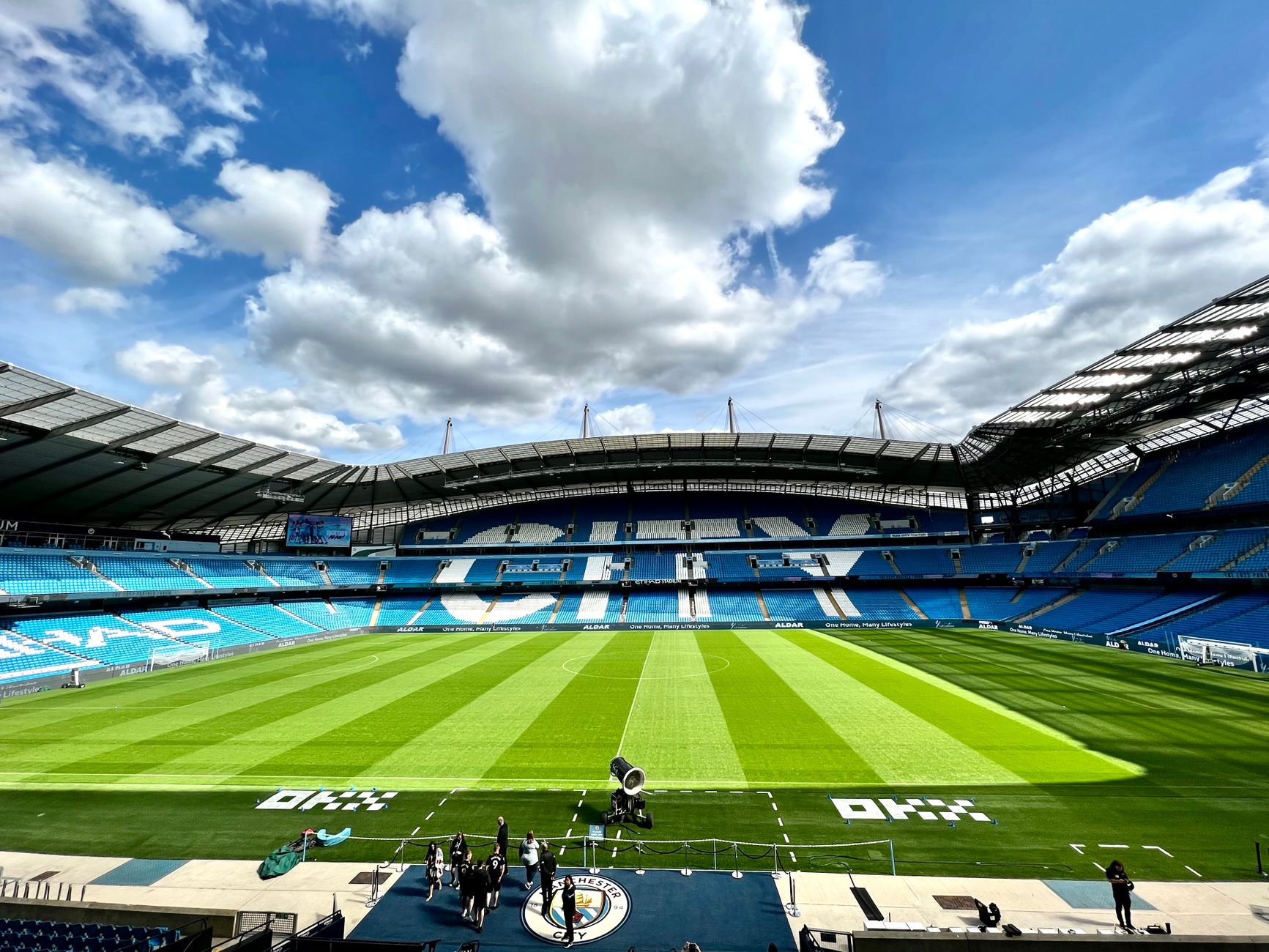
- The 16 host cities across the USA, Canada, and Mexico are racing against time to upgrade stadiums, enhance transportation networks, and ensure adequate accommodation for the unprecedented influx of visitors, with progress varying significantly between locations.
- Organizing a tournament across three distinct nations presents immense logistical challenges, particularly concerning cross-border travel for teams and fans, customs procedures, and harmonizing security protocols across diverse jurisdictions.
- FIFA is expected to unveil its comprehensive ticketing strategy soon, a critical element that will dictate accessibility and affordability for millions of fans, while also managing demand and preventing scalping on a massive scale.
- Efforts are underway to craft a cohesive and memorable fan experience, encompassing everything from official fan zones and cultural events to ensuring seamless digital connectivity and multilingual support throughout the vast geographical spread of the tournament.
- The potential influence of political figures, notably former US President Donald Trump, on the tournament's operational aspects, particularly regarding international relations and security policies, remains a significant point of discussion and concern.
- Billions are being invested in critical infrastructure projects, including airport expansions, public transit upgrades, and new hospitality ventures, all aimed at supporting the projected 5.5 million visitors and ensuring the smooth execution of the largest World Cup ever.
The Human Face
For a dedicated football fan, the 2026 World Cup represents a once-in-a-lifetime opportunity to witness the pinnacle of the sport across three vibrant nations. However, the sheer scale of the event also brings anxieties: securing affordable tickets, navigating complex travel logistics between distant host cities, and understanding diverse local cultures and regulations. The dream of following a national team through multiple countries could quickly become a financial and logistical nightmare without clear, accessible information and robust support systems, highlighting the immense personal investment fans will make.
Local communities within the 16 host cities are bracing for a transformative, albeit potentially disruptive, period. While the economic boom from tourism and infrastructure development is eagerly anticipated, residents also face concerns about increased traffic, elevated living costs, and the potential strain on public services. Small businesses, in particular, are weighing the opportunities for unprecedented revenue against the challenges of managing overwhelming demand and adapting to temporary regulations designed for the tournament.
The construction and hospitality sectors are experiencing a surge in demand, creating thousands of jobs for individuals involved in stadium renovations, hotel construction, and service provision. These workers, often operating under tight deadlines, are the unsung heroes building the physical infrastructure for the tournament. Their dedication is crucial, yet ensuring fair wages, safe working conditions, and adequate training across all three host nations remains a paramount concern, underscoring the human effort behind such a monumental global event.
How We Got Here
The journey to the 2026 World Cup began with a groundbreaking joint bid from the United States, Canada, and Mexico, marking the first time three nations would co-host the prestigious tournament. This "United Bid" was officially selected by FIFA in June 2018, triumphing over a competing bid from Morocco. The rationale behind the unprecedented tri-national approach was to leverage existing world-class infrastructure, minimize new construction costs, and distribute the immense logistical burden across a wider geographical and economic base, promising a truly continental spectacle.
Following the successful bid, the initial phases involved extensive coordination between FIFA and the three host federations to designate the 16 host cities from a preliminary list of 23 candidates. This process, completed in June 2022, immediately highlighted the scale of the undertaking, particularly concerning the vast distances between cities and the varying regulatory environments. Early discussions focused on harmonizing customs and immigration procedures, establishing cross-border transportation plans, and setting preliminary security frameworks, all while navigating the complexities of multi-governmental collaboration.
The period since the host city selection has seen continuous planning, adapting to evolving global circumstances and political shifts. The COVID-19 pandemic, while not directly impacting the 2026 timeline, provided valuable lessons in large-scale event management and public health protocols. Furthermore, the political landscape in all three nations, particularly the United States, has seen significant changes, introducing new variables, such as the potential return of former President Trump, which could influence international relations and security policies relevant to the tournament.
Why This Cannot Be Ignored
The 2026 World Cup is not merely a sporting event; it's an economic juggernaut and a profound statement on national and continental capabilities. Billions in revenue are projected, but so are billions in expenditure. A flawlessly executed tournament could solidify the host nations' reputations as global leaders in event management and hospitality, attracting future investment and tourism. Conversely, significant logistical failures, security lapses, or widespread fan dissatisfaction could inflict lasting damage on their international standing and deter future large-scale international collaborations, making the stakes incredibly high.
At its core, the World Cup is about the fans. Ensuring an accessible, safe, and enjoyable experience for millions of international and domestic visitors is paramount. Issues such as exorbitant ticket prices, insufficient accommodation, convoluted travel arrangements, or inadequate public safety measures could severely tarnish the tournament's legacy. The challenge lies in balancing commercial interests with the spirit of inclusivity, ensuring that the joy of football is accessible to a broad spectrum of supporters, not just an elite few, thereby preserving the event's global appeal.
Hosting an event of this magnitude across three countries, particularly with the current global geopolitical climate, carries substantial security implications. The coordination required between multiple law enforcement agencies, intelligence services, and border control departments is unprecedented. Furthermore, any political rhetoric or policy decisions, such as those potentially emanating from a future US administration, could create diplomatic friction or impact visa processes, directly affecting fan and team mobility. These elements demand meticulous planning and constant vigilance to prevent any incident from overshadowing the global celebration of sport.
Possible Paths Forward
To overcome the unique tri-national logistical challenges, an intensified and streamlined cross-border collaboration framework is absolutely essential. This involves establishing dedicated joint task forces comprising representatives from immigration, customs, transportation, and security agencies from all three host nations. Implementing unified digital platforms for information sharing and expedited visa processing for accredited personnel and fans could significantly reduce bottlenecks, ensuring smoother transitions and a more integrated fan journey across the vast North American continent.
Proactive and strategic investment in both physical and digital infrastructure is a clear path forward. Beyond stadium upgrades, this includes modernizing public transit systems, expanding airport capacities, and deploying robust 5G networks across all host cities and key travel corridors. Leveraging advanced technologies for crowd management, real-time information dissemination, and personalized fan experiences through official apps can mitigate many potential issues. These technological advancements are not just for the tournament but represent a lasting legacy for urban development.
A critical element for success involves maintaining transparent and consistent communication with the public, especially regarding ticketing, accommodation, and travel guidelines. FIFA and the host committees should launch comprehensive, multilingual information campaigns well in advance, utilizing diverse media channels to manage expectations and provide practical advice. Engaging fan groups in feedback mechanisms can help anticipate and address concerns proactively, fostering a sense of ownership and excitement, ultimately contributing to a more positive and inclusive tournament atmosphere for everyone involved.
Questions People Are Actually Asking
What to Watch
- Closely monitor official FIFA channels for the imminent release of ticketing phases, pricing structures, and application windows, as these details will dictate accessibility and planning for millions of prospective attendees.
- Keep an eye on the progress and completion of major infrastructure projects in all 16 host cities, particularly airport expansions, public transit upgrades, and stadium renovations, as delays could impact readiness.
- Watch for any official announcements or agreements between the USA, Canada, and Mexico regarding streamlined customs, immigration, and visa procedures for fans and teams, which are crucial for smooth logistics.
- Pay attention to political developments in the host nations, especially any statements or policy changes from key governmental figures, including potential US presidential candidates, that could influence tournament operations or international relations.
- Observe reports on joint security exercises and safety planning initiatives conducted by law enforcement agencies across the three nations, as these will indicate the robustness of their coordinated response strategies.
- Look out for the unveiling of official fan zones, cultural programs, and digital engagement platforms designed to enhance the overall experience for supporters, ensuring a cohesive and memorable atmosphere across all venues.
















Comments
No comments yet. Be the first to comment!