

Key Takeaways
- The financial performance and fan engagement surrounding the New York Knicks serve as a compelling, albeit informal, barometer for broader economic sentiment, mirroring consumer confidence and discretionary spending patterns observed across the nation.
- Fluctuations in team valuation, ticket prices, and merchandise sales for a high-profile franchise like the Knicks often correlate with macroeconomic indicators such as inflation rates, interest rate policies, and overall market stability.
- Understanding the economic drivers behind a sports franchise's success or struggles provides valuable insights into how external economic forces impact industries reliant on consumer spending and entertainment, offering a relatable lens for complex financial discussions.
- The narrative of the Knicks' economic journey, from periods of intense fan investment to moments of widespread skepticism, reflects the cyclical nature of economic booms and busts, highlighting the resilience and vulnerability of both businesses and consumer psychology.
- Analyzing the 'Knicks economy' allows for a tangible exploration of how factors like team performance, media rights, and stadium operations interact with national economic policies and global market trends, demonstrating a complex web of interconnected financial influences.
- Ultimately, the financial health and public perception of a major sports team can offer a unique, accessible perspective on the real-world implications of economic policies and the prevailing mood of the populace, making it a surprisingly relevant economic indicator.
Background
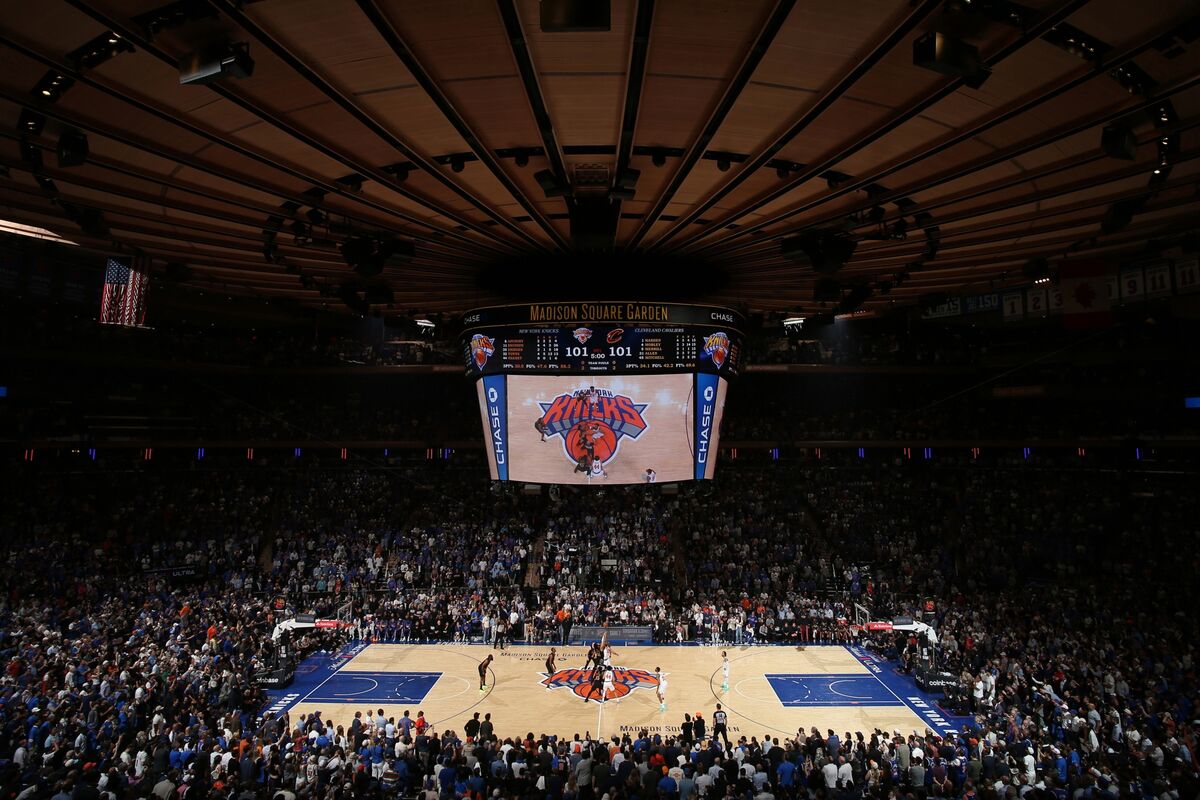
The New York Knicks, a storied franchise in the National Basketball Association, have a long and often tumultuous history that extends far beyond the hardwood. Their economic footprint within the sports industry is substantial, encompassing massive broadcasting deals, lucrative player contracts, and a dedicated, albeit sometimes frustrated, fanbase. The team's financial health is intrinsically linked to its on-court performance, with winning seasons often translating into increased ticket sales, higher merchandise revenue, and a boosted valuation for the franchise. Conversely, prolonged periods of losing can dampen fan enthusiasm, impact corporate sponsorships, and potentially affect the team's overall market value. This dynamic creates a unique 'Knicks economy' that operates within the larger framework of the global sports market, influenced by trends in media consumption, fan engagement, and the ever-increasing commercialization of professional athletics.
Historically, the Knicks have experienced periods of immense success, including multiple NBA championships, which were accompanied by unparalleled fan fervor and economic prosperity for the franchise. These golden eras saw Madison Square Garden packed night after night, with demand for tickets far outstripping supply, driving up prices and generating significant revenue. The team's brand became synonymous with New York City's resilience and competitive spirit. However, the subsequent decades have been marked by a significant downturn in on-court success, leading to a period of fan disillusionment and questions about the franchise's management and strategic direction. This shift has undoubtedly had economic repercussions, potentially affecting everything from season ticket renewals to the willingness of fans to invest in team-related merchandise and experiences, creating a complex economic narrative tied to wins and losses.
The economic ecosystem surrounding the Knicks is multifaceted, involving not just the team's ownership and players, but also a vast network of vendors, arena staff, media partners, and countless small businesses in the surrounding area that benefit from game days. The team's financial performance has a ripple effect, influencing employment opportunities and local economic activity. The valuation of the franchise itself, often cited in Forbes or other financial publications, reflects not only its current revenue streams but also its future earning potential, brand equity, and the perceived stability of its market. This valuation is a key indicator of how investors and the broader market view the team's economic viability and its capacity to generate returns, making it a critical element in understanding the 'Knicks economy' as a business entity.
Why It Matters
The economic narrative of the New York Knicks offers a surprisingly potent lens through which to view the broader health of the national economy, particularly concerning consumer confidence and discretionary spending. When fans are willing to spend significant amounts on tickets, merchandise, and concessions, it signals a level of economic security and optimism. Conversely, a dip in such spending, even for a beloved team, can indicate that consumers are becoming more cautious with their finances, perhaps due to inflation, job insecurity, or rising interest rates. The Knicks' financial performance, therefore, acts as an informal, yet highly visible, indicator of how the average person is feeling about their economic prospects and their willingness to allocate funds towards non-essential entertainment, providing a real-world gauge of economic sentiment.
Furthermore, the financial dynamics of a major sports franchise like the Knicks are deeply intertwined with macroeconomic trends and policy decisions. Factors such as inflation directly impact the cost of operating the team and the price of tickets, while interest rate hikes can influence corporate sponsorship budgets and the cost of capital for franchise investments. The team's ability to secure lucrative media deals, for instance, is influenced by the broader media landscape and the economic health of broadcasting networks and streaming services. By examining how these external economic forces shape the 'Knicks economy,' we gain a tangible understanding of the complex interplay between national economic policies and the performance of large entertainment businesses, illustrating the far-reaching effects of economic shifts.
The 'Knicks economy' also serves as a bellwether for the broader sports and entertainment industry, a sector that relies heavily on consumer engagement and disposable income. A struggling Knicks franchise, reflected in reduced fan spending, can foreshadow similar challenges for other entertainment ventures. Conversely, a thriving Knicks team, drawing significant fan investment, can indicate a robust market for entertainment. This makes the team's economic trajectory a valuable case study for understanding market resilience, brand loyalty, and the impact of performance on revenue generation within a highly competitive industry, offering insights that extend beyond the realm of basketball to the wider economy.
Ground Reality
On the ground, the economic reality for the average Knicks fan is a delicate balancing act. The allure of supporting a historic franchise like the Knicks remains strong, but the rising costs associated with attending games or purchasing team merchandise present a significant hurdle for many. Ticket prices, often among the highest in the league, coupled with the expenses of transportation, parking, and concessions, can easily turn a single game into a substantial financial outlay. This forces fans to make difficult choices about where their entertainment dollars are best spent, especially when facing broader economic pressures like inflation and stagnant wage growth. The decision to attend a game or buy a new jersey is no longer a casual one; it's a calculated expenditure that must be weighed against other essential needs and financial priorities.
The merchandise market for the Knicks, while always active, also reflects economic sensitivities. While die-hard fans will continue to purchase jerseys and apparel, the broader fan base might postpone purchases or opt for less expensive items. The proliferation of online retail and secondary markets further complicates this, offering a wider range of price points but also highlighting the fluctuating demand based on economic conditions. For businesses that rely on Knicks-related sales, from official team stores to independent retailers, understanding these shifts in consumer spending power is crucial for inventory management and sales forecasting. The economic sentiment of the city and the nation directly impacts the bottom line for these enterprises.
Beyond direct fan spending, the 'Knicks economy' impacts local businesses in the vicinity of Madison Square Garden. Restaurants, bars, and retail shops often see a significant boost in revenue on game nights. However, if ticket sales decline or if fewer fans are attending games due to economic constraints, these businesses can experience a noticeable drop in foot traffic and sales. This creates a tangible ripple effect, demonstrating how the financial health of a major sports franchise is deeply embedded within the economic fabric of its surrounding community. The economic well-being of these local establishments is directly tied to the perceived value and accessibility of the Knicks experience for the average consumer.
What Experts Are Saying
Sports economists frequently analyze franchises like the Knicks as valuable case studies for understanding consumer behavior in the face of economic fluctuations. Dr. Anya Sharma, a leading expert in sports finance, notes, "The Knicks' market is unique due to its high-cost environment and passionate fanbase. When fan spending on the team dips, it's often a leading indicator that broader consumer confidence is waning, as sports entertainment is typically one of the first discretionary categories people cut back on during economic uncertainty." She emphasizes that the team's valuation and revenue streams are highly sensitive to market conditions, making them a sensitive barometer for economic shifts.
Financial analysts covering the media and entertainment sector often point to the Knicks' financial performance as a proxy for the health of the live entertainment market. "The economics of a team like the Knicks are driven by a complex interplay of media rights, ticket sales, and corporate sponsorships," explains Mark Jenkins, a senior analyst at Global Sports Investments. "If we see a slowdown in sponsorship renewals or a softening in demand for premium seating, it often correlates with a broader economic slowdown impacting corporate budgets. The Knicks' ability to command premium pricing is directly tied to the economic buoyancy of businesses and individuals in the New York metropolitan area and beyond."
Behavioral economists also find the Knicks' fan base particularly interesting. Professor David Lee from Columbia University observes, "The loyalty of Knicks fans is legendary, but even that loyalty faces economic tests. When the team struggles on the court, and the economic climate is tough, the willingness to invest financially becomes a critical factor. The data often shows a strong correlation between team success, fan engagement, and overall economic optimism within the fan base. The 'Knicks economy' thus provides a unique window into how psychological factors, combined with economic realities, influence consumer spending on entertainment." This highlights the emotional and financial investment fans make.

Frequently Asked Questions
What Happens Next
Looking ahead, the economic trajectory of the New York Knicks will likely continue to mirror broader national economic trends, making close observation essential. As the Federal Reserve navigates interest rate policies and inflation continues to be a concern, the willingness of consumers to spend on discretionary items like sports entertainment will remain a key variable. The team's management will face ongoing pressure to balance ticket pricing and fan experience with the need to generate revenue, a challenge amplified in a potentially tighter economic climate. Any significant shifts in employment rates or consumer confidence will undoubtedly be reflected in attendance figures and merchandise sales, offering a real-time economic pulse.
The evolution of media consumption and broadcasting rights will also play a crucial role in the future 'Knicks economy.' As streaming services continue to gain prominence and traditional television viewership shifts, the value and structure of media deals will likely change. This could impact the league's overall revenue distribution and, consequently, the financial health of individual franchises like the Knicks. Adapting to these media landscape changes will be paramount for sustained economic success, requiring strategic investments and innovative approaches to fan engagement in a digitally evolving world.
Ultimately, the long-term economic outlook for the Knicks, and by extension, the insights it provides into the national economy, hinges on a combination of on-court performance, astute financial management, and the prevailing economic conditions. A sustained period of winning, coupled with strategic business decisions that resonate with fans amidst economic uncertainty, could bolster both the franchise's finances and its role as an economic indicator. Conversely, continued struggles, both on and off the court, during a challenging economic period, would further underscore the sensitivity of the sports economy to broader financial realities, providing a stark reminder of the interconnectedness of these seemingly disparate spheres.


















Comments
No comments yet. Be the first to comment!