
Key Takeaways
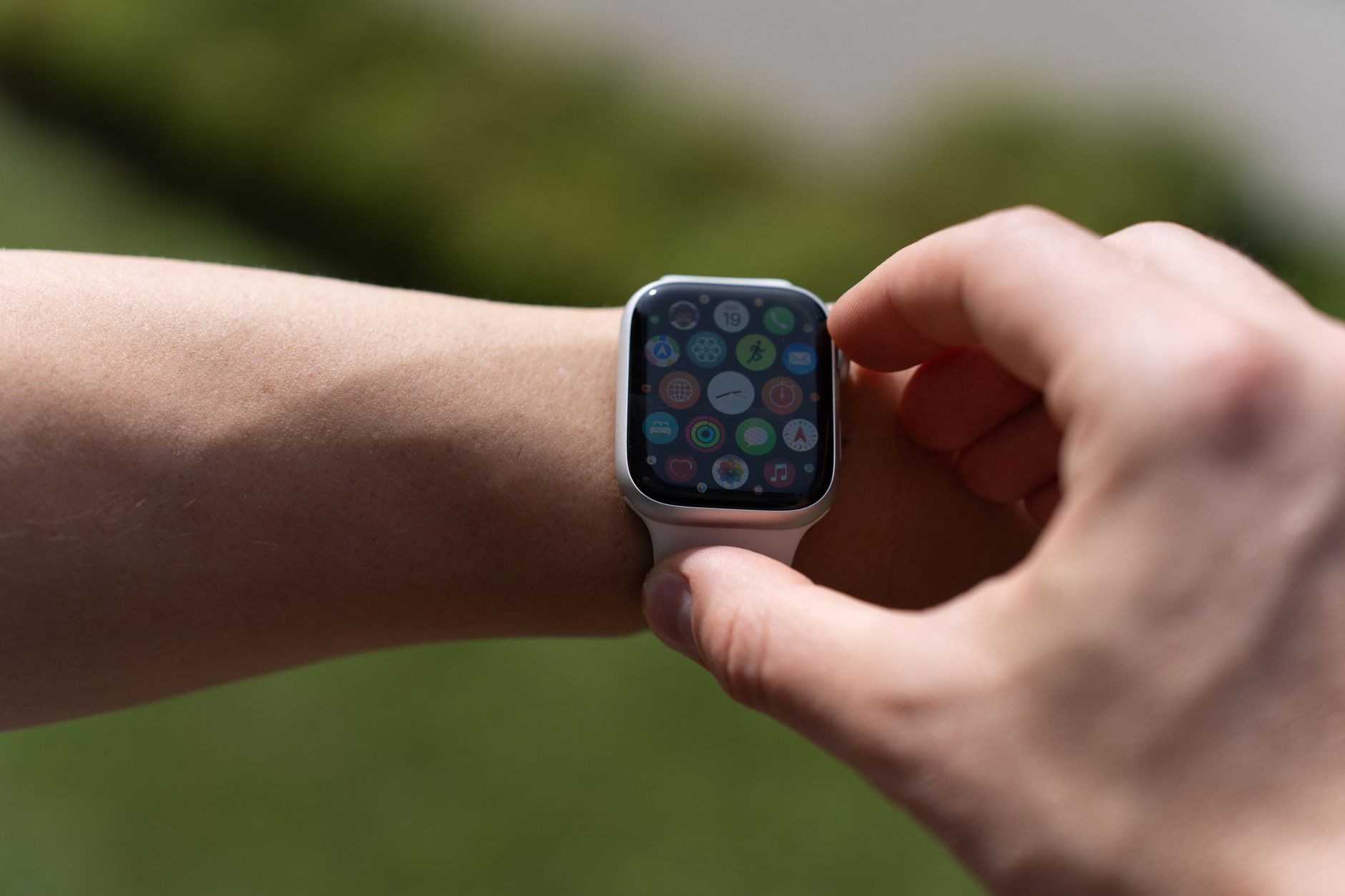
- The upcoming Apple Watch is anticipated to feature an advanced OLED display, promising enhanced visual clarity, deeper blacks, and improved energy efficiency compared to current models.
- Significant improvements in battery life are expected, potentially addressing one of the most persistent user pain points and allowing for more extensive use between charges.
- These upgrades suggest Apple is focusing on refining core user experience elements, aiming to solidify the Apple Watch's position as a leading wearable device in a competitive market.
- The integration of a new OLED panel could enable slimmer device designs or allow for larger battery capacities within the existing form factor.
- Industry analysts predict these enhancements will drive further adoption and potentially increase the average selling price of Apple Watch units in the coming fiscal year.
- While specific details remain speculative, the consistent rumors point towards a substantial evolution rather than a minor iterative update for the next generation.
Background
The Apple Watch has evolved considerably since its debut in 2015, transforming from a niche accessory to a ubiquitous health and communication hub for millions. Early models focused on basic notifications and fitness tracking, but subsequent generations have introduced sophisticated health sensors, cellular connectivity, and a robust app ecosystem. This iterative development has established a loyal user base and a strong market presence, yet certain core functionalities, particularly battery longevity, have remained a consistent area for user feedback and industry expectation. Apple has consistently pushed the boundaries of miniaturization and power management, but the demands of a vibrant, always-on display and advanced sensor arrays present ongoing engineering challenges. The company's commitment to refining the user experience is evident in its steady stream of software updates and hardware improvements, aiming to integrate the watch seamlessly into users' daily lives.
OLED technology has been a cornerstone of Apple's display strategy across its product lines, including iPhones and iPads, for years. Its inherent advantages—individual pixel illumination allowing for perfect blacks, infinite contrast ratios, and superior power efficiency when displaying dark content—make it an ideal candidate for wearable devices where battery life is paramount. While Apple has utilized OLED for the Apple Watch for some time, continuous advancements in panel manufacturing, such as improved brightness, color accuracy, and durability, are always on the horizon. The transition to a new or significantly upgraded OLED panel could unlock new design possibilities, enable brighter and more vivid displays for outdoor visibility, or contribute to the overall power savings that lead to extended battery performance. This technological refinement is crucial for maintaining a competitive edge in the rapidly evolving smartwatch market.
Battery life remains a critical differentiator in the smartwatch industry. While many users have adapted to daily charging routines for their Apple Watches, a persistent desire for multi-day usage persists. Competitors have experimented with various battery technologies and power management strategies, some offering significantly longer endurance, albeit often with trade-offs in features or display quality. Apple's approach has typically prioritized a rich feature set and seamless performance, managing battery life through software optimizations and efficient hardware integration. However, the market pressure to extend usage time between charges is undeniable. Rumors of a substantial battery life boost suggest Apple may be on the cusp of a breakthrough, potentially through a combination of more efficient display technology, optimized internal components, and perhaps even a slight increase in physical battery size, which would be a welcome development for all users.
Why It Matters
The potential upgrades to the Apple Watch's OLED display and battery life are not merely incremental improvements; they represent a significant step towards realizing the full potential of wearable technology. A superior display enhances every interaction, from checking notifications at a glance to viewing detailed health metrics or navigating maps. Deeper blacks and higher contrast ratios make content more legible and visually appealing, especially in varied lighting conditions. More importantly, a substantial boost in battery life directly addresses a primary user concern, liberating wearers from the anxiety of a dying device mid-day or during extended activities like hikes or travel. This could fundamentally change how people perceive and utilize their smartwatches, moving them closer to being indispensable, always-on companions rather than devices requiring constant attention.
For Apple, solidifying the Apple Watch's leadership in the premium smartwatch segment is crucial. Continuous innovation is necessary to fend off increasing competition from established tech giants and emerging players, many of whom are aggressively targeting the health and fitness tracking market. By enhancing core components like the display and battery, Apple signals its commitment to refining the user experience and maintaining its technological edge. These upgrades could drive sales of the next generation, encourage upgrades from older models, and reinforce the Apple Watch's ecosystem advantage. Furthermore, advancements in display and battery technology often have ripple effects, potentially influencing future iPhone or iPad designs and contributing to Apple's overall technological roadmap.
The implications extend beyond individual users and Apple's market share. A more capable and longer-lasting smartwatch has broader societal impacts, particularly in health monitoring and personal safety. Extended battery life enables continuous tracking of vital signs, sleep patterns, and activity levels over longer periods, providing richer data for users and healthcare professionals. Features like fall detection or emergency SOS become more reliable when the device is less likely to be powered down. As smartwatches become more integrated into our lives, their reliability and performance become increasingly important, influencing everything from personal wellness journeys to emergency response capabilities. This next-generation Apple Watch could therefore play an even more significant role in promoting healthier lifestyles and enhancing personal security.
Ground Reality
The current Apple Watch Series 9, while a capable device, still adheres to a daily charging cycle for most users engaging with its full suite of features. Intensive use, including GPS tracking during workouts, frequent notifications, cellular calls, and utilizing the always-on display, can deplete the battery significantly within a 12-18 hour window. While Apple has made strides in power efficiency with each generation, the fundamental limitations of battery technology in such a compact form factor remain a persistent challenge. Users often find themselves strategically managing features, disabling the always-on display, or limiting background app refresh to extend battery life beyond a single day. This reality necessitates a charging routine that, for many, involves plugging in the device every night, making overnight sleep tracking less seamless without specific charging considerations.
The OLED displays on current Apple Watches offer excellent contrast and vibrant colors, but they are also a significant power draw, especially when the always-on display feature is active. While OLEDs are more efficient than traditional LCDs when displaying dark content, the constant need for illumination, even at low brightness for the always-on function, contributes to battery drain. Furthermore, the processing power required to run complex apps, monitor multiple health sensors simultaneously (like ECG, blood oxygen, and heart rate), and maintain cellular connectivity all place substantial demands on the battery. The physical constraints of the Apple Watch's size limit the potential for larger battery cells, meaning that significant gains in endurance often rely heavily on software optimizations and component efficiency improvements.
In the broader wearable market, battery life expectations vary widely. Some smartwatches prioritize extreme longevity, offering weeks or even months of use by sacrificing advanced features, color displays, or app capabilities, opting for simpler monochrome screens and basic notification functions. Others, like the Apple Watch, aim for a balance between rich functionality and acceptable battery performance. However, the user perception of 'acceptable' is subjective and often influenced by marketing and competitive offerings. For a premium device like the Apple Watch, where users expect cutting-edge technology and seamless integration, a battery life that necessitates daily charging can be perceived as a drawback, especially when compared to the multi-day endurance offered by some competitors in specific use cases.
What Experts Are Saying
Tech analysts widely anticipate that Apple's next smartwatch iteration will incorporate significant display advancements, likely leveraging next-generation OLED technology. Ming-Chi Kuo, a prominent Apple analyst, has frequently suggested that micro-LED displays might be on the horizon for future Apple Watch models, but near-term upgrades are more likely to focus on refining existing OLED panels for better power efficiency and visual performance. He notes that improvements in panel manufacturing could lead to brighter screens, better color saturation, and crucially, reduced power consumption, which directly translates to extended battery life. This focus on efficiency is seen as a strategic move to address a key user pain point and maintain the Apple Watch's competitive edge against rivals who often tout longer battery endurance.
Industry observers suggest that Apple is exploring various avenues to enhance battery performance, including not just display efficiency but also more power-frugal processors and optimized software. The integration of a more advanced System in Package (SiP) could allow for greater performance within a smaller, more energy-efficient footprint. Furthermore, sources within the supply chain hint at potential minor adjustments to the device's internal architecture to accommodate slightly larger batteries without significantly altering the familiar design. This multi-pronged approach—optimizing the display, silicon, and physical battery capacity—is seen as the most plausible strategy for achieving a noticeable improvement in multi-day usage, a feature highly coveted by a significant portion of the user base.
The potential for a significantly improved OLED screen also opens up possibilities for new user interface elements and richer visual experiences on the Apple Watch. Experts believe that enhanced display capabilities could enable more complex watch faces, more interactive complications, and potentially even new types of applications that take better advantage of screen real estate and visual fidelity. While battery life remains the headline improvement, the synergy between a better display and longer endurance could unlock a new level of utility and engagement for the Apple Watch, further cementing its role as a central device in Apple's expanding ecosystem. The focus on these core hardware improvements signals Apple's ongoing commitment to refining the fundamental user experience.

Frequently Asked Questions
What Happens Next
The tech world will be closely monitoring Apple's official communications and subsequent product announcements for confirmation of these rumored upgrades. Leading up to the typical September launch window, more leaks and supply chain insights may emerge, offering further clarity on the specific technologies being implemented. Industry analysts will continue to refine their predictions based on this evolving information, providing context on the potential market impact and competitive landscape shifts. Consumer anticipation is likely to build as the potential for a more visually impressive and longer-lasting Apple Watch becomes clearer, influencing purchasing decisions for those considering an upgrade or a first-time purchase.
Following an official announcement, the focus will shift to in-depth reviews from tech publications and influencers. These reviews will rigorously test the new display capabilities and battery performance claims, providing real-world usage data and comparisons to previous models and competitors. User feedback will then become paramount as the device enters the hands of the general public. Early adoption trends, software compatibility assessments, and long-term reliability reports will shape the narrative around the next Apple Watch. This post-launch evaluation phase is critical for understanding the true impact of the technological advancements and their reception by the market.
Ultimately, the success of the next Apple Watch generation will be measured by its adoption rate and its ability to further integrate into users' daily lives and the broader Apple ecosystem. If the rumored display and battery improvements deliver on their promise, they could set new benchmarks for the smartwatch industry, encouraging further innovation across the board. Apple's ability to successfully execute these upgrades will reinforce its position as a leader in wearable technology and demonstrate its continued commitment to enhancing the user experience through iterative yet impactful hardware advancements.














Comments
No comments yet. Be the first to comment!