

Key Takeaways
- The overwhelming majority of emerging infectious diseases, including COVID-19, originate from animals, underscoring the critical need to monitor these zoonotic spillover events diligently.
- A robust, globally coordinated disease surveillance system is paramount for detecting novel pathogens early, allowing for rapid response and containment before they escalate into widespread epidemics or pandemics.
- The "One Health" approach, which integrates human, animal, and environmental health perspectives, offers the most comprehensive and effective strategy for understanding and mitigating zoonotic risks.
- Under-resourced regions, particularly in low-income countries, represent significant blind spots in global surveillance networks, creating vulnerabilities that can compromise health security worldwide.
- Proactive investment in diagnostic capabilities, laboratory infrastructure, and skilled public health workforces is essential to transform reactive crisis management into preventative global health resilience.
- International collaboration, data sharing, and policy harmonization are not merely beneficial but absolutely indispensable for building an interconnected defense against cross-border pathogen threats.
Background
The history of human civilization is punctuated by devastating pandemics, many of which trace their origins back to zoonotic events—diseases leaping from animal hosts to human populations. From the Black Death, potentially linked to rodents, to more recent outbreaks like SARS, MERS, Ebola, and the current COVID-19 pandemic, the pattern is starkly clear. These pathogens exploit the increasingly intertwined relationship between humans, livestock, and wildlife, often exacerbated by habitat encroachment, intensive farming practices, and globalized travel, creating fertile ground for novel viruses and bacteria to emerge and spread.
The sheer volume of potential zoonotic threats is staggering; scientists estimate that thousands of viruses circulate in animal populations with the potential to infect humans. This biological reservoir represents a constant, evolving challenge to global health security. Understanding the ecological dynamics that facilitate these jumps—such as deforestation bringing humans into closer contact with wildlife, or the trade in exotic animals—is fundamental. Without a deep comprehension of these complex interfaces, humanity remains perpetually vulnerable to the next unforeseen pathogen, which could emerge from any corner of the planet.
Historically, our response to such threats has largely been reactive, scrambling to contain outbreaks after they have already gained a foothold. However, the economic and human toll of recent pandemics has underscored the unsustainable nature of this approach. The imperative now is to shift towards proactive prevention, focusing on early detection at the animal-human interface. This strategic pivot requires a fundamental rethinking of how we monitor, share information, and respond to potential threats, moving beyond national borders to embrace a truly global, interconnected defense mechanism.
Why It Matters
The devastating impact of the COVID-19 pandemic serves as a stark, recent reminder of why robust global disease surveillance is not merely a public health concern but an existential imperative. Beyond the tragic loss of millions of lives, the pandemic triggered unprecedented economic disruption, strained healthcare systems to their breaking point, and exposed profound societal inequalities. Future zoonotic outbreaks carry the potential for similar, or even greater, catastrophe, threatening to unravel decades of progress in development, education, and global stability. The cost of inaction far outweighs the investment required for comprehensive preventative measures.
In an era of hyper-connectivity, a pathogen emerging in a remote village can traverse continents within hours, transforming a local cluster into a global crisis before the world even registers its presence. This interconnectedness means that no nation is an island when it comes to infectious diseases; the health security of one country is inextricably linked to the health security of all others. Weak links in the global surveillance chain—whether due to lack of resources, political instability, or insufficient infrastructure—create vulnerabilities that imperil everyone, making collective investment and shared responsibility non-negotiable.
Beyond the immediate human and economic costs, unchecked pandemics erode public trust in institutions, exacerbate geopolitical tensions, and divert critical resources from other pressing global challenges like climate change and poverty alleviation. A robust surveillance system acts as an early warning shield, providing the crucial window of opportunity needed for rapid scientific response, vaccine development, and targeted public health interventions. This proactive approach not only saves lives and livelihoods but also safeguards the very fabric of global society, ensuring a more stable and resilient future for all.
Ground Reality
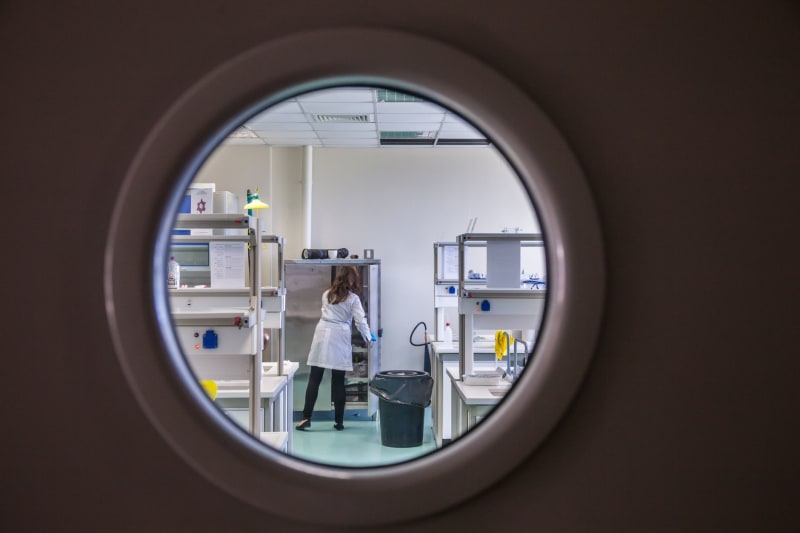
Despite the clear and present danger, the current state of global disease surveillance remains fragmented and uneven, particularly in regions most prone to zoonotic spillover. Many low- and middle-income countries, often biodiversity hotspots with high human-animal interaction, lack the fundamental infrastructure, trained personnel, and diagnostic capabilities to effectively monitor emerging pathogens. This creates dangerous blind spots, allowing novel viruses to circulate undetected for extended periods, silently gaining mutations and spreading before they are identified, often too late for effective containment.
Resource scarcity is a pervasive challenge. Public health laboratories in many vulnerable areas operate with outdated equipment, insufficient funding for reagents, and a critical shortage of skilled epidemiologists, veterinarians, and laboratory technicians. This systemic underinvestment means that even when unusual disease patterns are observed, the capacity to investigate, diagnose, and report them promptly is severely hampered. The reliance on external aid, while crucial, often leads to project-based, unsustainable solutions rather than the integrated, long-term national capacities truly needed for robust surveillance.
Furthermore, political will and cross-sectoral collaboration are frequently lacking. Effective zoonotic disease surveillance demands seamless cooperation between human health, animal health, and environmental agencies—a core tenet of the "One Health" approach. However, bureaucratic silos, competing priorities, and inadequate data-sharing mechanisms often impede this essential integration. Without a unified strategy and sustained commitment from national governments and international bodies, the global community will continue to struggle in its efforts to anticipate and neutralize the next pandemic threat at its source.
What Experts Are Saying
Leading epidemiologists and public health experts universally emphasize the urgent need for a paradigm shift in global health security, moving from reactive crisis management to proactive prevention. They advocate for substantial, sustained investment in strengthening national public health infrastructures, particularly in regions identified as high-risk for zoonotic emergence. This includes not only advanced laboratory equipment and diagnostic tools but also comprehensive training programs for local scientists, veterinarians, and community health workers, empowering them to detect and respond to threats at the grassroots level.
A central tenet of expert consensus is the indispensable role of the "One Health" approach. Professionals from diverse fields—human medicine, veterinary science, ecology, and environmental science—must collaborate seamlessly to understand the complex interplay driving zoonotic spillover. This integrated strategy involves shared data platforms, joint research initiatives, and coordinated policy development to address health risks at the intersection of humans, animals, and their shared environment. Without breaking down traditional disciplinary silos, our ability to predict and mitigate future pandemics will remain severely limited.
Experts also highlight the critical importance of international cooperation and equitable access to resources. Organizations like the World Health Organization (WHO), the Food and Agriculture Organization (FAO), and the World Organisation for Animal Health (WOAH) are seen as pivotal in coordinating global efforts, setting standards, and facilitating rapid information exchange. There's a strong call for high-income nations to support low-income countries not just with emergency aid, but with long-term capacity building, technology transfer, and equitable access to vaccines and treatments, recognizing that global health security is a shared responsibility benefiting all.
Frequently Asked Questions
What Happens Next
The urgency of strengthening global disease surveillance cannot be overstated; the window of opportunity to implement robust preventative measures is narrowing with each passing year. Governments worldwide must move beyond rhetoric and commit to substantial, long-term financial investments in national public health infrastructures, particularly in regions identified as high-risk for zoonotic spillover. This includes not only upgrading laboratory facilities and diagnostic technologies but also fostering a new generation of skilled epidemiologists, veterinarians, and public health professionals capable of operating at the front lines of disease detection and response.
International cooperation and the seamless sharing of data are absolutely critical for building an effective global defense network. Organizations like the World Health Organization (WHO), the Food and Agriculture Organization (FAO), and the World Organisation for Animal Health (WOAH) must be empowered and adequately funded to coordinate efforts, standardize protocols, and facilitate rapid information exchange across borders. Establishing clear, legally binding frameworks for data sharing and joint response mechanisms will ensure that emerging threats are identified, tracked, and contained with unprecedented speed and efficiency, minimizing their potential to escalate.
Ultimately, the path forward demands a holistic, "One Health" approach that transcends traditional disciplinary boundaries. This means integrating human, animal, and environmental health surveillance systems, recognizing that the health of one is intrinsically linked to the health of all. By investing in research that explores the ecological drivers of zoonotic emergence, developing innovative early warning technologies, and fostering sustained political will, humanity can shift from a reactive stance to a proactive defense, significantly reducing the likelihood and impact of the next inevitable pandemic.

















Comments
No comments yet. Be the first to comment!