

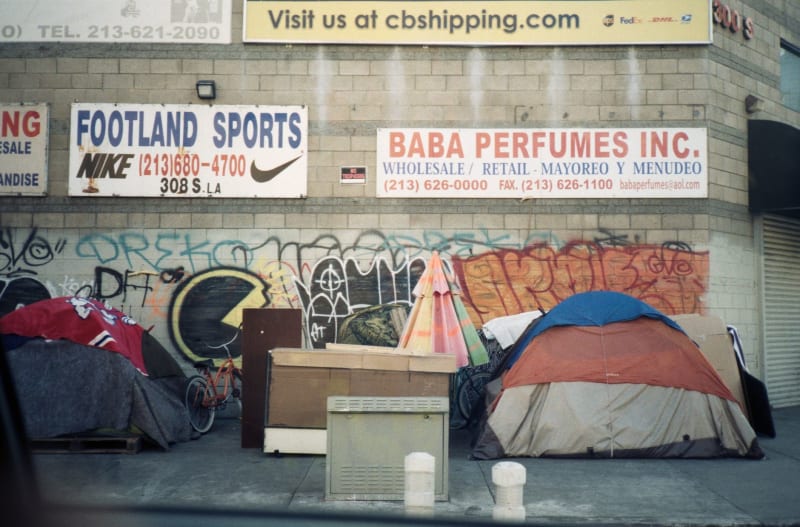
The Numbers
- Worcester's unsheltered population has seen a concerning increase, with recent counts indicating a significant rise in individuals living without stable housing, highlighting an escalating crisis that demands immediate and effective intervention strategies.
- The majority of individuals experiencing homelessness in Worcester report prolonged periods of instability, often exceeding six months, underscoring the deep-seated nature of their challenges and the inadequacy of short-term solutions currently in place.
- A substantial percentage of those affected by homelessness in the city cite a lack of affordable housing as the primary driver, coupled with insufficient access to mental health services and substance abuse treatment, pointing to systemic failures.
- Emergency shelter utilization rates consistently remain at or near capacity throughout the year, demonstrating an overwhelming demand for basic safety and shelter that current resources struggle to meet, leaving many vulnerable individuals without recourse.
- Data reveals a disproportionate impact on specific demographics, including veterans, families with children, and individuals with disabilities, indicating that targeted support programs are critically needed to address their unique circumstances effectively.
- Funding allocated to homelessness services, while present, has not kept pace with the rising costs of living and the increasing complexity of needs, creating a persistent gap between available resources and the actual support required by the community.
Context Check
Worcester's current approach to homelessness appears to be increasingly focused on enforcement and displacement rather than on addressing the underlying causes of housing insecurity. This reactive strategy, often involving the clearing of encampments and increased police presence in areas frequented by homeless individuals, does little to solve the problem and can exacerbate the trauma and instability experienced by those affected. Such measures often push vulnerable populations further into the margins, making it harder for outreach workers and service providers to connect them with essential resources like shelter, healthcare, and employment opportunities. The city's reliance on these punitive tactics suggests a misunderstanding of homelessness as a complex social issue rooted in economic hardship, mental health challenges, and systemic inequities, rather than a mere nuisance to be managed through policing.
The narrative often presented in public discourse and policy discussions frames homelessness as an individual failing or a public order problem, overlooking the broader societal factors at play. Economic downturns, the severe shortage of affordable housing units, stagnant wages, and inadequate social safety nets all contribute significantly to the rising rates of homelessness. Mental health and substance abuse issues, while often present, are frequently consequences of prolonged homelessness and trauma, not necessarily the sole or primary causes. By focusing on symptoms like loitering or encampments, the city risks criminalizing poverty and diverting attention and resources away from proven, long-term solutions such as supportive housing initiatives, robust mental healthcare access, and job training programs.
It is crucial to recognize that effective solutions require a fundamental shift in perspective, viewing homelessness as a community-wide challenge that necessitates a compassionate and collaborative response. This involves investing in preventative measures, expanding outreach services, and developing comprehensive support systems that address the multifaceted needs of individuals experiencing homelessness. Ignoring the systemic drivers and opting for short-term, punitive measures not only fails to resolve the crisis but also incurs greater social and economic costs in the long run, including increased healthcare expenditures, strain on emergency services, and a diminished quality of life for all residents. A proactive, human-centered approach is essential for building a more inclusive and supportive Worcester.
Background
Worcester, like many cities across the nation, has grappled with a persistent and growing homelessness crisis for years. The issue is not new, but recent economic pressures, including rising housing costs and stagnant wages, have significantly exacerbated the problem. Historically, the city has relied on a mix of emergency shelters, temporary housing programs, and some transitional housing options. However, these interventions often serve as temporary fixes rather than sustainable solutions, failing to address the root causes of housing instability for many individuals. The increasing visibility of encampments and individuals sleeping rough in public spaces has brought the issue to the forefront, prompting a public and political response that has, at times, leaned towards enforcement and removal.
The complexity of homelessness in Worcester stems from a confluence of factors, including a severe deficit in affordable housing stock, limited access to comprehensive mental health and addiction services, and a lack of robust job training programs tailored to the needs of vulnerable populations. Many individuals experiencing homelessness are not simply choosing to live on the streets; they are often victims of economic hardship, domestic violence, or untreated mental health conditions that make securing and maintaining stable housing incredibly challenging. The city's infrastructure for addressing these multifaceted needs has historically been strained, with resources often spread thin and unable to meet the escalating demand.
In recent years, there has been a noticeable shift in the city's operational approach, with an increased emphasis on managing visible homelessness through encampment sweeps and stricter enforcement of public space ordinances. While proponents argue these measures are necessary for public health and safety, critics contend they displace vulnerable individuals, disrupt outreach efforts, and fail to provide lasting solutions. This approach often overlooks the potential for collaborative strategies that integrate housing, healthcare, and support services, which have proven more effective in other municipalities. The ongoing debate reflects a fundamental tension between immediate public order concerns and the long-term imperative to address the systemic drivers of homelessness with compassion and efficacy.
Winners and Losers
In the context of a punitive approach to homelessness, those who benefit most are often those who advocate for stricter law enforcement and public order, framing the issue as one of crime and nuisance. This perspective can appeal to segments of the public concerned about visible homelessness, potentially leading to political gains or a perceived sense of restored order. Furthermore, private contractors involved in cleaning services or security might see increased business. However, these perceived 'wins' are often superficial and come at a significant human cost, failing to address the root causes and potentially leading to greater long-term expenses for the city through increased emergency service use and the criminalization of poverty.
The clear losers in a strategy that prioritizes criminalization over support are the individuals experiencing homelessness themselves. They face increased trauma, further marginalization, and greater barriers to accessing essential services like housing, healthcare, and employment. Displacement disrupts any fragile support networks they may have built and makes it harder for outreach workers to connect with them. Beyond the direct impact on the homeless population, the broader community also loses when resources are diverted to enforcement rather than to proven solutions. This approach fails to foster a compassionate and inclusive city, potentially leading to increased social division and a cycle of poverty and instability that affects everyone.
Service providers and non-profit organizations working on the front lines of homelessness are also often put in a difficult position. While they may receive some funding, their efforts can be undermined by city policies that focus on removal rather than on building trust and providing consistent support. They are tasked with helping individuals navigate complex systems and find stability, only to see their clients displaced or discouraged by enforcement actions. This creates a challenging environment for effective intervention and can lead to burnout among dedicated staff. A collaborative, service-oriented approach would empower these organizations and allow them to implement more impactful, long-term strategies.
Analyst Perspectives
Experts in urban planning and social policy consistently advocate for a 'housing first' model as the most effective strategy for addressing chronic homelessness. This approach prioritizes providing immediate access to permanent, independent housing without preconditions like sobriety or treatment compliance. Once housed, individuals are offered voluntary supportive services, such as mental healthcare, substance abuse counseling, and job assistance. Studies across numerous cities have demonstrated that this model not only significantly reduces homelessness but is also more cost-effective in the long run compared to managing homelessness through emergency services, shelters, and the criminal justice system. Ignoring this evidence-based approach and opting for punitive measures is a costly mistake.
Public health professionals emphasize that homelessness is fundamentally a public health issue, intricately linked to physical and mental well-being. Criminalizing homelessness, through measures like encampment sweeps or anti-loitering laws, directly harms the health of vulnerable individuals by increasing stress, trauma, and exposure to the elements, while simultaneously hindering access to healthcare. Effective solutions, they argue, must involve robust outreach teams that build trust, provide harm reduction services, and connect individuals with comprehensive healthcare, including mental health and addiction treatment. A compassionate, health-centered strategy is not only more humane but also demonstrably more effective at achieving lasting stability.
Economists and housing advocates point to the critical shortage of affordable housing as the primary driver of modern homelessness. They stress that without significant investment in building and preserving affordable housing units, any efforts to combat homelessness will ultimately fail. Policies that focus solely on enforcement or temporary shelter fail to address the fundamental market failure that makes housing unattainable for low-income individuals and families. Sustainable solutions require a multi-pronged approach that includes increased funding for housing subsidies, zoning reforms to allow for denser and more varied housing types, and stronger tenant protections to prevent displacement.

Key Questions Explained
The Outlook
The future trajectory of Worcester's homelessness crisis hinges critically on the city's willingness to pivot from punitive enforcement towards evidence-based, compassionate strategies. If the current trend of encampment sweeps and increased policing continues without a corresponding investment in affordable housing, mental health services, and robust support systems, the problem is likely to persist and potentially worsen. This path risks further marginalizing vulnerable populations, increasing long-term costs associated with emergency services and incarceration, and eroding the social fabric of the community. A sustained commitment to proven solutions, however, offers a hopeful alternative, paving the way for genuine progress and a more inclusive city.
A significant shift towards adopting a 'Housing First' model, coupled with substantial investment in the city's affordable housing stock and accessible mental health resources, could dramatically alter the outlook. Such a proactive approach would not only aim to house the unsheltered but also focus on prevention, helping individuals and families maintain stability before they reach a crisis point. This would require strong political will, community buy-in, and strategic allocation of resources, potentially involving partnerships with non-profits and state agencies. Success in this area would position Worcester as a leader in humane and effective homelessness solutions.
Ultimately, the long-term outlook depends on a collective re-evaluation of how homelessness is perceived and addressed. Moving beyond viewing it as a simple issue of public order and recognizing it as a complex societal challenge requiring systemic solutions is paramount. This involves sustained dialogue, data-driven policy-making, and a commitment to treating every resident with dignity. Without such a fundamental change in perspective and operational strategy, Worcester risks perpetuating a cycle of displacement and hardship, failing to achieve lasting solutions for its most vulnerable citizens and diminishing its potential as a thriving, equitable community for all.


















Comments
No comments yet. Be the first to comment!