
At a Glance
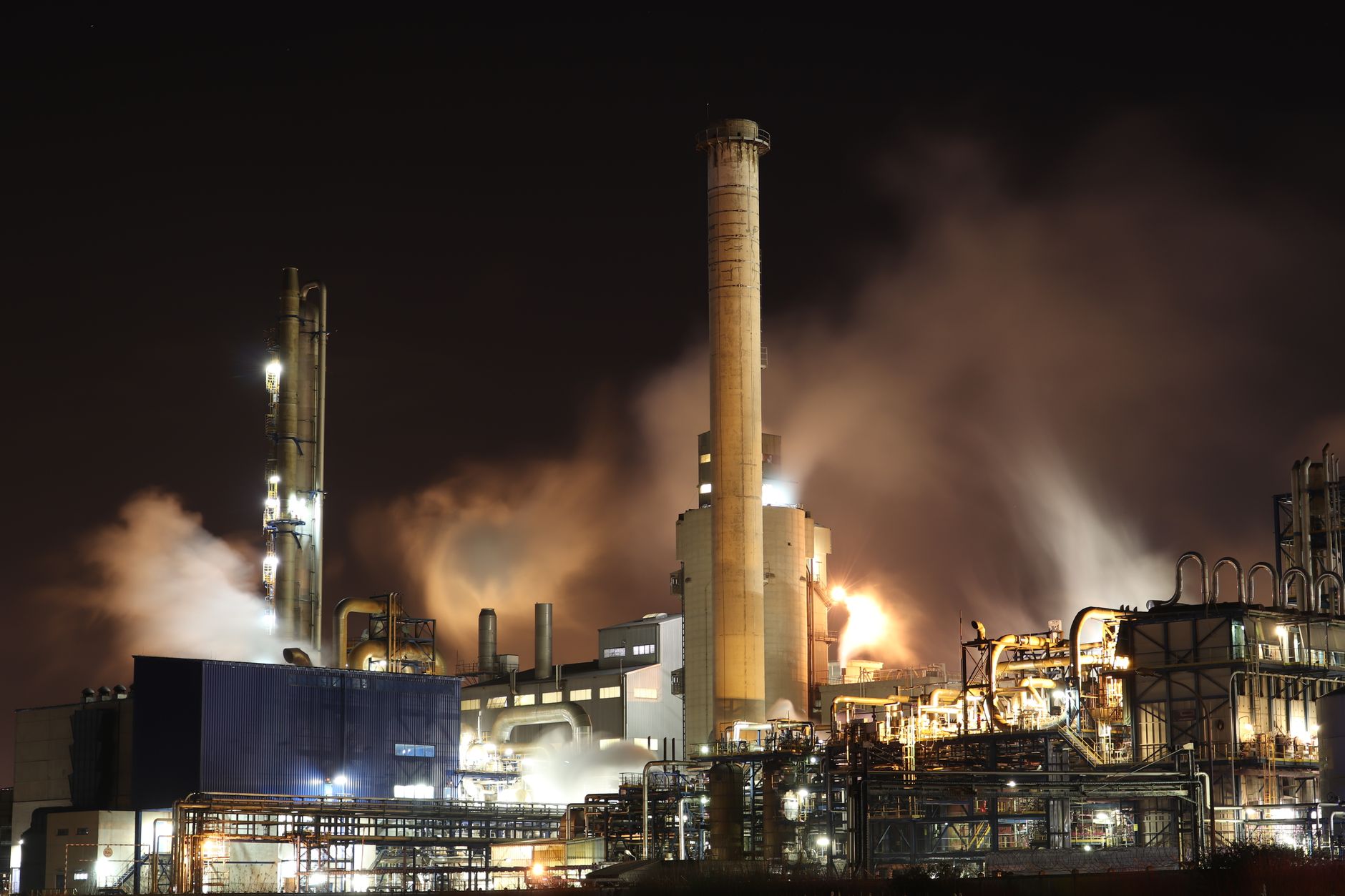
- Ukraine's General Staff officially confirmed strikes on a significant oil refinery in Russia's Krasnodar region, marking a direct hit on critical energy infrastructure within Russian territory.
- Simultaneously, Ukrainian forces targeted military installations and command centers located in Russian-occupied areas of Ukraine, underscoring a coordinated and multi-pronged operational strategy.
- The attacks reportedly caused substantial damage to the targeted oil facility, disrupting fuel production and supply chains crucial for the Russian military and economy.
- These recent operations represent an escalation in Ukraine's defensive posture, demonstrating an enhanced capability to strike deep within enemy lines and disrupt logistical support.
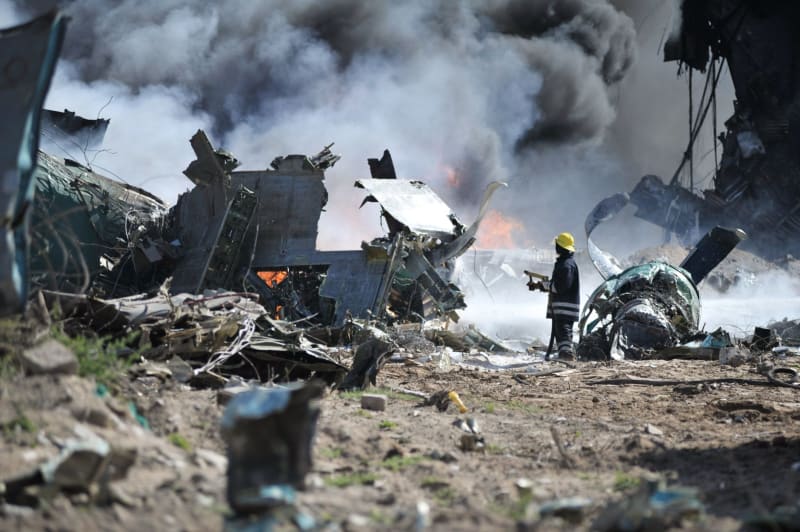
- Russian authorities have acknowledged the incidents, reporting drone attacks and subsequent fires, while downplaying the extent of the damage to maintain morale and control public narrative.
- International observers and military analysts view these strikes as a strategic move by Kyiv to degrade Russia's war-making capacity and pressure Moscow to reconsider its aggression.
The Record
Ukraine's General Staff issued an official statement confirming a series of successful strikes against key Russian military and economic targets. Among the most significant was the attack on an oil refinery situated in the Krasnodar region, a vital hub for fuel processing and distribution within Russia. This confirmation marks a definitive acknowledgment from Kyiv regarding operations deep within internationally recognized Russian territory, signaling a calculated shift in their strategic offensive and defensive operations. The precision and reach of these strikes underscore Ukraine's evolving capabilities in countering ongoing aggression.
Concurrently, Ukrainian forces also targeted several military installations and command centers located in Russian-occupied territories of Ukraine. These strikes, often involving drones and long-range missiles, aim to degrade Russia's logistical support, command and control infrastructure, and troop concentrations in areas like Crimea and parts of eastern Ukraine. The objective is clear: to disrupt the enemy's ability to wage war effectively and to create operational disadvantages on multiple fronts, thereby alleviating pressure on Ukrainian defensive lines.
The confirmed strikes on the Krasnodar refinery reportedly inflicted considerable damage, potentially impacting Russia's capacity to supply its military with essential fuels and lubricants, as well as affecting its domestic energy market. Such actions are designed to impose economic costs on the aggressor state, compelling a re-evaluation of its military campaign. While Russia typically downplays the severity of such incidents, the operational impact on fuel supply chains could be significant in the medium to long term, adding another layer of complexity to Moscow's war efforts.
Who Knew and When
Reports of drone activity and subsequent explosions in the Krasnodar region first emerged through local Russian Telegram channels and social media on the night of May 10th. Initially, Russian authorities provided limited details, often attributing incidents to unspecified "drone attacks" and emphasizing the swift response of emergency services. However, the scale and frequency of these reports quickly suggested a coordinated effort, leading to widespread speculation about Ukrainian involvement long before official confirmation.
Ukrainian officials maintained a period of strategic silence following the initial reports, a common tactic to assess damage, gather intelligence, and allow the psychological impact of the strikes to resonate. This deliberate delay in confirmation often serves to amplify uncertainty within the adversary's ranks and among its populace. The eventual official acknowledgment from Ukraine’s General Staff came after sufficient evidence, likely including satellite imagery and intelligence intercepts, corroborated the success and impact of their operations, reinforcing the credibility of their claims.
The targeting of the Krasnodar refinery aligns with a broader pattern of Ukrainian strikes on Russian energy infrastructure that began intensifying several months prior. This strategic shift was widely anticipated by military analysts, who had highlighted the vulnerability of Russia's vast, often poorly defended, energy network. The timing of the official confirmation, therefore, was less a revelation of the act itself and more a formal declaration of responsibility, underscoring Kyiv's resolve and its capacity to project power beyond the immediate front lines.
Voices from the Ground
Local residents in the Krasnodar region described scenes of alarm and disruption following the refinery strike. "The sky was lit up, and the explosions shook our windows for miles," recounted Svetlana Petrova, a resident of a nearby town, speaking anonymously for fear of reprisal. "We're used to air raid sirens, but this was different – a direct hit on something vital, right here." Such firsthand accounts, often shared cautiously through encrypted channels, paint a vivid picture of the immediate impact and the growing sense of vulnerability among the civilian population in border regions.
Russian state media, predictably, downplayed the severity of the attacks, focusing on the rapid response of firefighting crews and asserting minimal operational disruption. However, independent analysts and opposition media outlets quickly challenged these narratives, pointing to satellite imagery and social media videos that depicted extensive fires and damage. "The official line is always 'everything is under control,' but the smoke plumes tell a different story," noted a prominent Russian opposition blogger, highlighting the stark contrast between official statements and observable reality.
Ukrainian officials, while confirming the strikes, emphasized their adherence to international law by targeting legitimate military and infrastructure assets supporting the war effort. "These are not random acts; they are calculated responses to ongoing aggression, designed to degrade the enemy's capacity to continue its brutal war," stated a spokesperson for Ukraine's Ministry of Defense. This perspective frames the strikes as a necessary defensive measure, aiming to shift the burden of conflict onto the aggressor's logistics and economy, thereby creating pressure for an end to hostilities.
The Debate
The confirmed strikes have ignited a fervent debate among international legal scholars and military strategists regarding the permissible scope of defensive actions in wartime. While Ukraine asserts its right to target military-industrial infrastructure within Russia that directly supports the invasion, some international bodies express concern over potential escalation and the targeting of civilian-adjacent facilities. The core of the debate centers on proportionality and the definition of legitimate military targets when energy infrastructure, vital for both military and civilian use, is involved.
Western allies, while generally supporting Ukraine's right to self-defense, have offered nuanced reactions. Publicly, many reiterate support for Ukraine's sovereignty and territorial integrity, implicitly acknowledging Kyiv's right to defend itself by all means necessary. Privately, however, there are likely discussions about the risks of provoking a more severe Russian response or widening the conflict. The provision of long-range weaponry to Ukraine often comes with caveats about not using them on Russian territory, making drone strikes, which are often indigenously developed, a complex grey area.
Within Russia, the strikes are framed as acts of terrorism, aimed at civilian infrastructure, despite evidence suggesting military relevance. This narrative serves to rally domestic support for the war and justify retaliatory actions. The debate within Russia is less about legality and more about the effectiveness of air defense systems and the perceived vulnerability of its heartland. This internal discourse fuels calls for harsher measures against Ukraine, potentially leading to further escalation and a prolonged, more destructive conflict.

Your Questions Answered
What Accountability Looks Like
Accountability in the context of these strikes operates on multiple levels. For Ukraine, the accountability is to its own people and its international partners, demonstrating effective self-defense and strategic capability against an aggressor. The successful targeting of military-relevant infrastructure within Russia and occupied territories underscores Kyiv's commitment to defending its sovereignty and pushing back against the invasion. This form of accountability is about demonstrating operational effectiveness and strategic resolve in the face of ongoing aggression.
From Russia's perspective, accountability is framed differently. Moscow seeks to hold Ukraine accountable for what it labels as "terrorist acts" against its territory, using these incidents to justify its own retaliatory strikes and to garner domestic support for the war. However, the international community largely holds Russia accountable for initiating the full-scale invasion and for the widespread destruction and human rights abuses in Ukraine. The targeting of Russian infrastructure, while militarily strategic for Ukraine, is viewed by Moscow as a violation, further entrenching its narrative of victimhood.
Ultimately, true accountability for the conflict's broader impact rests with the international legal framework and the potential for future war crimes tribunals. While Ukraine's strikes are part of its self-defense, the overarching goal of accountability is to ensure that all parties adhere to international humanitarian law and that those responsible for initiating and perpetuating the conflict, particularly acts of aggression and atrocities, are brought to justice. The ongoing strikes, while tactically significant, underscore the urgent need for a diplomatic resolution that upholds international law and ensures lasting peace.


















Comments
No comments yet. Be the first to comment!