
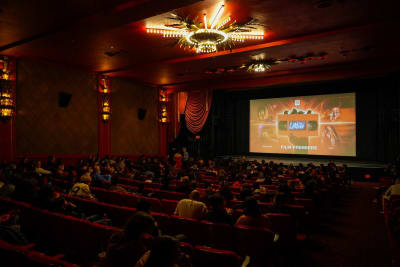
The flicker of the silver screen, once a democratic escape for all, now carries a price tag that gives many pause. Imagine a family of four, eager for a Saturday afternoon outing, faced with the prospect of shelling out $200 for tickets, popcorn, and drinks – a sum that would barely cover a week's groceries for some. This isn't a dystopian future; it's a rapidly approaching reality in many major cities, forcing a stark re-evaluation of what constitutes accessible entertainment in the United States. The recent surge in premium ticket pricing, coupled with the rising costs of other leisure activities, has ignited a quiet crisis, questioning the very fabric of shared cultural experiences. This isn't an overnight phenomenon. For decades, the cost of entertainment has been steadily climbing, outpacing inflation and wage growth for a significant portion of the population. The golden age of affordable cinema, often cited as a benchmark, feels like a distant memory. As multiplexes evolved into luxury venues with recliner seats, gourmet snacks, and immersive sound systems, the operational costs and perceived value increased, leading to tiered pricing structures that push the boundaries of affordability. This shift reflects broader economic trends, where essential goods and services consume a larger share of household budgets, leaving less discretionary income for activities once considered a simple pleasure. The current landscape sees a stark dichotomy. On one hand, blockbuster films and major sporting events command premium prices, with some IMAX or Dolby Cinema tickets approaching $25-$30 in select markets, and VIP experiences costing even more. On the other hand, streaming services offer vast libraries for a monthly fee, creating a bifurcated entertainment ecosystem. While convenient and often cheaper per view, streaming lacks the communal energy of a packed theater or the shared anticipation of a live event. This creates a dilemma: do you pay a significant sum for a singular, high-fidelity experience, or opt for a more fragmented, albeit cheaper, at-home consumption model? The implications of this trend are far-reaching. When cultural touchstones become prohibitively expensive, they risk becoming the exclusive domain of the affluent. This can lead to a societal disconnect, where shared experiences that once fostered common ground and conversation become inaccessible to the majority. Think of the water cooler talk after a widely seen film or the collective roar of a stadium crowd – these moments of shared humanity are being eroded. The risk is a cultural echo chamber, where only those with the financial means participate in and shape popular culture, potentially marginalizing diverse voices and perspectives. Several entities stand to gain from this premiumization of entertainment. The major studios and cinema chains, facing declining ticket sales in an era of abundant digital alternatives, see premium formats and elevated experiences as a crucial revenue stream. They argue that the enhanced features justify the higher cost and attract a segment of the audience willing to pay for exclusivity and superior quality. Investors in these entertainment conglomerates also benefit from increased profitability. Conversely, independent theaters, community arts organizations, and even families on tighter budgets stand to lose. They struggle to compete with the marketing budgets and technological investments of larger players, and their patrons may be priced out of the very cultural offerings they rely on. Consider the data: according to the National Association of Theatre Owners, the average ticket price in the U.S. hovered around $10.73 in 2023. While this figure might seem manageable, it masks the significant price hikes in premium formats and major metropolitan areas. Furthermore, this average doesn't account for the cost of additional purchases, such as concessions, which can easily double the outlay for a family outing. This illustrates how headline averages can obscure the lived financial realities of many Americans, where a single outing can represent a substantial portion of their entertainment budget. The future outlook is complex. While the allure of the big screen and live events remains strong, the economic pressures are undeniable. We may see a further bifurcation, with ultra-premium experiences for those who can afford them and a continued shift towards home-based entertainment for the masses. There's also a potential for innovative pricing models or community-driven initiatives to emerge, but these will require significant effort and investment to counter the market forces pushing towards exclusivity. What should consumers watch for? It will be crucial to observe how industry giants adapt their strategies beyond simply raising prices. Will they invest in more diverse and accessible content, or double down on high-margin, niche experiences? Pay attention to legislative discussions around arts funding and consumer protection in entertainment pricing. Furthermore, support for local cinemas, independent venues, and community arts programs will be a key indicator of whether shared cultural experiences can remain a vibrant part of the American fabric for everyone, not just a select few. The ongoing negotiation between accessibility and profitability will define the future of collective enjoyment.
In Brief
The rising cost of movie tickets and other cultural events is pushing them out of reach for average Americans, raising concerns about cultural accessibility and shared experiences.Advertisement




Comments
No comments yet. Be the first to comment!