
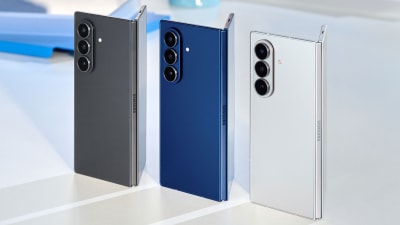
Just 5 years ago, the foldable smartphone market was virtually non-existent, a niche concept struggling with durability and practical usability. Today, this segment represents a significant, albeit still developing, portion of the premium smartphone sector, with sales figures showing a steady upward trend. This dramatic shift from a curiosity to a burgeoning category underscores a technological leap that has finally made folding screens a viable alternative to the ubiquitous 'slab' phone, though challenges remain. The journey began in 2019 with devices like Samsung's Galaxy Fold, which, while groundbreaking, were plagued by early-adopter woes. Reports of screen fragility, hinge malfunctions, and general unreliability created a perception that foldables were more fragile, expensive toys than everyday tools. These initial stumbles were significant, leaving many consumers hesitant to invest in technology that felt perpetually on the cusp of breaking. Early prototypes were often dismissed as impractical, highlighting a clear gap between the ambitious vision and the consumer-ready reality. Fast forward to the present, and the landscape has been reshaped by persistent innovation. Manufacturers have tackled the core issues head-on. Water and dust resistance, once a distant dream for folding devices, are now standard features, with many models achieving impressive IP ratings. The once-tenuous hinges have been refined, offering smoother operation and greater durability. Furthermore, battery life and processing power have largely caught up to their rigid counterparts, closing the performance gap that once defined the foldable experience. Today's foldable phones largely fall into two distinct categories: the compact 'flip' style, which transforms a standard-sized phone into a more pocketable form factor, and the larger 'book' style, designed for productivity and immersive viewing akin to a small tablet. While Samsung remains a dominant force, fierce competition has emerged from companies like Google, Motorola, Oppo, and Honor, offering a wider array of designs and price points, though not all are available in every market. This increased choice, however, can lead to consumer confusion, especially when comparing the feature sets and build quality across brands. The Motorola Razr 2025 exemplifies the evolution of the flip phone. While its design may not reinvent the wheel, its sturdy aluminum frame and redesigned titanium hinge have garnered praise from users for their resilience. The device boasts an IP48 rating, offering protection against submersion in water, though it cautions against significant dust exposure. This level of protection, while improved, still signals that certain environments, like dusty beaches, might warrant extra caution, a lingering trade-off for the compact form factor. Internally, the Razr 2025 features a dual-display setup, headlined by a 6.9-inch 120Hz OLED main screen and a 3.6-inch 90Hz OLED cover display. The ability to run a substantial portion of applications on the cover screen is a significant convenience, even if occasional aspect ratio adjustments are necessary. However, the performance, powered by the MediaTek Dimensity 7400X, is described as adequate for daily tasks but not exceptional, hinting at potential bottlenecks for power users or demanding applications. The social media sphere buzzes with a mix of awe and skepticism regarding foldable technology. Enthusiasts often share stunning photos and videos showcasing the devices' unique form factors and advanced displays. Yet, critical voices frequently emerge, highlighting concerns about long-term durability, repair costs, and the continued premium pricing. Viral videos demonstrating the folding mechanism or showcasing accidental damage often fuel these debates, contributing to a polarized public perception that mirrors the early days of other transformative technologies. This technological trajectory echoes the early adoption curves of other once-novel devices, such as the first mobile phones or early smartphones. Initially seen as expensive status symbols or cumbersome gadgets, they gradually shed their limitations, becoming indispensable tools for billions. The foldable phone's journey from a high-tech novelty to a potentially mainstream device reflects a similar pattern of iterative improvement, market expansion, and the slow but steady integration into daily life. The key difference is the inherent mechanical complexity, which introduces unique engineering challenges. Looking ahead, the foldable market will likely see continued refinement in hinge technology, display durability, and battery efficiency. The battle for market share will intensify as more manufacturers enter the fray, potentially driving down prices and making foldables more accessible. Consumer education regarding the specific benefits and limitations of each type of foldable will also be crucial for wider adoption. Ultimately, the success of foldables will depend on their ability to consistently deliver reliable performance and tangible advantages over traditional smartphones without demanding significant compromises from users. Consumers considering a foldable should research specific models extensively, paying close attention to user reviews focusing on long-term reliability and hinge performance. Exploring options beyond the major players might reveal hidden gems, but always verify warranty and repair policies. Keep an eye on software optimization for the unique dual-screen or foldable interfaces, as this greatly impacts usability. The next generation of foldables will likely address current pain points, so understanding these evolving trends will be key to making an informed purchase decision.
In Brief
Once a niche curiosity, foldable smartphones are rapidly evolving into practical, durable devices. This in-depth look explores their journey from fragile gadgets to pocket powerhouses and what the future holds.Advertisement



Comments
No comments yet. Be the first to comment!