
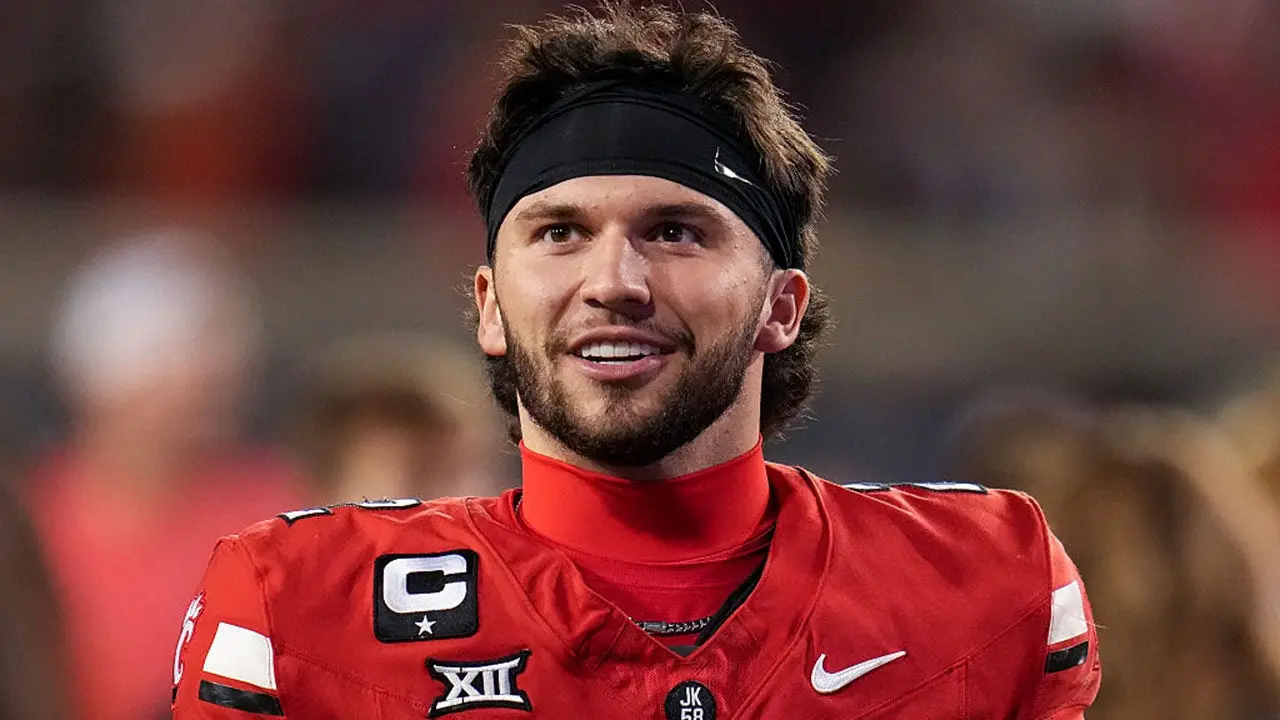
The simmering controversy surrounding Texas Tech quarterback Brendan Sorsby's alleged sports betting activities has dramatically escalated, shifting from an NCAA disciplinary matter to a high-stakes legal confrontation. Sorsby has reportedly enlisted Jeffrey Kessler, a legal titan known for navigating complex sports law battles, including Tom Brady's "Deflategate" defense and the landmark "House v. NCAA" case. This strategic move signals a profound challenge to the NCAA's authority and the prevailing interpretations of its amateurism rules, suggesting that Sorsby and his legal team intend to fight any eligibility sanctions with every available legal weapon. The initial allegations, which surfaced as Sorsby prepared to assume a pivotal role for the Red Raiders, center on potential violations of NCAA bylaws concerning student-athlete gambling. Sources close to the situation have indicated that the NCAA's investigation is scrutinizing Sorsby's betting activities, particularly those that may have occurred during his time on the Indiana University roster in 2022. While he redshirted that season and played in only one game, the NCAA's strict interpretation of its gambling policies often extends to any athlete betting on their own institution's games, irrespective of participation. This stance, reinforced by 2023 guidelines, carries the severe penalty of permanent loss of eligibility. Sorsby's proactive engagement with a gambling addiction treatment program underscores the personal struggles at play, but it does not automatically absolve him in the eyes of the NCAA. The governing body's rules on sports betting are designed to protect the integrity of competition and prevent conflicts of interest. However, Kessler's involvement injects a formidable legal counterpoint. His past successes, particularly in challenging the NCAA's long-held control over athlete compensation and eligibility through the "House v. NCAA" litigation, demonstrate an ability to reshape the landscape of college sports law. This precedent suggests Kessler may argue that current NCAA regulations are overly punitive or, in this specific context, unfairly applied. The legal strategy likely to be employed by Kessler and his team could explore several avenues. One possibility involves arguing for leniency based on Sorsby's commitment to treatment for his gambling addiction, framing the situation as a health issue rather than a wilful violation of rules. Another approach might challenge the breadth and enforcement of the NCAA's gambling policies themselves, potentially seeking a judicial review of the "reasonableness" or "fairness" of permanent ineligibility for certain betting infractions, especially if they did not impact game outcomes or involve insider information. The sheer complexity of applying a one-size-fits-all penalty to diverse situations, particularly in an era of widespread sports betting accessibility, could become a focal point of their defense. This situation has already ignited a firestorm on social media and within college sports discourse. Fans and analysts alike are debating the fairness of the NCAA's stringent rules, the potential impact on player movement and performance, and the growing normalization of gambling. Discussions range from sympathy for Sorsby's personal battle to frustration over the NCAA's perceived draconian penalties. The hire of Kessler, a figure synonymous with fighting the NCAA, has only amplified these conversations, with many anticipating a drawn-out legal drama that could set new precedents for athlete rights and responsibilities in the modern sports era. The ripple effects of this legal entanglement extend far beyond Sorsby's immediate future. For Texas Tech, the potential loss of their starting quarterback jeopardizes their season and recruiting momentum. More broadly, it highlights the precarious position many college athletes find themselves in as sports betting becomes increasingly integrated into the culture. The NCAA faces a critical juncture: uphold its existing framework, risking protracted legal battles and further alienating athletes, or adapt its policies to a new reality, potentially ceding ground it has historically defended fiercely. The financial implications for universities, athletic departments, and the NCAA itself are also considerable, as legal challenges can incur substantial costs and create uncertainty. Economically, the proliferation of legal sports betting, estimated to involve billions of dollars annually, creates a complex environment for college athletics. While it offers new revenue streams through sponsorships and advertising, it simultaneously introduces the challenge of policing athlete conduct. The NCAA's current rules, crafted before this widespread legalization, may be ill-equipped to manage the nuanced ethical and integrity issues that arise. Kessler's intervention could force a re-evaluation of how college sports manage athlete engagement with the gambling industry, potentially leading to revised guidelines that balance integrity with the realities of the modern economy. Looking ahead, the focus will be on how Kessler's legal team frames the case against the NCAA's enforcement division. Observers will watch for any preliminary injunctions or court filings that could provide immediate relief for Sorsby or signal the direction of the litigation. The NCAA, in turn, will likely present a robust defense of its rules and their necessity in safeguarding fair play. The outcome could significantly influence the future relationship between athletes, their institutions, and the governing bodies tasked with overseeing collegiate sports.
In Brief
Star quarterback Brendan Sorsby has hired "Deflategate" attorney Jeffrey Kessler to challenge NCAA gambling allegations. This legal maneuver could redefine athlete rights and NCAA enforcement.Advertisement


Comments
No comments yet. Be the first to comment!