
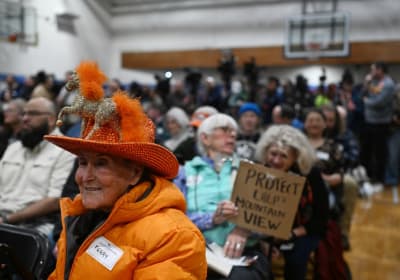
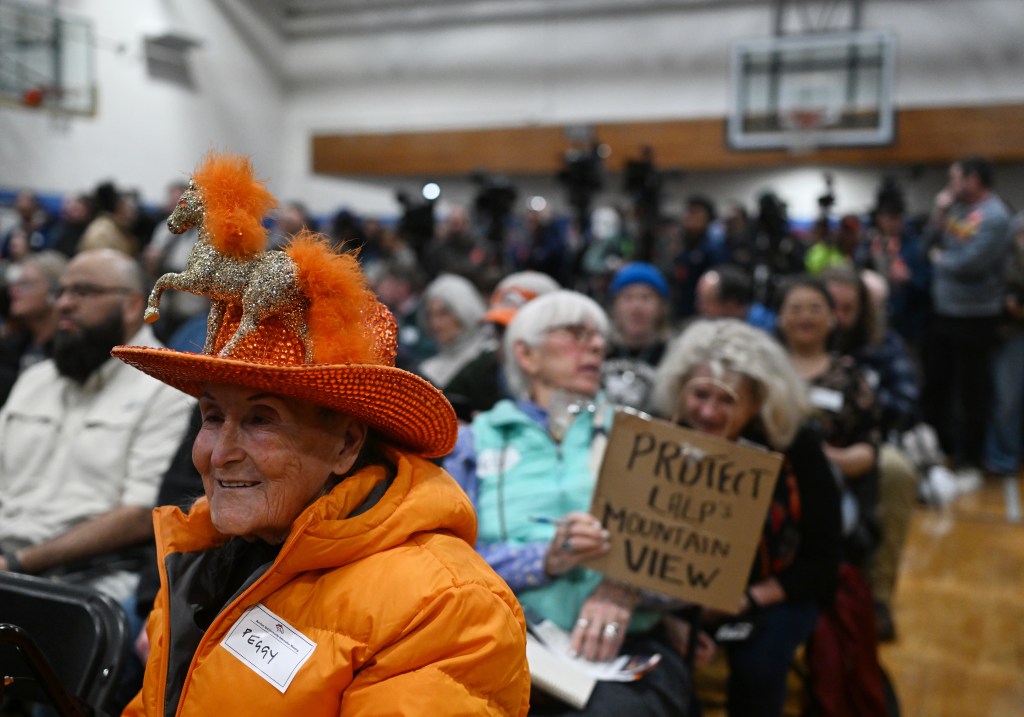
The roar of the crowd and the thrill of game day are central to the Denver Broncos' ambitious vision for a new stadium and entertainment district at Burnham Yard. Yet, beneath the gleaming blueprints and projected economic windfalls, a deep current of anxiety flows through the surrounding La Alma Lincoln Park neighborhood. Residents here fear that the very infrastructure designed to channel thousands of fans into a gleaming new hub could irrevocably fracture their historic community, pushing out long-time inhabitants and altering the neighborhood's character forever. The proposed expansion and rerouting of Eighth Avenue, a vital local artery, has become a focal point of this tension, raising stark questions about who benefits from progress and who bears its cost. This isn't the first time a major development project has cast a long shadow over Denver's established communities. Burnham Yard itself carries historical weight, a site once central to the lifeways of the Ute and Cheyenne tribes. Now, the land is slated for transformation, a process that echoes past urban planning decisions which often prioritized large-scale projects over the needs of existing residents. The Broncos' infrastructure master plan, submitted to the city in late March, meticulously details a five-zone stadium district, projecting traffic flow and access points. While the team frames this as a modernizing step, some community members view it as a potential catalyst for gentrification and displacement, questioning the "peace pipe" rhetoric that opened initial advisory meetings. At the heart of the current contention lies the proposed overhaul of Eighth Avenue. The Broncos' plan suggests a curved, expanded three-lane thoroughfare, a move designed to facilitate smoother ingress and egress for tens of thousands of fans on event days. This proposal, debated intensely in recent community advisory committee meetings, has drawn sharp criticism. While some, like Helen Giron-Mushfiq of the La Alma Neighborhood Association, acknowledge the need to manage game-day crowds effectively, others see the road expansion as a direct threat. "How would you like your displacement to look?" one neighborhood representative poignantly asked during a recent session, encapsulating the fear that the expanded avenue will become a barrier, physically and socially, isolating residents and potentially paving the way for increased property values that push affordable housing out of reach. The social media landscape reflects this deep division. Online forums and local social media groups are alight with passionate exchanges. Supporters herald the project as a vital economic engine for Denver, promising jobs, tourism, and a renewed sense of civic pride. They point to the potential for a vibrant, year-round destination that revitalizes a largely underutilized industrial site. Conversely, critics amplify concerns about traffic congestion, noise pollution, and the cultural erosion of La Alma Lincoln Park. Hashtags like #BroncosDevelopment and #LaAlmaVoices are increasingly used to organize opposition and share personal stories of potential hardship, demonstrating how digital platforms are becoming crucial battlegrounds for community advocacy in the face of large-scale urban change. Statistically, the proposed development aims to be a significant economic boon. While specific figures for the Burnham Yard project are still emerging, similar large-scale stadium districts in other cities have demonstrably increased local tax revenues and created thousands of jobs, both during construction and in ongoing operations. However, the benefits are not always evenly distributed. The Broncos organization and its development partners stand to gain immensely from increased property values, lucrative naming rights, and enhanced fan engagement. Conversely, the residents of La Alma Lincoln Park, particularly those in lower-income brackets, risk losing their homes, community cohesion, and access to affordable living if property taxes and rents skyrocket. The Colorado Department of Transportation and RTD, also represented on the advisory committee, face the complex task of balancing regional transportation needs with localized impacts. The city of Denver itself is navigating a delicate path. The municipal government is tasked with approving the Small Area Plan, a crucial step expected to come before the City Council later this year. Officials face pressure to balance the economic development promised by the Broncos with their responsibility to protect existing communities and ensure equitable growth. The process involves extensive public input, but the power dynamic between a major sports franchise and a neighborhood association is often asymmetrical. The city's role as mediator and regulator is critical, requiring robust oversight to ensure that community concerns are not merely heard, but meaningfully addressed in the final plans. Looking ahead, the path for the Broncos' stadium district is far from smooth. The current infrastructure plan is an "early step in a collaborative, ongoing process," as stated by the organization, implying flexibility. However, the intensity of community opposition suggests that significant concessions may be necessary. Key areas to watch include the final design and scope of the Eighth Avenue modifications, the city's commitment to affordable housing initiatives in the vicinity, and the ongoing dialogue between the Broncos, city officials, and the La Alma Lincoln Park residents. The success of this project will ultimately be measured not just by its economic impact, but by its ability to foster inclusive growth rather than exacerbate existing inequalities. Residents seeking to make their voices heard should engage directly with the Small Area Plan committee and city council representatives. Attending public hearings, submitting written comments, and participating in neighborhood association meetings are vital steps. Understanding the specific proposals and articulating clear, actionable concerns about traffic, displacement, and community preservation will be crucial. The long-term vitality of La Alma Lincoln Park depends on its residents' sustained and organized engagement throughout this critical planning phase, ensuring their neighborhood's future is shaped by their needs, not just by the economic aspirations of a football franchise.
In Brief
Denver Broncos' proposed stadium district at Burnham Yard faces strong community opposition over fears of displacement and infrastructure changes that could fracture the La Alma Lincoln Park neighborhood.Advertisement



Comments
No comments yet. Be the first to comment!