

The Story in Brief
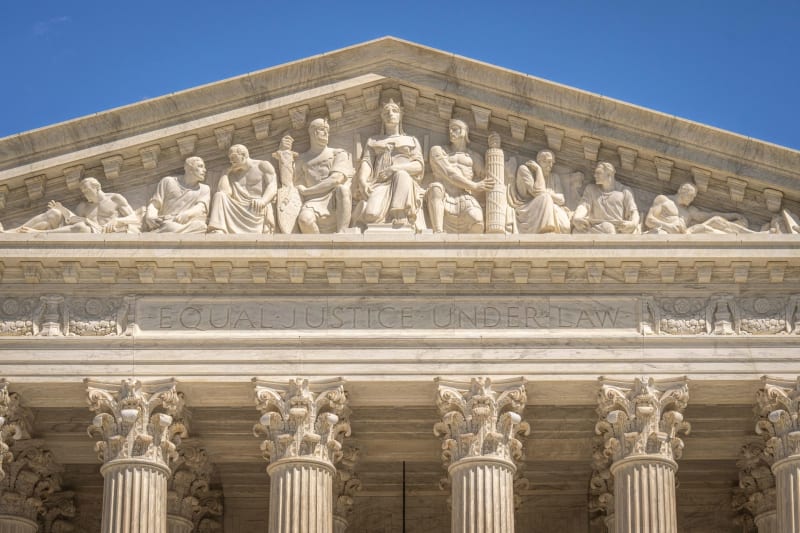
- The Supreme Court is currently reviewing the substantial E. Jean Carroll defamation verdict, focusing on the critical question of whether the evidence presented against Donald Trump was properly admitted.
- This high-stakes legal review centers on complex evidentiary rules and their application in defamation cases, potentially setting new precedents for how such claims are adjudicated, especially concerning public figures.
- The proceedings involve deep dives into the specific testimony and exhibits used in the lower courts, examining whether they met the legal thresholds for relevance and admissibility, which could have far-reaching implications.
- A key aspect of the review involves understanding how the admissibility of certain evidence might have influenced the jury's findings regarding both liability and the significant damages awarded to Ms. Carroll.
- The court's eventual ruling is anticipated to provide clarity on the boundaries of admissible evidence in defamation lawsuits, offering guidance for future legal battles and potentially impacting the landscape of public discourse and accountability.
- This case represents a significant moment for the judiciary, as it tackles a high-profile civil judgment and the intricate legal arguments surrounding its foundation, with national attention fixed on the outcome.
The Human Face
E. Jean Carroll's persistent pursuit of justice for alleged sexual assault and subsequent defamation has culminated in a landmark legal battle that now rests with the Supreme Court. Her unwavering stance against a former president, despite facing intense public scrutiny and legal challenges, highlights the profound personal toll such cases can exact. Carroll's narrative is one of courage, detailing years of alleged harassment and the subsequent damage to her reputation and emotional well-being, which she contends were exacerbated by Donald Trump's denials and counter-accusations.
The core of her claim revolves around Trump's repeated public statements dismissing her allegations as false and fabricated, which she argues constitute defamation. These statements, made over several years, not only wounded her personally but also, she contends, damaged her credibility and professional standing as a writer and journalist. The legal fight has been protracted, involving multiple trials and appeals, underscoring the arduous journey individuals often face when seeking accountability from powerful figures.
Donald Trump, as the defendant, has consistently denied Carroll's allegations, framing the lawsuit as politically motivated and a "witch hunt." His defense has focused on disputing the factual basis of the assault claims and challenging the legal grounds for defamation, particularly concerning the evidence presented and the damages awarded. The legal strategies employed by both sides reflect the high stakes involved, not only for the individuals but also for the broader implications concerning truth, reputation, and accountability in the public sphere.
How We Got Here
The journey to the Supreme Court began with E. Jean Carroll's initial lawsuit alleging sexual assault and defamation, filed after Donald Trump made public statements denying her accusations. The case gained significant traction due to New York's Adult Survivors Act, which provided a temporary window for older claims of sexual abuse to be brought forward. This legislative action was crucial, allowing Carroll to pursue her assault claim alongside her existing defamation case, which had been previously hampered by legal technicalities related to Trump's presidency.
The initial trials resulted in substantial jury verdicts in favor of Carroll, finding Trump liable for both sexual abuse and defamation. Specifically, a jury awarded her $5 million in compensatory and punitive damages in the first trial, finding that Trump had sexually abused and defamed her. Subsequently, a second trial focused solely on the extent of the damages related to defamation, leading to a much larger award of $83.3 million, reflecting the jury's assessment of the harm caused by Trump's continued public statements.
Donald Trump's legal team vowed to appeal these decisions, arguing that the evidence presented was insufficient and improperly admitted, and that the damages were excessive. These appeals led the case through various levels of the judicial system, ultimately reaching the Supreme Court. The core of the current Supreme Court review centers on a specific legal question certified by the Second Circuit Court of Appeals: whether statements made by Trump after his presidency, in response to the verdict, could be considered defamatory under New York law, and crucially, the admissibility of evidence used to establish his liability.
Why This Cannot Be Ignored
The Supreme Court's consideration of the E. Jean Carroll verdict carries profound implications for the future of defamation law, particularly concerning public figures and the boundaries of free speech. At its heart, the case probes whether a former president, or any prominent individual, can be held accountable for statements that allegedly cause significant reputational and emotional harm, even when those statements are made in response to legal proceedings or verdicts. The court's decision will clarify the legal standards for proving defamation, influencing how future lawsuits are filed and defended.
Furthermore, the focus on evidentiary standards is critical. If the Supreme Court finds that certain evidence was improperly admitted in the lower courts, it could set a precedent that makes it more difficult to hold individuals accountable for defamatory statements. This could embolden those in positions of power to engage in rhetoric that, while perhaps protected under broader free speech principles, causes demonstrable harm to individuals' reputations and livelihoods without adequate legal recourse.
The case also touches upon the public's right to know and the role of the judiciary in ensuring that truth and accountability prevail, even in highly politicized environments. A ruling that excessively shields public figures from defamation claims could have a chilling effect on victims' willingness to come forward and could erode public trust in the legal system's ability to deliver justice. Conversely, a ruling that upholds the lower court's decisions could reinforce the principle that no one, regardless of their status, is above the law when it comes to making false and damaging statements.
Possible Paths Forward
One primary path the Supreme Court might take is to affirm the lower court's rulings entirely, upholding both the jury's findings of liability and the substantial damages awarded to E. Jean Carroll. This outcome would signal that the evidentiary standards applied were appropriate and that Donald Trump's post-verdict statements were indeed defamatory. Such a decision would reinforce the existing legal framework for defamation and provide a strong precedent for holding public figures accountable for their words, potentially encouraging victims of defamation to pursue legal action with greater confidence.
Alternatively, the Court could decide to narrow the scope of liability or reverse parts of the lower court's decision based on the evidentiary arguments. This might involve finding that certain evidence was improperly admitted, thereby tainting the proceedings or influencing the jury's verdict unfairly. If this path is chosen, the Court could order a new trial with corrected evidentiary rules or reduce the awarded damages, significantly altering the financial and legal consequences for Trump and potentially setting a higher bar for future defamation plaintiffs.
A third possibility involves the Court issuing a ruling that focuses narrowly on the specific legal questions certified, providing guidance on evidentiary standards or the definition of defamation under New York law without necessarily overturning the entire verdict. This nuanced approach could offer clarity on specific legal points while leaving the broader implications of the case to be determined through future litigation. The Court might also choose to dismiss the case if it determines that the issues presented do not meet the threshold for Supreme Court review, though this is less likely given the significance of the underlying legal questions.

Questions People Are Actually Asking
What to Watch
- Pay close attention to the specific questions the Supreme Court justices pose during oral arguments, as these often reveal their primary concerns and potential leanings regarding the admissibility of evidence and defamation standards.
- Monitor any statements or filings from legal scholars and organizations that offer expert analysis on the potential impact of various ruling scenarios on defamation law and First Amendment protections.
- Track the timeline for the Supreme Court's decision, as the release of their opinion could occur anytime within the current term, and will be a pivotal moment for legal precedent.
- Observe how legal commentators and media outlets interpret the Court's ruling and its immediate aftermath, particularly regarding its implications for future high-profile defamation cases and public discourse.
- Consider the broader societal impact: will the ruling embolden those who wish to make damaging public statements, or will it reinforce the principle that accountability follows harmful falsehoods, regardless of status?
- Note any dissenting opinions that may be filed, as these can offer alternative legal interpretations and highlight areas of ongoing debate within the judiciary regarding free speech and reputational harm.
















Comments
No comments yet. Be the first to comment!