
The Story in Brief
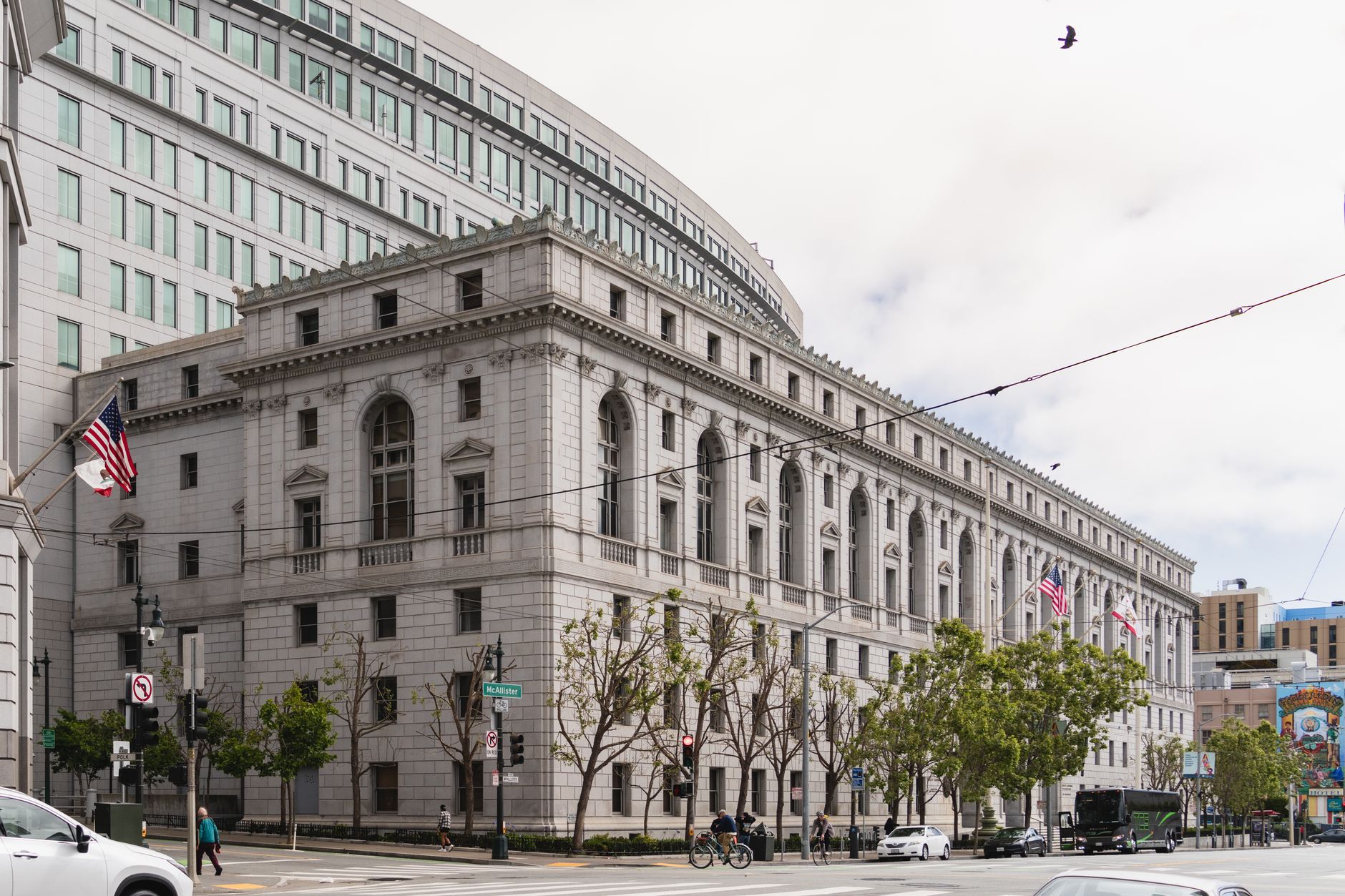
- A significant event scheduled to take place at San Francisco's prominent Civic Center Plaza has been unexpectedly canceled, disrupting plans for attendees and stakeholders.
- The abrupt cancellation has generated considerable speculation regarding the underlying reasons, which have not been fully disclosed by the organizing bodies or city officials.
- This development raises concerns about the feasibility and stability of hosting large-scale public events in one of San Francisco's most central and historically significant public spaces.
- Questions are emerging about the impact on local businesses, community engagement, and the broader perception of San Francisco as a venue for major public activities and celebrations.
- Further details are anticipated as organizers and city representatives are expected to provide more clarity on the circumstances leading to this unforeseen and disruptive decision.
- The cancellation underscores the complex logistical and administrative challenges inherent in managing major public events, particularly in dynamic urban environments like San Francisco.
The Human Face
The sudden cancellation of the Civic Center Plaza event has sent ripples of disappointment and frustration through the community. Many individuals and groups had invested significant time, resources, and emotional energy into preparing for this gathering, viewing it as a vital opportunity for connection, celebration, and civic engagement. Small business owners who had planned special offerings, artists who were set to perform, and local residents eager to participate now face the immediate fallout of this abrupt halt. The lack of clear communication surrounding the decision exacerbates the feeling of being disregarded, leaving many to grapple with uncertainty and the practical consequences of their unfulfilled plans. This event was more than just a date on the calendar; for many, it represented a culmination of efforts and a beacon of shared experience, the loss of which is keenly felt.
For vendors and performers, the cancellation translates directly into lost income and disrupted professional schedules. Many operate on tight margins, and the sudden loss of a confirmed event can have a cascading negative effect on their livelihoods. This is particularly true for independent artists and small businesses who rely on such opportunities to sustain their operations and reach new audiences. The emotional toll is also significant; the anticipation of showcasing their talents or services, coupled with the subsequent disappointment, can be demoralizing. These individuals and entities are now left to reconfigure their plans, seek alternative opportunities, and absorb the financial and personal impact of a decision made far above their direct influence, highlighting the vulnerability of those who form the backbone of public event economies.
Community members who had eagerly anticipated the event are expressing a mixture of confusion and dismay. For some, it was a chance to connect with neighbors, celebrate local culture, or advocate for important causes in a visible public forum. The loss of this shared space for interaction and expression leaves a void, particularly in a city that values its public squares as vital hubs for civic life. The abrupt nature of the cancellation, often communicated with minimal detail, fosters a sense of unease and questions the reliability of future public events. This sentiment can erode trust between residents and event organizers or city authorities, potentially impacting future participation and engagement with public initiatives.
How We Got Here
The journey to scheduling an event at San Francisco's Civic Center Plaza is typically a complex and multi-faceted process, involving extensive planning and coordination. Organizers must navigate a labyrinth of city permits, public safety regulations, and logistical requirements, often beginning their efforts months, if not years, in advance. Securing the venue involves demonstrating a clear purpose, outlining crowd management strategies, and ensuring compliance with various municipal codes designed to protect public safety and preserve the integrity of the historic plaza. This typically includes detailed proposals for sound systems, waste management, vendor coordination, and emergency preparedness, all subject to review and approval by multiple city departments. The process itself is a testament to the significant undertaking required to activate such a prominent public space for community use.
Once initial approvals are secured, the planning intensifies, focusing on the specific programming and operational details of the event. This phase involves engaging with various stakeholders, including local businesses, community groups, and potentially elected officials, to ensure broad support and address any potential concerns. Marketing and promotional efforts would typically commence, building anticipation and driving ticket sales or attendance registration. Simultaneously, detailed logistical arrangements are finalized, such as contracting security personnel, coordinating with sanitation services, and confirming vendor participation. The success of any event hinges on meticulous attention to these details, transforming a permit approval into a tangible, well-executed public gathering that benefits the community and adheres to all established guidelines.
The abrupt cancellation, however, suggests that unforeseen circumstances or critical issues arose late in the planning or execution phase, overriding the extensive groundwork laid. These could range from sudden safety concerns, unexpected logistical failures, or significant changes in regulatory requirements that rendered the event unfeasible. It is also possible that external factors, such as public health advisories or major civic disruptions, necessitated the decision. Regardless of the specific cause, the cancellation indicates a critical breakdown or an insurmountable obstacle that emerged despite the considerable effort invested in planning and obtaining the necessary authorizations, highlighting the delicate balance of factors that must align for such events to proceed.
Why This Cannot Be Ignored
The cancellation of an event at Civic Center Plaza, a location central to San Francisco's civic identity and public life, carries significant implications beyond the immediate disappointment of attendees. It raises critical questions about the city's capacity to host and manage public gatherings, potentially impacting its reputation as a vibrant cultural and economic hub. Such disruptions can deter future event organizers, leading to a reduction in cultural programming, economic activity, and opportunities for community engagement that these events typically foster. The plaza itself is a symbol of public access and democratic expression, and its unavailability or perceived unreliability for planned events can send a discouraging message about the city's commitment to facilitating such activities.
Furthermore, the lack of transparency surrounding the cancellation fuels speculation and can erode public trust. When citizens and stakeholders are not provided with clear, factual reasons for such decisions, it breeds uncertainty and can lead to perceptions of mismanagement or hidden agendas. This is particularly damaging in a public space intended for open access and community benefit. Understanding the root causes of the cancellation is crucial for identifying systemic issues within city planning, event permitting, or public safety protocols. Addressing these underlying problems is essential to prevent similar disruptions from occurring in the future and to ensure that Civic Center Plaza remains a viable and trusted venue for public assembly.
The economic consequences, though perhaps not immediately apparent, are also substantial. Events held in prominent public spaces often drive significant economic activity, benefiting local businesses, hospitality services, and the broader tourism sector. A cancellation means the loss of this anticipated revenue stream, impacting livelihoods and contributing to a less dynamic local economy. For the city, it represents a missed opportunity to showcase its offerings and attract visitors. Therefore, the decision to cancel, and the manner in which it is handled, has far-reaching effects that extend into the economic health and operational efficiency of San Francisco, demanding careful consideration and clear communication.
Possible Paths Forward
Moving forward, a primary objective should be to establish complete transparency regarding the reasons for the cancellation. A detailed, factual explanation, shared promptly with the public and all affected parties, is essential for rebuilding trust and understanding. This explanation should outline the specific issues encountered, whether they pertain to safety, logistical failures, regulatory changes, or unforeseen external factors. By providing a clear account, organizers and city officials can demonstrate accountability and foster a more informed dialogue about the challenges of hosting events in public spaces. This clarity is the first step toward addressing the root causes and preventing recurrence, ensuring that future endeavors are better prepared.
Secondly, a thorough review of the planning and approval processes for events at Civic Center Plaza is warranted. This review should identify any bottlenecks, ambiguities, or areas where communication between different city agencies and event organizers can be improved. Lessons learned from this cancellation should inform updates to permit requirements, safety protocols, and contingency planning. The goal is to create a more robust and predictable framework that anticipates potential challenges and provides clear pathways for resolution, thereby increasing the likelihood of successful event execution while maintaining the highest standards of public safety and civic responsibility.
Finally, exploring alternative venues or revised event formats could be a viable strategy for organizers who were impacted. While Civic Center Plaza holds unique significance, other locations within the city might offer suitable alternatives, perhaps with fewer logistical complexities or different regulatory considerations. Alternatively, organizers could consider scaling down the event, modifying its scope, or postponing it to a later date once the underlying issues have been fully resolved. This adaptive approach ensures that valuable community initiatives are not entirely lost and can still find a way to manifest, even if the original plan had to be abandoned due to unavoidable circumstances.
Questions People Are Actually Asking
What to Watch
- Closely monitor official statements from event organizers and San Francisco city officials for a detailed explanation of the cancellation's cause, moving beyond vague 'unforeseen circumstances.'
- Observe any subsequent announcements regarding potential rescheduling of the event or the exploration of alternative venues and dates for similar public gatherings.
- Track public and media reactions to the cancellation, paying attention to community feedback, calls for accountability, and discussions about the future use of Civic Center Plaza.
- Look for any policy changes or procedural updates implemented by city departments related to event permitting, public safety assessments, and logistical coordination in public spaces.
- Assess the financial impact on vendors, artists, and local businesses that were slated to participate or benefit from the event, and watch for any support or compensation measures offered.
- Note any broader implications for San Francisco's ability to host large-scale public events and how this incident might influence future city planning and event management strategies.












Comments
No comments yet. Be the first to comment!