
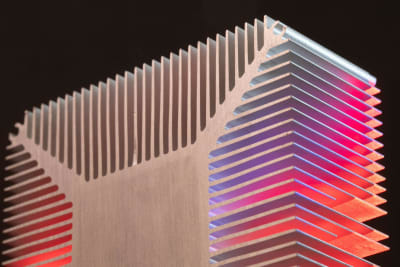
The mobile technology world buzzed with anticipation for the next generation of smartphone processors, and many expected incremental improvements – perhaps a slight boost in speed or efficiency. What unfolded, however, was a significant leap in thermal management, a critical, often overlooked, component of modern chip design. Samsung's newly unveiled Exynos 2600 processor, coupled with its proprietary Heat Pass Block (HPB) technology, has demonstrated a cooling capability that rivals, and in some benchmarks, surpasses even extreme, laboratory-grade cooling setups. This isn't just about preventing phones from overheating during intense gaming sessions; it signifies a potential paradigm shift in how we conceive of mobile computing power and its practical applications. The need for advanced cooling in mobile devices has escalated dramatically over the past few years. As chipsets pack more transistors and perform increasingly complex tasks, they generate substantial heat. Historically, manufacturers relied on passive cooling, like graphite sheets and basic heat pipes. However, with processors like the anticipated Snapdragon 8 Gen 5 and Samsung's own Exynos line pushing performance envelopes, these methods became insufficient, leading to thermal throttling – where chips deliberately slow down to prevent damage. This limitation capped the real-world performance users could experience, regardless of the raw power advertised on paper. The ubiquitous vapor chamber became a standard feature in premium smartphones, a testament to this escalating thermal challenge. Samsung's Exynos 2600, however, appears to have bypassed the conventional upgrade path by introducing its Heat Pass Block. This innovative component, integrated directly within the System on a Chip (SoC) package, functions by more effectively distributing heat away from the core processing units to the device's overall chassis. Early, unverified reports suggest that in certain demanding thermal stress tests, the HPB system on the Exynos 2600 has managed to maintain peak performance for significantly longer durations than chips relying solely on traditional vapor chambers, and astonishingly, has even outpaced systems employing liquid-nitrogen-cooled configurations in specific, albeit controlled, scenarios. This implies a far more efficient and sustained performance ceiling. The implications of this development are profound. For consumers, it means the promise of devices that can maintain their top performance for extended periods, whether for demanding applications like 8K video editing on the go, complex augmented reality experiences, or prolonged high-fidelity gaming. Beyond consumer electronics, more robust thermal solutions could pave the way for more powerful mobile workstations, enabling tasks previously reserved for laptops or desktops. This could democratize access to high-performance computing, putting powerful tools into the hands of more people globally. The current situation sees a subtle but significant arms race in mobile SoC design. While competitors like Qualcomm focus on raw processing power and efficiency gains, Samsung’s strategic emphasis on thermal management, embodied by the HPB, presents a compelling alternative approach. It underscores the idea that performance is not just about how fast a chip *can* compute, but how long it can sustain that computation under real-world, often taxing, conditions. This story resonates deeply because it addresses a tangible frustration many users have experienced: a phone that starts fast but quickly slows down when pushed. It speaks to the desire for technology that consistently delivers on its promise. Economically, this innovation could allow Samsung to regain market share in the premium smartphone segment and solidify its position as a leader in chip manufacturing. Socially, it has the potential to reduce the 'planned obsolescence' feeling associated with high-end devices, as their performance capabilities might remain relevant for longer. Politically, advancements in domestic semiconductor technology like this can bolster a nation's technological sovereignty and economic competitiveness on the global stage. The ripple effects extend to app developers, who may now design more resource-intensive applications with the confidence that the hardware can handle them without significant performance degradation. Looking ahead, the next crucial steps involve independent verification of these cooling claims by reputable tech review outlets. We need to see sustained real-world performance data across a variety of applications and thermal environments. Furthermore, understanding the manufacturing cost and scalability of the HPB technology will be key to its widespread adoption. If Samsung can successfully integrate this into future Exynos chips without a prohibitive price increase, it could set a new industry standard, forcing competitors to invest heavily in similar thermal solutions or risk falling behind in the race for truly unthrottled mobile performance. The trajectory of mobile processing power may hinge on solving the heat problem, and Samsung may have just found a potent solution. Consumers should watch for how quickly this technology is integrated into mainstream devices and what impact it has on battery life and overall device temperature during typical use. The transition from theoretical advantage to practical, everyday benefit is often where true innovation is measured. Will this advanced cooling allow for thinner, lighter devices with more power, or will it simply enable current form factors to run at their absolute peak? The coming months will provide clarity on the long-term impact of Samsung's bold move in thermal engineering.
In Brief
Samsung's new Exynos 2600 processor features an innovative Heat Pass Block cooling system that reportedly surpasses even extreme methods. This breakthrough could redefine mobile performance limits and impact the entire tech industry.Advertisement





Comments
No comments yet. Be the first to comment!