
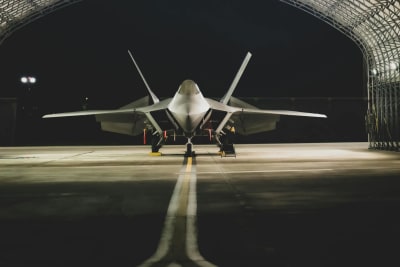
The defense world buzzed with the announcement of a novel spray-on coating, hailed by its creators as a game-changer for drone survivability. Expectations painted a picture of low-cost unmanned aerial vehicles becoming effectively invisible to radar, a capability previously exclusive to high-priced, sophisticated military platforms. This development, originating from a small Turkish defense startup, suggested a dramatic democratization of stealth technology, potentially altering the calculus of modern aerial warfare. However, the reality of such a breakthrough is always subject to rigorous scrutiny, and the initial claims, while tantalizing, require independent validation to move from laboratory marvel to battlefield reality. The innovation centers on a material dubbed "Kürşat 3.0," a radar-absorbent coating developed by researcher Yunus İnce and his team. Unlike the complex, multi-layered structures and specialized manufacturing processes associated with traditional stealth aircraft, this new coating is designed to be applied like paint. This simplicity of application is key to its potential appeal, promising a significant reduction in the radar cross-section of drones without demanding costly modifications or specialized infrastructure. The core components, reportedly volcanic basalt and pumice, offer a stark contrast to the advanced composites and metamaterials that have defined stealth technology for decades. Data presented by the startup indicates a remarkable radar signal attenuation of up to 43 decibels (dB). For context, many existing radar-absorbent materials achieve reductions in the range of 20 to 30 dB. If these figures hold up under independent testing, the Kürşat 3.0 coating would represent a substantial leap forward, offering a level of radar invisibility previously unattainable for low-cost drone platforms. This increased survivability could dramatically alter engagement dynamics, making it significantly harder for enemy air defenses to track and intercept these increasingly prevalent threats. The implications of such a development are profound, particularly in the wake of the widespread adoption of drones in recent conflicts. The war in Ukraine, for instance, has served as a stark demonstration of how inexpensive, one-way attack drones can disrupt supply lines, target armored vehicles, and exert sustained pressure on adversaries, all at a fraction of the cost of traditional air and artillery strikes. This has spurred an arms race in aerial defense, with nations rapidly deploying advanced electronic warfare systems and sophisticated radar networks to counter the drone threat. This new coating, if proven effective, directly addresses a critical vulnerability in drone operations. By reducing a drone's radar signature, it complicates the entire detection chain. This means that radar systems, the frontline of defense against aerial incursions, would have a much harder time acquiring targets. The added benefit of negligible weight and no need for airframe modifications makes the technology particularly attractive, as it can be applied to a vast array of existing and future drone designs without compromising performance or requiring significant logistical overhauls. The historical parallel to the initial development of stealth aircraft is undeniable. Early attempts at radar invisibility involved rudimentary methods, but the pursuit of an "invisible" aircraft became a paramount objective for major defense powers. The creation of specialized materials and aerodynamic designs aimed to bend radar waves away from the source, rendering aircraft undetectable. The advent of such advanced capabilities was, for decades, the exclusive domain of nations with colossal defense budgets and extensive research and development infrastructure. The potential for a small startup to disrupt this established order is significant. While the defense industry has long been dominated by large, established contractors, the proliferation of drone technology has created new avenues for innovation. This Turkish company's claim suggests that advanced capabilities, once the purview of multi-billion-dollar programs, could soon be accessible to a wider range of actors, including smaller nations and even non-state entities, provided the technology proves reliable and scalable. The path forward for Kürşat 3.0 involves rigorous, independent verification. Defense analysts and military strategists will be closely watching for validation from trusted third-party testing facilities. The true measure of this technology's impact will be its performance in real-world scenarios, its cost-effectiveness at scale, and its integration into existing drone production lines. The coming months will reveal whether this promising laboratory development can truly deliver on its ambitious claims and reshape the future of aerial combat.
In Brief
A Turkish startup claims a revolutionary spray-on coating can make drones invisible to radar, a capability previously reserved for elite military aircraft. This development could dramatically lower the cost of drone survivability.Advertisement




Comments
No comments yet. Be the first to comment!