

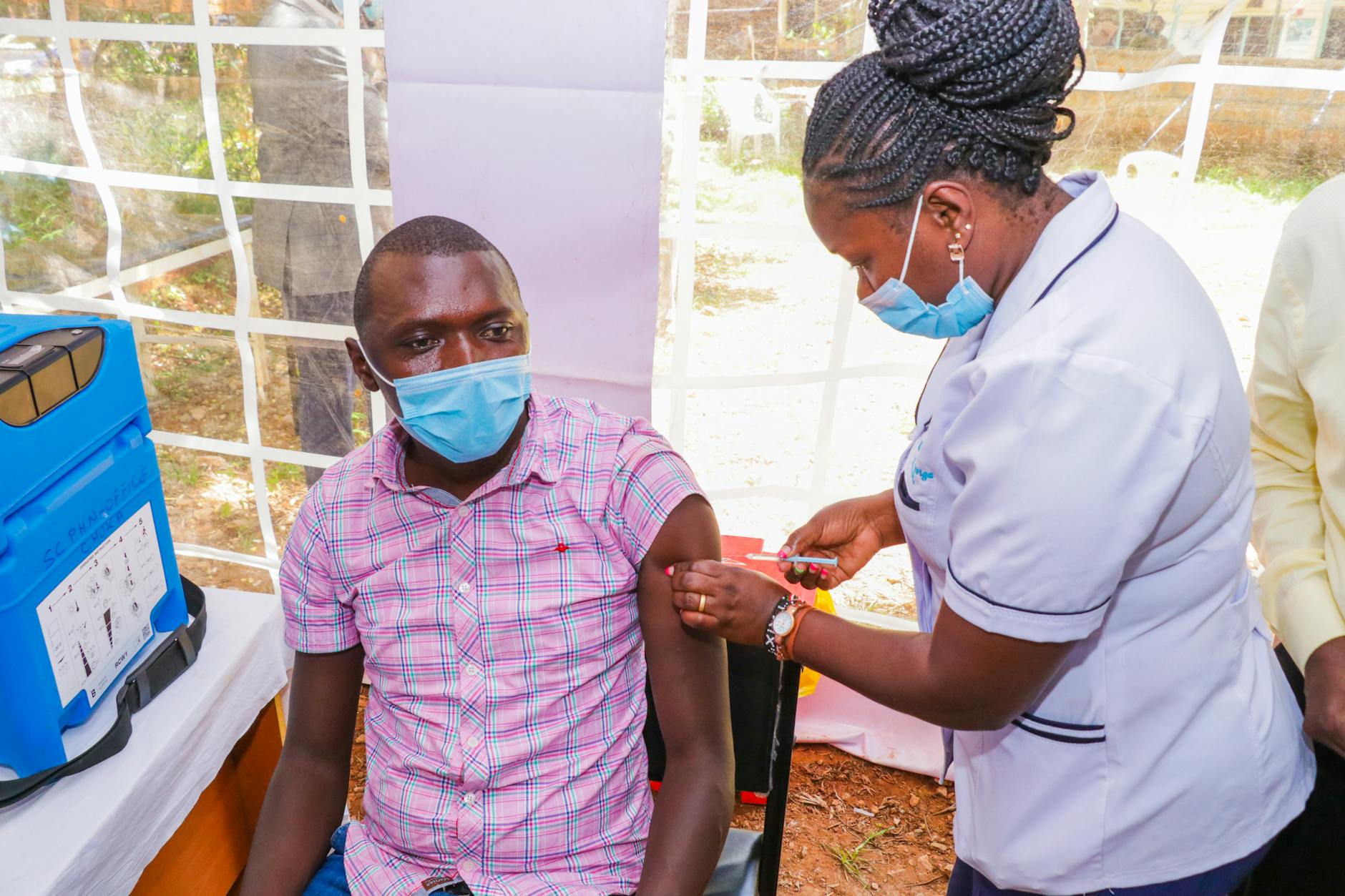
Has a decade of hard-won progress in extending health insurance to millions of Americans been undone by a stroke of the legislative pen? The answer, emerging from policy shifts enacted last year, appears to be a resounding yes. For years, the United States has grappled with its outlier status among developed nations, a country that, unlike its peers, does not guarantee healthcare access to all its citizens. Yet, the Affordable Care Act (ACA) represented a significant stride forward, slashing the uninsured rate from 16 percent in 2010 to a projected 8.3 percent by 2025, according to government estimates. This expansion, while not a perfect solution and still leaving many with high out-of-pocket costs or difficulties seeing doctors, provided a crucial safety net, ensuring a baseline of access to essential medical services. The current unraveling is not the product of economic downturns, which historically correlate with job losses and subsequent insurance lapses. Instead, this retreat from coverage is a direct consequence of deliberate policy decisions embedded within legislative packages aimed at dismantling the ACA. Measures introduced through what was termed the 'One Big Beautiful Bill' targeted beneficiaries of the ACA's Medicaid expansion by imposing work requirements, and crucially, allowed enhanced subsidies that made private insurance affordable on ACA marketplaces to expire. These actions, taken years after initial repeal efforts faltered during the Trump administration, are now manifesting as a tangible rollback, reversing years of accumulated gains in health insurance accessibility. This policy-driven rollback carries profound human costs, affecting millions of Americans who are now finding themselves without coverage or facing significantly higher premiums. The KFF, a leading health policy think tank, highlights the unprecedented nature of this situation. Larry Levitt, executive vice president for health policy at KFF, points out that there's "no historical precedent for the rollback in federal support for health coverage coming with the cuts in Medicaid plus the expiration of enhanced ACA premium subsidies." He further emphasizes that the "expected effects of OBBBA on coverage are self-inflicted and dwarf even the historical losses due to changes in the economy," underscoring the magnitude of this policy-induced crisis. The repercussions are particularly acute for those who relied on ACA marketplaces for affordable private insurance. The expiration of enhanced premium subsidies means that many individuals and families, previously able to afford coverage, will now find it prohibitively expensive. Projections for 2026 indicate a dramatic shrinkage in ACA marketplace enrollment, a direct indicator of individuals losing or being unable to secure coverage. This creates a precarious situation for a substantial segment of the population who may now face the stark choice between foregoing necessary medical care or incurring crippling debt. Beyond the immediate financial strain on individuals, the erosion of health insurance coverage has broader societal implications. A healthier population is a more productive population. When significant numbers of people lack access to regular medical care, preventive services are foregone, chronic conditions worsen, and emergency room visits—the most expensive form of care—become the default. This not only strains public health resources but also impacts workforce participation and economic output. The societal fabric frays when basic health security becomes a luxury rather than a right. The public reaction, often amplified through social media, reflects a growing sense of alarm and frustration. Personal stories of individuals suddenly losing coverage or facing unaffordable premiums are circulating widely, humanizing the abstract policy debates. Hashtags detailing experiences of being priced out of healthcare or scrambling for alternatives trend periodically, generating a groundswell of public outcry. This digital discourse pressures lawmakers and raises awareness about the tangible consequences of legislative actions, forcing a conversation about the value placed on accessible healthcare. The implications extend to the healthcare system itself. As more individuals become uninsured, the burden on emergency rooms and public health clinics increases. Hospitals, often legally obligated to provide care regardless of insurance status, face greater financial strain from uncompensated care. This can lead to reduced services, staff shortages, and ultimately, a diminished quality of care for everyone, even those who retain coverage. The path forward is fraught with challenges, but potential solutions are being debated. Advocates are pushing for the reinstatement of enhanced ACA subsidies and the removal of work requirements from Medicaid. Others are calling for more comprehensive reforms that move towards universal healthcare coverage. The political will to enact such changes, however, remains a significant hurdle, given the deep ideological divisions surrounding healthcare policy. What to watch next will be the ongoing impact on national health statistics, particularly the uninsured rate, as more data becomes available in the coming months and years. Keep an eye on legislative efforts to either further curtail or potentially restore ACA provisions, and listen to the stories of individuals navigating this increasingly complex and often unforgiving healthcare landscape. The long-term consequences of these policy shifts will undoubtedly shape the health and economic well-being of the nation for years to come.
In Brief
Decades of progress in reducing the number of uninsured Americans are being reversed by recent policy changes, leaving millions facing the loss of vital health coverage. This in-depth article explores the causes, impacts, and broader societal implications of this alarming trend.Advertisement



Comments
No comments yet. Be the first to comment!