
Key Takeaways
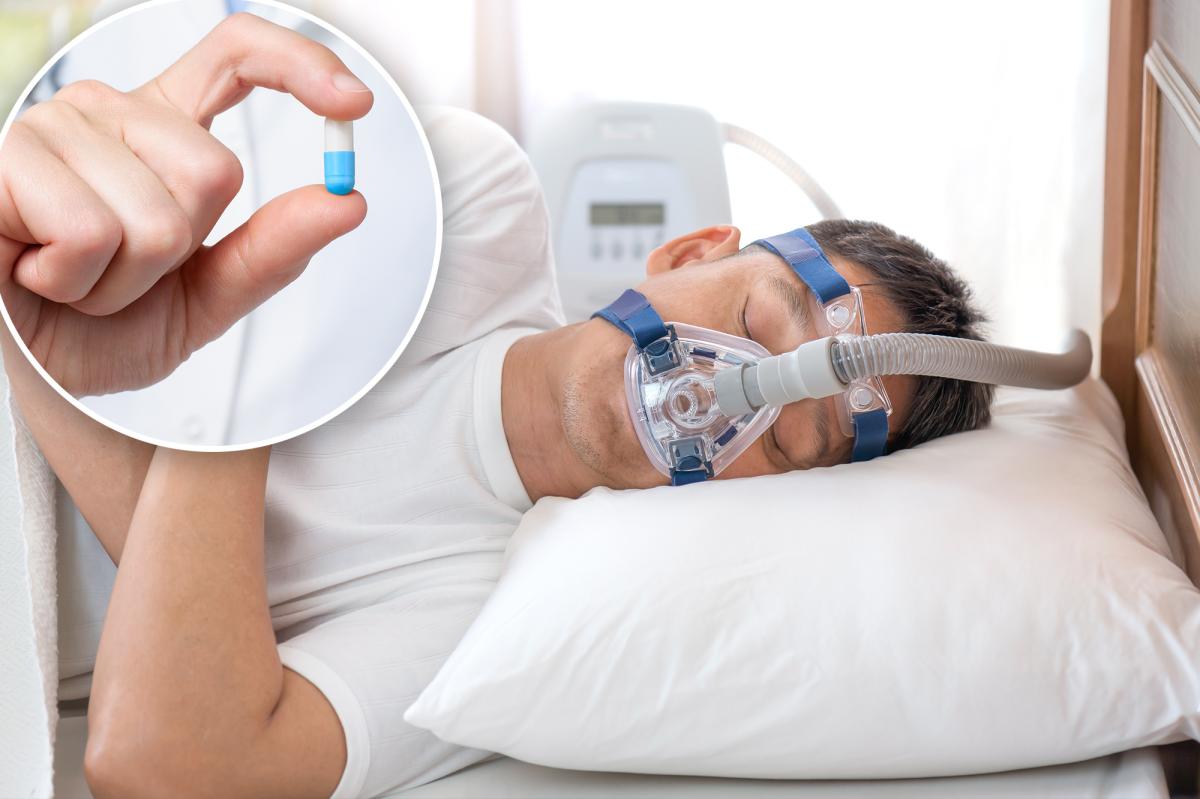
- A novel oral medication has demonstrated unprecedented efficacy in reducing the frequency of obstructive sleep apnea episodes by over 50% in clinical trials, offering a significant advancement beyond current treatment options.
- This new pill targets specific pathways involved in upper airway collapse during sleep, providing a pharmacological approach that could alleviate symptoms and improve sleep quality for millions globally.
- While promising, further research and regulatory approvals are necessary before this treatment becomes widely available, marking a crucial step in its journey from experimental therapy to accessible patient care.
- The potential impact extends beyond symptom relief, as effectively managing sleep apnea could mitigate serious associated health risks, including cardiovascular disease, stroke, and cognitive impairment.
- This development represents a potential paradigm shift in sleep medicine, moving towards more convenient and potentially less invasive treatment modalities for a widespread and often underdiagnosed condition.
- Patient and physician adoption will hinge on long-term safety data, cost-effectiveness, and comparison with established therapies like CPAP machines and oral appliances.
Background
Obstructive sleep apnea (OSA) is a pervasive and serious medical disorder characterized by repeated episodes of complete or partial upper airway blockage during sleep, leading to diminished or absent breathing. These interruptions, known as apneas and hypopneas, disrupt normal sleep patterns, causing significant drops in blood oxygen levels and placing immense strain on the cardiovascular system. The condition affects an estimated 1 billion people worldwide, though a substantial portion remains undiagnosed or undertreated. Symptoms often include loud snoring, daytime sleepiness, morning headaches, and difficulty concentrating, severely impacting quality of life and increasing the risk of accidents.
Current primary treatments for OSA, such as Continuous Positive Airway Pressure (CPAP) therapy, while effective for many, present challenges related to patient adherence and comfort. The necessity of wearing a mask connected to a machine throughout the night can be cumbersome, leading to discomfort, claustrophobia, and ultimately, inconsistent use. Alternative treatments like oral appliances and surgical interventions offer varying degrees of success and are not suitable for all patients. The persistent need for more accessible, effective, and patient-friendly solutions has driven extensive research into novel therapeutic approaches, including pharmacological interventions.
The development of an oral medication that can directly address the physiological mechanisms of airway collapse during sleep represents a significant leap forward. Unlike treatments that manage symptoms or provide mechanical support, a pill could potentially target the root causes of airway instability, offering a more integrated and potentially less intrusive therapeutic option. This pursuit has been a long-standing goal in sleep medicine, with researchers exploring various drug classes and mechanisms of action to find a safe and effective way to keep the airway open during sleep.
Why It Matters
The profound health implications of untreated sleep apnea underscore the critical importance of effective management strategies. Chronic intermittent hypoxia, a hallmark of the disorder, is strongly linked to a heightened risk of severe cardiovascular complications, including hypertension, heart attack, stroke, and atrial fibrillation. Beyond cardiac issues, sleep apnea is also associated with an increased incidence of type 2 diabetes, metabolic syndrome, and non-alcoholic fatty liver disease. The constant disruption of sleep architecture impairs cognitive functions, leading to daytime fatigue, reduced alertness, impaired judgment, and a significantly elevated risk of motor vehicle accidents and workplace injuries.
For millions of individuals worldwide, the daily burden of sleep apnea extends far beyond physical health, deeply affecting their mental well-being and social interactions. Persistent fatigue and lack of restorative sleep can lead to irritability, depression, anxiety, and strained relationships. The social stigma associated with loud snoring and the practical challenges of existing treatments can further isolate individuals. A more convenient and effective treatment, such as an oral medication, could dramatically improve daily functioning, enhance mood, boost productivity, and restore a sense of normalcy to the lives of those affected.
The potential for a widely accessible oral therapy also carries significant public health and economic implications. By reducing the prevalence and severity of sleep apnea and its associated comorbidities, such a treatment could lead to substantial healthcare cost savings through decreased hospitalizations, fewer emergency room visits, and reduced long-term management of chronic diseases. Furthermore, improved sleep quality and daytime alertness could enhance workforce productivity and decrease the incidence of accidents, contributing to a healthier and more efficient society overall. This breakthrough promises not just individual relief but a broader societal benefit.
Ground Reality
Despite the significant prevalence of sleep apnea, a substantial gap exists between the number of individuals diagnosed and those receiving adequate treatment. Many people suffer from mild to moderate symptoms that may not prompt them to seek medical attention, or they may attribute their daytime sleepiness to other factors like stress or aging. Even for those diagnosed, adherence to prescribed therapies, particularly CPAP, remains a persistent challenge. The bulky equipment, mask discomfort, noise, and the perceived inconvenience often lead to patients abandoning treatment, leaving them vulnerable to the serious long-term health consequences of the disorder.
The search for an effective oral medication has been fraught with challenges, as the complex physiological mechanisms underlying airway collapse are difficult to target with a single pharmacological agent. Previous attempts have faced hurdles related to efficacy, side effects, and the need for continuous administration. This new development, however, appears to have overcome some of these obstacles by focusing on specific neural pathways that regulate upper airway muscle tone during sleep. The success observed in clinical trials suggests a more targeted and potentially safer approach than previously explored.
The reality on the ground for many sleep apnea patients is a daily struggle with fatigue, cognitive fog, and the constant worry about their health. They often navigate a complex landscape of treatment options, weighing the pros and cons of CPAP machines, oral appliances, and lifestyle modifications. The emergence of a pill that promises significant symptom reduction with potentially greater ease of use offers a beacon of hope. However, the transition from promising trial results to widespread clinical availability involves rigorous regulatory scrutiny, extensive post-market surveillance, and careful consideration of cost and insurance coverage.
What Experts Are Saying
Leading sleep medicine specialists are expressing cautious optimism regarding the new pharmacological approach to treating obstructive sleep apnea. Dr. Anya Sharma, a renowned pulmonologist and sleep specialist, commented, "This represents a potentially transformative moment in sleep apnea management. For years, we've relied heavily on mechanical ventilation, which, while effective, faces significant adherence issues. An oral therapy that can robustly reduce apneas by over 50% could open doors for patients who struggle with current treatments, offering a much-needed alternative and improving overall health outcomes."
Other experts highlight the importance of understanding the drug's mechanism and long-term safety profile. Professor Kenji Tanaka, a pharmacologist specializing in respiratory disorders, noted, "While the initial efficacy data is highly encouraging, it's crucial that we see comprehensive long-term safety studies. We need to ensure that targeting these specific neural pathways doesn't introduce unforeseen side effects or complications. The goal is not just symptom reduction but sustained, safe improvement in patient health and quality of life over many years of potential use."
The consensus among many researchers is that this drug could significantly expand treatment options, particularly for patients with moderate to severe OSA who may not be ideal candidates for or compliant with CPAP. Dr. Isabella Rossi, a clinical trial investigator, stated, "The ability to offer a pill that demonstrably cuts breathing events by more than half is a game-changer. It could redefine our treatment algorithms and provide relief to a vast population currently underserved by existing therapies. We anticipate this will spur further innovation in pharmacotherapy for sleep-related breathing disorders."

Frequently Asked Questions
What Happens Next
The immediate next steps involve the final stages of clinical evaluation and the rigorous process of regulatory submission. Pharmaceutical companies will compile extensive data from Phase 3 trials, detailing efficacy, safety, and patient outcomes, and submit this comprehensive package to health authorities such as the U.S. Food and Drug Administration (FDA) and the European Medicines Agency (EMA). This submission initiates a thorough review period where regulators scrutinize the drug's benefits against its risks to determine if it warrants approval for public use, a process that typically takes many months.
Should the drug receive regulatory approval, the focus will shift to market launch and patient access. This includes scaling up manufacturing to meet anticipated demand, establishing distribution channels, and engaging with healthcare providers to educate them about the new treatment option. Furthermore, negotiations with insurance companies and healthcare systems will be crucial to determine reimbursement policies and ensure that the medication is accessible and affordable for the broad patient population it aims to serve, potentially impacting treatment paradigms significantly.
Ongoing post-market surveillance will be essential to monitor the drug's real-world performance and long-term safety. This involves collecting data on patient experiences, identifying any rare or unexpected side effects, and continuing to assess its effectiveness in diverse patient populations. Researchers may also explore potential new indications or combinations with other therapies. The success of this oral medication could pave the way for further advancements in pharmacotherapy for sleep-related disorders, opening new avenues for research and development in the field.


















Comments
No comments yet. Be the first to comment!