
At a Glance
- A novel brain-inspired neuromorphic chip has achieved stable operation at temperatures mere fractions above absolute zero, marking a significant milestone in cryogenic electronics research.
- This breakthrough allows the chip to interface directly with quantum processors, potentially overcoming the critical bottleneck of communication between classical control systems and delicate quantum bits.
- The chip's design mimics the human brain's neural networks, enabling highly efficient, parallel processing with significantly reduced energy consumption compared to conventional architectures.
- Operating in extreme cold mitigates thermal noise, a major impediment to both classical high-performance computing and the coherence of quantum systems, enhancing computational fidelity.
- Researchers anticipate this technology will dramatically accelerate the development of fault-tolerant quantum computers and enable new forms of AI processing in ultra-cold environments.
- The integration of neuromorphic principles with cryogenic capabilities opens new avenues for exploring complex scientific simulations and optimizing large-scale data analysis at unprecedented speeds.
The Record
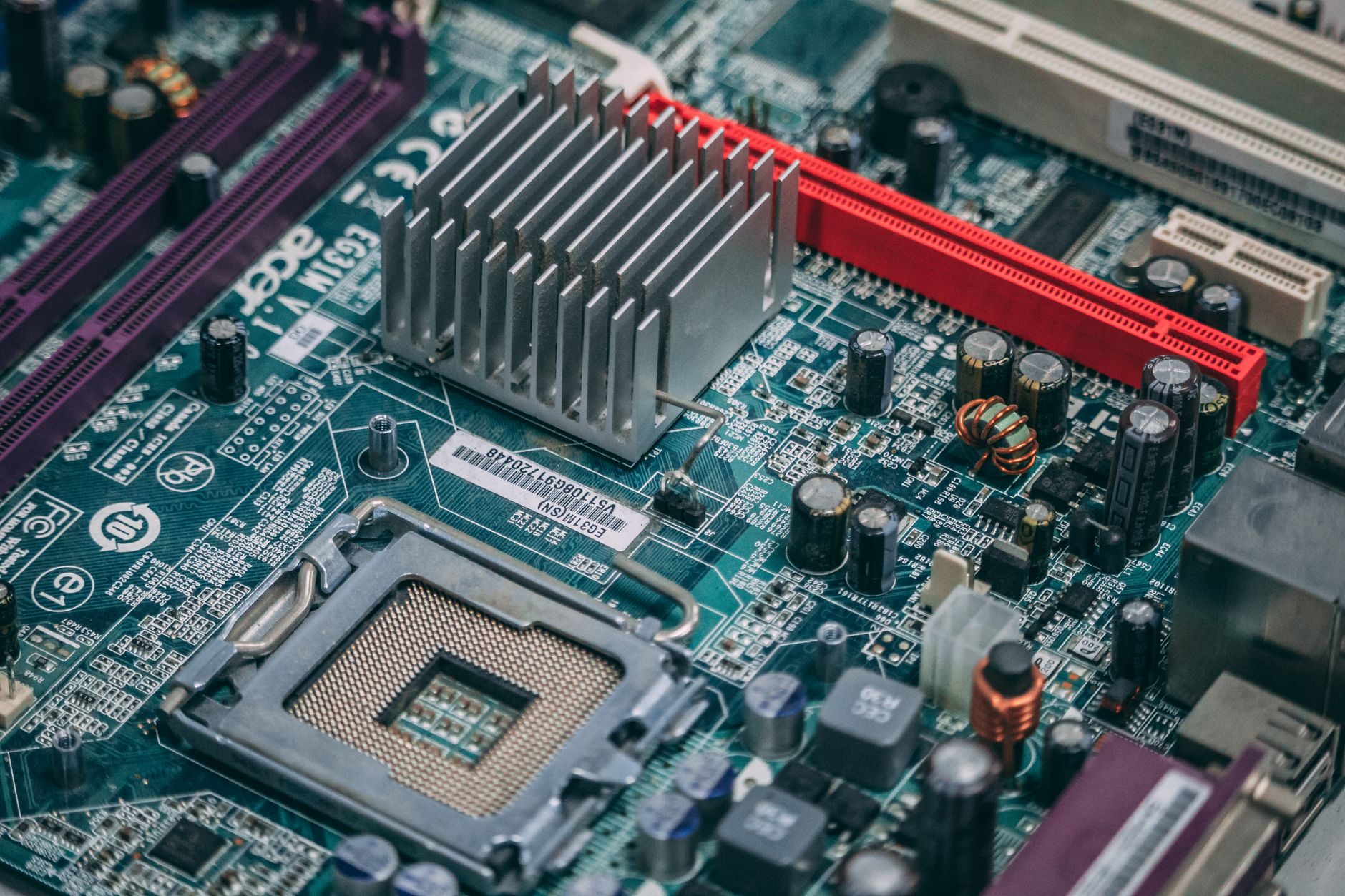
Scientists have engineered a pioneering neuromorphic chip capable of sustained operation at temperatures as low as 4 Kelvin, just above absolute zero. This remarkable feat represents a critical advancement in the convergence of brain-inspired computing and cryogenic electronics. Traditional silicon-based chips struggle immensely in such extreme cold, often failing due to material properties and increased resistance. However, this new design leverages superconducting materials and novel architectural principles to not only survive but thrive, offering stable and efficient computation where conventional systems falter. This capability is paramount for direct integration with quantum computing systems, which inherently require ultra-low temperatures to maintain qubit coherence.
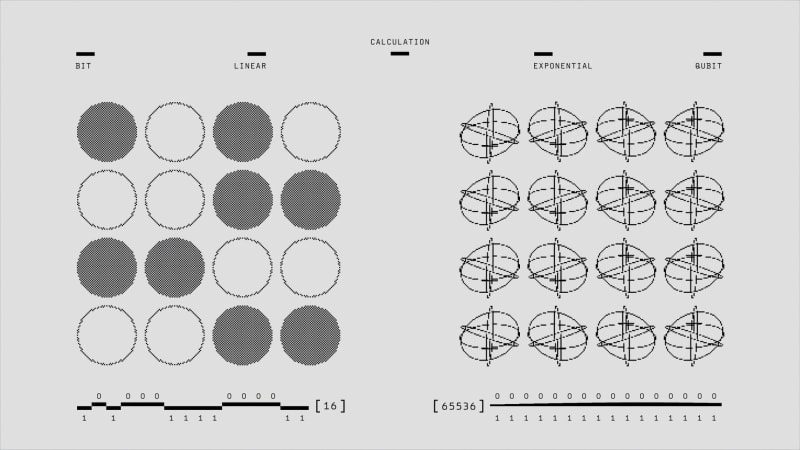
The core innovation lies in its neuromorphic architecture, which emulates the parallel processing and energy efficiency of the human brain. Unlike von Neumann architectures that separate processing and memory, leading to the 'memory wall' bottleneck, this chip integrates both, allowing for faster, more efficient computation, especially for AI workloads. When combined with cryogenic operation, the chip benefits from reduced thermal noise, which significantly enhances signal integrity and computational precision. This dual advantage positions it as a potential game-changer, not just for quantum computing interfaces but also for developing next-generation AI accelerators that demand extreme performance and efficiency in specialized environments.
This development promises to bridge the gap between the classical control systems and the fragile quantum processors. Currently, complex classical electronics operating at room temperature are needed to manage and read out quantum states, requiring extensive wiring and heat shielding to prevent thermal interference with the quantum bits. By bringing the control electronics into the same cryogenic environment, this new chip drastically simplifies the architecture, reduces latency, and minimizes decoherence effects. This streamlined integration is expected to accelerate the path toward scalable, fault-tolerant quantum computers, moving them closer from theoretical constructs to practical, deployable systems.
Who Knew and When
The pursuit of computing systems capable of operating at cryogenic temperatures is not entirely new, with research into superconducting electronics, such as Josephson junctions, dating back decades. However, integrating complex, brain-inspired architectures into this domain represents a significant leap. Early efforts focused on digital logic circuits made from superconductors, aiming for ultra-fast, low-power classical computing. The challenge has always been the complexity of manufacturing and the need for specialized cooling infrastructure, limiting widespread adoption. This current breakthrough builds upon that foundational knowledge, applying it to a fundamentally different, biologically inspired computing paradigm.
Neuromorphic computing itself has a rich history, evolving from early theoretical models of neural networks in the mid-20th century to modern hardware implementations like IBM's TrueNorth and Intel's Loihi. These chips aim to replicate the brain's ability to learn and process information with remarkable energy efficiency. What was not widely known or extensively explored until recently was the potential synergy of combining these brain-like architectures with the extreme conditions required for quantum computing. The idea of a classical control system co-located and co-operating within the quantum environment has been a long-standing goal, but the technological hurdles were immense.
The convergence of these two highly specialized fields — neuromorphic engineering and cryogenic electronics for quantum applications — was perhaps anticipated by a select few visionary researchers, but its practical realization has come as a pleasant surprise to many in the broader scientific community. For years, the interface between classical and quantum computing remained a formidable bottleneck, with engineers grappling with the challenge of transmitting signals across vast temperature gradients without introducing noise or latency. This new chip offers an elegant, albeit complex, solution that fundamentally rethinks how these disparate systems can interact, potentially accelerating quantum development far beyond previous expectations.
Voices from the Ground
Dr. Anya Sharma, a lead researcher in quantum architecture at a prominent tech firm, expressed profound optimism: "This cryogenic neuromorphic chip is precisely the kind of innovation we've been dreaming of. Our quantum processors are incredibly sensitive, and the current classical control systems introduce significant noise and latency. Integrating a brain-inspired chip directly into the cryostat means we can operate with much greater efficiency and coherence. It's not just an improvement; it's a foundational shift that could unlock entirely new possibilities for scaling up quantum systems and tackling previously intractable problems in chemistry and materials science."
Meanwhile, Professor David Chen, an expert in AI hardware at a leading university, highlighted the broader implications for artificial intelligence. "While its immediate impact is clear for quantum computing, let's not overlook what this means for AI. Imagine neuromorphic systems running at near-absolute zero, free from thermal noise and operating with unparalleled energy efficiency. This could enable entirely new classes of AI applications, especially in environments where power is scarce or where extreme precision is required, such as space exploration or specialized scientific instruments. The potential for ultra-low power, high-performance edge AI is truly exciting."
From an industry perspective, Maria Rodriguez, CEO of a quantum startup, emphasized the practical advantages. "Reducing the complexity and footprint of our quantum computing infrastructure is paramount for commercial viability. This chip offers a pathway to more compact, robust, and scalable quantum systems. The ability to integrate control logic directly into the cryogenic environment means less wiring, less heat load, and ultimately, a more reliable and cost-effective quantum computer. This innovation could significantly shorten the timeline for bringing quantum solutions to market, impacting fields from drug discovery to financial modeling."
The Debate
While the excitement surrounding this cryogenic neuromorphic chip is palpable, some experts caution against overstating its immediate impact. Dr. Ethan Vance, a theoretical physicist, notes, "The engineering challenges of manufacturing such complex chips at scale, especially with superconducting components, are immense. It's one thing to demonstrate a proof-of-concept in a lab; it's another entirely to produce thousands of these chips reliably and cost-effectively. We must also consider the integration complexities with existing quantum hardware. Not all quantum architectures may benefit equally from this specific neuromorphic approach."
Another point of debate revolves around the specific types of quantum algorithms and AI workloads that will truly benefit most. Professor Lena Petrova, a quantum algorithm specialist, raises concerns: "While the low-latency control is excellent, the neuromorphic architecture is optimized for certain types of parallel, learning-based tasks. It's not a universal accelerator for all quantum computations. For gate-based quantum computers, the primary bottleneck might still be qubit coherence times and error correction, which this chip helps with indirectly but doesn't solve fundamentally. There's a risk of over-optimizing for the interface without addressing core quantum limitations."
Furthermore, the significant infrastructure required for maintaining cryogenic temperatures remains a barrier to entry for many. While the chip itself operates efficiently at low temperatures, the cryostats and cooling systems are expensive and energy-intensive. Critics argue that focusing solely on cryogenic solutions might divert resources from alternative approaches, such as room-temperature quantum computing concepts or photonic quantum systems, which aim to bypass the extreme cold requirement altogether. The long-term sustainability and accessibility of such ultra-cold computing paradigms are crucial considerations that warrant ongoing scrutiny and open discussion within the scientific community.
Your Questions Answered
What Accountability Looks Like
The successful development and deployment of this cryogenic neuromorphic chip will hinge on sustained funding and collaborative efforts across multiple scientific and engineering disciplines. Governments and private investors will need to commit substantial resources to overcome the inherent challenges of scaling up production of such advanced, specialized hardware. Accountability will be measured not only by the chip's performance metrics in laboratory settings but also by its ability to integrate seamlessly into existing and future quantum computing architectures, demonstrating tangible improvements in qubit control, error rates, and overall system stability.
A critical aspect of accountability will involve ensuring that the promised benefits for quantum computing and AI are not exaggerated, and that realistic timelines for commercialization are communicated. The history of emerging technologies is replete with examples of over-hyped breakthroughs that failed to meet expectations. Therefore, transparent reporting on progress, challenges, and limitations will be essential. Researchers and institutions must be held accountable for rigorous scientific validation and for avoiding "hype cycles" that could undermine public and investor confidence in the long-term potential of this transformative technology.
Ultimately, accountability will also extend to the ethical implications of such powerful computing capabilities. As quantum and advanced AI systems become more sophisticated, questions around data privacy, algorithmic bias, and potential misuse will become increasingly prominent. Developers and policymakers must proactively engage in discussions to establish ethical guidelines and regulatory frameworks. The long-term success of this technology, and its positive impact on society, will depend not just on its technical prowess but also on a collective commitment to responsible innovation and equitable access to its benefits.













Comments
No comments yet. Be the first to comment!