
The Story in Brief
- The Democratic Republic of Congo (DRC) is grappling with persistent Ebola outbreaks, a public health crisis often overshadowed by the nation's vast mineral wealth and ongoing conflicts.
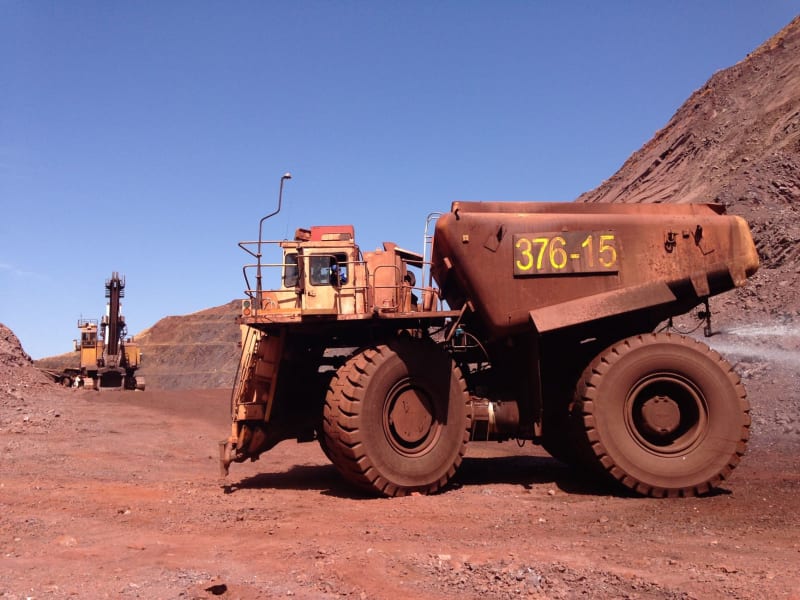
- Illegal and unregulated mining operations for minerals like cobalt and coltan create unstable environments, displacing communities and forcing populations into densely packed, unsanitary conditions.
- These displaced populations, often lacking access to basic healthcare and clean water, become highly susceptible to infectious diseases, including the deadly Ebola virus.
- The influx of miners and traders into remote, previously isolated areas facilitates rapid disease transmission, making containment efforts incredibly challenging for health authorities.
- Conflict stemming from control over mineral-rich territories further disrupts healthcare infrastructure, preventing aid workers from reaching affected regions and delivering vital medical supplies.
- The global demand for technology and renewable energy drives this mineral extraction, inadvertently linking consumer choices in developed nations to humanitarian crises in the heart of Africa.
- International efforts to combat Ebola are frequently hampered by insecurity and community mistrust, which are exacerbated by the complex interplay of economic desperation and armed group activity.
- Addressing the root causes requires a multi-faceted approach, including ethical sourcing, improved governance, and substantial investment in the DRC's public health and social infrastructure.
The Human Face
In the shadow of the DRC's mineral-rich mountains, countless families endure a brutal reality where the promise of wealth often translates into a death sentence. Children, forced into dangerous artisanal mines, become vectors for disease, their small hands digging not just for coltan, but also inadvertently unearthing new pathways for pathogens like Ebola. The desperation to survive, fueled by a global appetite for technology, pushes communities to the brink, making them acutely vulnerable to outbreaks that rip through their already fragile existence with terrifying speed and lethality.
Consider the plight of a mother in Ituri province, who, after fleeing conflict near a mining site, finds herself in a makeshift camp with her family, devoid of proper sanitation or medical care. When Ebola strikes, the lack of immediate access to treatment centers, coupled with deep-seated mistrust in external aid due to past traumas, turns what could be an isolated case into a community-wide tragedy. Her story is not unique; it represents the millions whose lives are perpetually on the precipice, caught between the scramble for resources and the silent, deadly spread of disease.
The human cost extends beyond direct infection. Survivors often face profound stigma, ostracization, and long-term health complications, shattering their ability to reintegrate into society and rebuild their lives. Entire villages are decimated, leaving behind a generation traumatized by loss and perpetual insecurity. This cycle of exploitation and disease perpetuates systemic poverty, denying individuals their fundamental rights to health, safety, and a dignified future, all while the global supply chain continues to demand the very minerals driving this suffering.
How We Got Here
The Democratic Republic of Congo possesses an estimated $24 trillion in untapped mineral deposits, including vast reserves of cobalt, coltan, copper, and diamonds, essential for modern electronics and renewable energy technologies. This immense natural wealth has, paradoxically, been a primary driver of instability and conflict for decades. Following colonial exploitation and post-independence political turmoil, various armed groups and corrupt state actors have vied for control over these lucrative mining regions, creating a volatile environment ripe for humanitarian crises.
The current escalation of Ebola outbreaks is deeply intertwined with these historical patterns of resource exploitation and governance failures. As global demand for minerals intensified, particularly in the last two decades, informal and illegal mining sectors expanded rapidly into remote, biodiverse areas. This expansion led to significant deforestation, increased human-wildlife interaction, and mass displacement of populations, pushing them into crowded, unsanitary settlements where disease transmission risks are exponentially higher. The lack of formal regulation means minimal health oversight and environmental protection.
Furthermore, the persistent insecurity in eastern DRC, fueled by over 120 armed groups competing for mineral control, severely impedes public health interventions. Health workers and humanitarian organizations face immense challenges in accessing affected communities, often encountering violence, roadblocks, and widespread mistrust. This historical context of conflict and exploitation has eroded community trust in government and international bodies, making crucial public health campaigns, such as vaccination and safe burial practices, incredibly difficult to implement effectively, thus allowing Ebola to gain devastating footholds.
Why This Cannot Be Ignored
The link between mineral extraction and Ebola outbreaks in the DRC is not merely a regional tragedy; it represents a profound global health security threat that demands immediate, concerted attention. Uncontrolled outbreaks in remote, conflict-ridden areas pose an exponential risk of wider regional and potentially international spread, especially given the increased mobility of populations and goods. Ignoring this nexus is akin to leaving a ticking time bomb unattended, with devastating implications for global public health and economic stability, far beyond the borders of the Congo.
Beyond the immediate humanitarian catastrophe, the ongoing instability fueled by mineral conflicts and disease outbreaks destabilizes an entire region critical for global supply chains. Companies reliant on DRC minerals face significant ethical dilemmas and reputational risks, as their sourcing practices are directly implicated in a cycle of human suffering and environmental degradation. This situation undermines efforts towards sustainable development, perpetuates cycles of poverty, and erodes the very fabric of governance in one of Africa's most strategically important nations, impacting international relations and trade.
The continued neglect of the root causes—unregulated mining, pervasive corruption, and inadequate healthcare infrastructure—ensures that future pandemics remain an ever-present danger. Each new Ebola outbreak serves as a stark warning, highlighting the interconnectedness of environmental health, human well-being, and global economic systems. If the international community fails to address the underlying drivers of this crisis, not only will more lives be lost to preventable diseases, but the precedent set will embolden further exploitation, creating a blueprint for future, even more devastating, health emergencies.
Possible Paths Forward
Addressing the complex interplay between mineral extraction and Ebola outbreaks requires a multi-pronged, collaborative approach involving governments, international organizations, industry, and local communities. One crucial path forward involves strengthening ethical sourcing initiatives and supply chain transparency. Implementing robust due diligence frameworks, such as those promoted by the OECD, can help ensure that minerals are not funding conflict or contributing to human rights abuses and environmental degradation, thereby reducing the instability that fuels disease spread.
Simultaneously, significant investment in the DRC's public health infrastructure is paramount. This includes establishing well-equipped, accessible healthcare facilities in remote and mining-affected areas, training local health workers, and implementing effective surveillance and rapid response mechanisms for infectious diseases. Community engagement and trust-building are also vital, ensuring that health interventions are culturally sensitive and accepted by the populations they aim to serve, moving away from top-down approaches that often breed suspicion and resistance.
Furthermore, promoting alternative livelihoods for artisanal miners and formalizing the mining sector can mitigate many risks. By offering safer, regulated employment opportunities and fair wages, communities can reduce their reliance on dangerous, informal mining practices. This, coupled with improved governance, anti-corruption measures, and sustainable land-use planning, can transform the DRC's mineral wealth from a curse into a catalyst for development, fostering stability and resilience against future health crises. International cooperation on these fronts is not just humanitarian aid; it's an investment in global health security.

Questions People Are Actually Asking
What to Watch
- Monitoring the efficacy of new ethical sourcing initiatives: Observe whether industry-led programs and government regulations genuinely improve transparency and reduce the illicit trade of minerals from high-risk regions in the DRC.
- Tracking the stability of key mining areas: Pay close attention to security developments in eastern DRC provinces like Ituri, North Kivu, and South Kivu, as increased conflict directly correlates with humanitarian crises and potential disease spread.
- Assessing the reach and impact of public health campaigns: Watch for improvements in vaccination rates, community engagement, and the establishment of robust surveillance systems in remote and mining-affected populations.
- Evaluating international aid and development investments: Scrutinize how foreign aid is allocated and whether it effectively supports local governance, healthcare infrastructure, and sustainable livelihood programs beyond immediate emergency response.
- Observing policy shifts in major mineral-consuming nations: Look for new legislation or corporate commitments that strengthen due diligence requirements and promote responsible mineral supply chains, influencing global market practices.
- Following the evolution of community-led peace and development efforts: Highlight initiatives where local populations are empowered to address conflict drivers and improve their own health and economic resilience, often proving more sustainable.
- Analyzing climate change impacts on disease vectors: Consider how changing environmental conditions might further alter human-wildlife interactions and potentially increase the risk of zoonotic disease spillover in already vulnerable regions.
- Tracking technological advancements in supply chain traceability: Keep an eye on innovations like blockchain or advanced satellite monitoring that could offer unprecedented transparency in mineral origins, making ethical sourcing more feasible.
















Comments
No comments yet. Be the first to comment!