
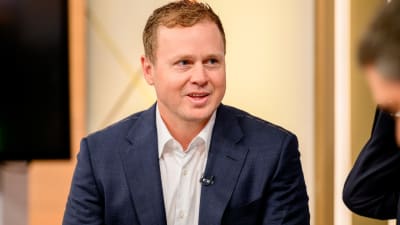
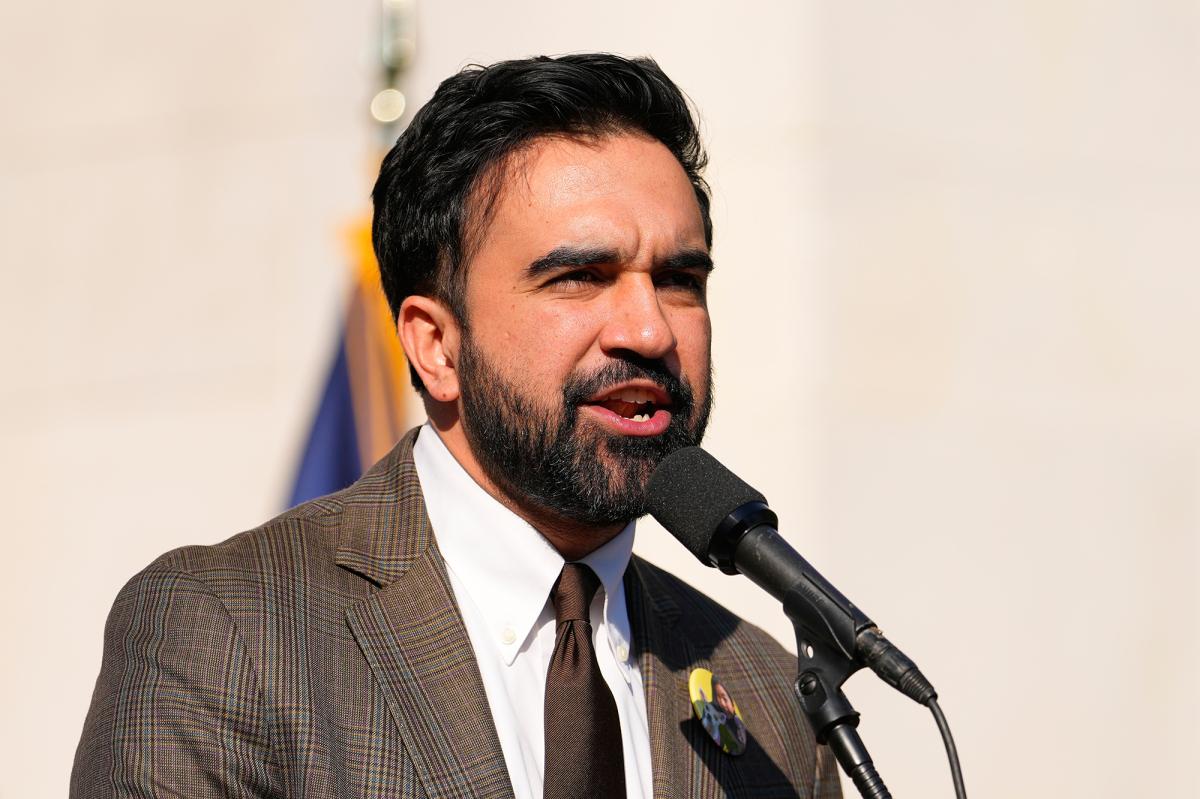
The escalating cost of basic necessities, from groceries to gasoline, is a daily grind for countless Los Angeles residents. This economic pressure cooker, coupled with a palpable sense of unease over public safety, has created an environment ripe for political disruption. It is within this simmering discontent that the unconventional candidacy of Spencer Pratt, a figure more accustomed to the glare of reality television cameras than the scrutiny of public office, has begun to carve out an improbable niche in the city's mayoral contest. Pratt's surge is not a sudden anomaly but a symptom of deeper frustrations. For years, many Angelenos have felt a disconnect between their lived experiences and the pronouncements of city hall. This sentiment has been amplified by a perception of declining urban order and a perceived inability of established politicians to effectively address these complex issues. Pratt, with his provocative online presence and a narrative that positions him as an outsider battling a corrupt and incompetent system, has tapped directly into this vein of public weariness. His campaign strategy leans heavily on digital disruption and a provocative, often humorous, engagement with current events. This approach reached a new level with a recent campaign advertisement that ingeniously repurposed Kendrick Lamar's hit song "Not Like Us." The ad directly targeted incumbent Mayor Karen Bass and progressive Councilmember Nithya Raman, using the music's infectious rhythm and pointed lyrics to underscore Pratt's anti-establishment message. This tactic, while unconventional, demonstrates a shrewd understanding of modern political communication and its ability to capture attention in a crowded media landscape. The narrative underpinning Pratt's candidacy often circles back to personal grievance, notably his claim that his home was destroyed in a wildfire due to governmental negligence. This personal tragedy, framed as a consequence of systemic failure, serves as a potent symbol for his broader critique of city leadership. It allows him to present himself not merely as a political hopeful, but as a victim of the very issues he promises to fix, lending an air of authenticity to his populist appeal. This resonates particularly strongly in a city that has long grappled with its image and functionality. Pratt's promise to make Los Angeles "camera-ready" again for all citizens is a direct appeal to a desire for order and a return to a perceived golden age. His campaign taps into a nostalgia for a more manageable, perhaps more aspirational, version of the city, contrasting it sharply with the present-day challenges of homelessness, crime, and infrastructure decay. Historically, Los Angeles has a complex relationship with outsider figures who promise radical change. The city has seen its share of unconventional personalities enter the political arena, often reflecting its sprawling nature and its role as a hub for entertainment and media. However, Pratt's particular brand of digital-savvy, grievance-fueled populism represents a new iteration, one that leverages the tools of the modern internet to bypass traditional gatekeepers and appeal directly to a disaffected electorate. The implications for the city are significant. Pratt's ability to gain traction, evidenced by fundraising and polling data, forces a re-evaluation of what constitutes a viable political platform in a major American metropolis. His success, however limited, suggests that traditional political operatives and established parties can no longer afford to dismiss unconventional candidates who master the art of viral messaging and tap into widespread public anger. The short-term impact could be increased volatility in the mayoral race, with potential to disrupt established power dynamics. Looking ahead, the long-term consequences could reshape how political campaigns are conducted in Los Angeles and beyond. If Pratt's approach proves effective, it may encourage more figures from outside traditional politics to enter the fray, armed with sophisticated digital strategies and a willingness to embrace controversy. This could lead to a more unpredictable and potentially more polarized political landscape. The future of L.A. politics may well hinge on how effectively established candidates can counter this new wave of digitally-driven, populist challenges. Residents seeking to understand the evolving political landscape should pay close attention to how established candidates respond to Pratt's unconventional tactics. The focus will be on whether they can offer substantive solutions that address the public's anxieties or if they will be forced to engage in similar, potentially divisive, rhetoric. The ongoing discourse surrounding public safety, economic opportunity, and the very identity of Los Angeles will undoubtedly shape the coming months.
In Brief
Reality TV star Spencer Pratt's unexpected rise in the L.A. mayoral race is shaking up the political establishment. Discover how his populist message and digital savvy are resonating with voters amid growing public discontent.Advertisement



Comments
No comments yet. Be the first to comment!