
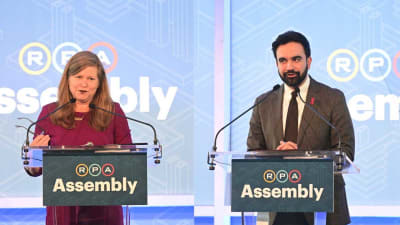
The jarring jolt of a vehicle hitting an unseen pothole is more than an annoyance; it's a daily reminder of fraying public infrastructure, a problem that now stands at the forefront of New York's governance debate. This seemingly minor issue, often dismissed as routine maintenance, is being elevated by city and port authority leaders as a critical bellwether for the health of public services and the trust citizens place in their institutions. The ripple effects extend far beyond damaged tires, impacting emergency response times, the efficiency of goods movement, and the overall quality of life for millions. Why this focus on the mundane now? A confluence of factors, including aging infrastructure reaching critical failure points and a public increasingly weary of grand, unfulfilled promises, has created an urgent imperative. Leaders are recognizing that without the bedrock of reliable basic services, more ambitious projects – from transit expansion to economic development initiatives – are built on shaky ground. This strategic shift suggests a recognition that demonstrating competence in fundamental tasks is the essential prerequisite for tackling larger, more complex challenges. The immediate impact is felt by every commuter navigating the city's streets, every business reliant on timely deliveries, and every traveler passing through the region's vital transportation hubs. Port Authority Executive Director Rick Cotton, speaking at a recent Regional Plan Association assembly, highlighted the necessity of addressing these foundational issues, noting the direct correlation between efficient airport operations and the city's economic vitality. His counterpart, Mayor Eric Adams, has similarly emphasized the need to move beyond symbolic gestures and deliver tangible improvements in the everyday experience of New Yorkers. This approach, dubbed 'pothole politics' by some observers, is not about a lack of ambition but a deliberate recalibration of priorities. It acknowledges that citizens gauge governmental effectiveness by the reliability of services they interact with daily. When streets are smooth, garbage is collected efficiently, and public transit runs on time, it builds a reservoir of goodwill and confidence that can support more transformative endeavors. Conversely, persistent failures in these areas erode public trust, making citizens skeptical of any new initiatives, regardless of their potential merit. The implications for the future are significant. In the short term, a renewed focus on basic maintenance and repair could lead to a noticeable improvement in the daily lives of residents and the operational efficiency of key economic engines. This could translate into reduced vehicle repair costs, fewer traffic delays, and a more predictable environment for businesses. It also lays the groundwork for future investments, as a demonstrated ability to manage and maintain existing assets builds credibility for seeking further funding. Looking further ahead, this foundational strategy could reshape the very nature of public service delivery. By proving that basic governmental functions can be executed effectively and transparently, leaders can foster a more positive and engaged citizenry. This renewed trust is crucial for addressing long-term challenges like climate change adaptation, affordable housing, and equitable economic growth, all of which require sustained public support and participation. The Regional Plan Association's recent assembly, where leaders like Cotton and Adams shared these perspectives, underscores the growing consensus around this competency-driven governance model. However, the path forward is not without its hurdles. Securing consistent and adequate funding for these essential repairs and upgrades remains a perennial challenge, often competing with more visible, capital-intensive projects. Furthermore, the sheer scale of neglect in some areas means that simply filling potholes is insufficient; a comprehensive, long-term strategy for infrastructure renewal is paramount. The political will to prioritize these less glamorous but vital tasks must be sustained, resisting the temptation to chase headline-grabbing initiatives at the expense of essential upkeep. What we should watch next is whether this commitment to foundational improvements can be sustained through budget cycles and political transitions. The true test will be in the consistent delivery of improved services, the measurable reduction in infrastructure failures, and the tangible rebuilding of public confidence. Success in these core areas will determine the region's capacity to address its more complex challenges and secure a more resilient and prosperous future for all its inhabitants.
In Brief
New York leaders are shifting focus to foundational infrastructure, prioritizing pothole repairs and basic service reliability. This 'pothole politics' strategy aims to rebuild public trust and create a solid base for future growth.Advertisement




Comments
No comments yet. Be the first to comment!