
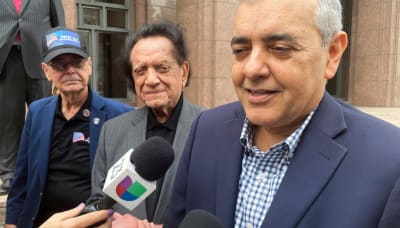
A federal jury in Miami last week found former Congressman David Rivera guilty on multiple counts, including conspiracy, acting as an unregistered foreign agent, and making false statements, stemming from his clandestine work for Venezuela's state-run oil company. The verdict caps a years-long investigation that exposed a complex web of influence peddling and raised serious questions about the integrity of lobbying efforts involving foreign governments on American soil. Rivera, once a rising star in Florida politics, now faces a significant prison sentence, marking a dramatic fall from grace and sending a chilling message to others engaged in similar undisclosed advocacy. The gravity of the conviction lies not just in Rivera's personal downfall, but in the broader implications for transparency in Washington. For years, shadowy dealings with entities like Petróleos de Venezuela, S.A. (PDVSA) have operated just outside the public's full view, often leveraging powerful connections to sway policy and public opinion. Rivera's conviction underscores the Justice Department's increasing focus on enforcing the Foreign Agents Registration Act (FARA), a statute designed to bring accountability to individuals representing foreign principals. The case highlights how quickly lucrative contracts can become entangled with legal and ethical breaches when accountability mechanisms fail. This case is particularly significant now as the United States continues to navigate complex geopolitical relationships, especially with oil-producing nations in Latin America. Rivera's activities, according to prosecutors, involved attempting to influence U.S. policy and public perception in favor of the Venezuelan government and its state-owned oil company during a period of intense international scrutiny. The prosecution presented evidence suggesting that Rivera received millions of dollars in payments disguised as consulting fees, which he then failed to disclose as required by law. This lack of transparency allowed him to operate with a significant advantage, potentially influencing decisions that impacted national energy policy and international relations. The ripple effects of this verdict extend to various stakeholders. On one hand, government watchdog groups and proponents of stricter lobbying regulations are hailing the conviction as a victory for accountability and a deterrent against illicit foreign influence. They argue that such convictions are essential to maintaining public trust in the democratic process and preventing foreign adversaries from unduly shaping U.S. foreign policy. On the other hand, individuals and entities that have engaged in similar, albeit perhaps less overtly illegal, lobbying efforts may find themselves under increased scrutiny. The Venezuelan government, through PDVSA, clearly stands to lose influence and face further isolation, while the U.S. government, by successfully prosecuting Rivera, reinforces its commitment to upholding FARA. Public reaction on social media platforms has been swift and polarized. Many expressed outrage over the perceived corruption and the ease with which former officials can allegedly profit from foreign entanglements. Hashtags like #RiveraConvicted and #ForeignInfluence trended, with users sharing articles and debating the role of money in politics. Others, however, have defended Rivera, suggesting the charges were politically motivated or that the FARA laws are overly burdensome. This digital discourse, while often simplistic, reflects a deep-seated public concern about the fairness and transparency of the political system and the influence of special interests. Key to the prosecution's case was the testimony of several high-profile individuals, including Senator Marco Rubio. Rubio, who shared early political ties and even co-owned a home with Rivera in Tallahassee during their formative years in Florida politics, testified about his interactions with the former congressman. This personal connection added a layer of intrigue, demonstrating how even long-standing relationships could be tested and scrutinized in the pursuit of justice. The prosecution effectively used documentary evidence and financial records to paint a picture of a deliberate effort to conceal his role as a foreign agent. The potential for future legal challenges or appeals by Rivera's legal team remains a distinct possibility. His attorneys have indicated they intend to explore all available options to overturn the verdict. Beyond the legal ramifications, the case prompts a re-examination of FARA enforcement and the mechanisms in place to detect and deter unregistered foreign lobbying. The Department of Justice and other federal agencies will likely review their investigative strategies and consider whether current legislation adequately addresses the evolving methods of foreign influence operations. Moving forward, the focus will be on whether this conviction serves as a genuine deterrent or simply an isolated incident. Observers will be watching closely to see if other individuals engaged in similar undisclosed foreign advocacy face legal repercussions. The long-term impact on international lobbying practices and the effectiveness of FARA in an increasingly interconnected world will be a critical story to follow, particularly as geopolitical tensions continue to shape global affairs and the demand for influence peddling persists.
In Brief
Former Congressman David Rivera was convicted in Miami for illegally lobbying for Venezuela's state oil company. The verdict highlights concerns over foreign influence and transparency in Washington.Advertisement


Comments
No comments yet. Be the first to comment!