

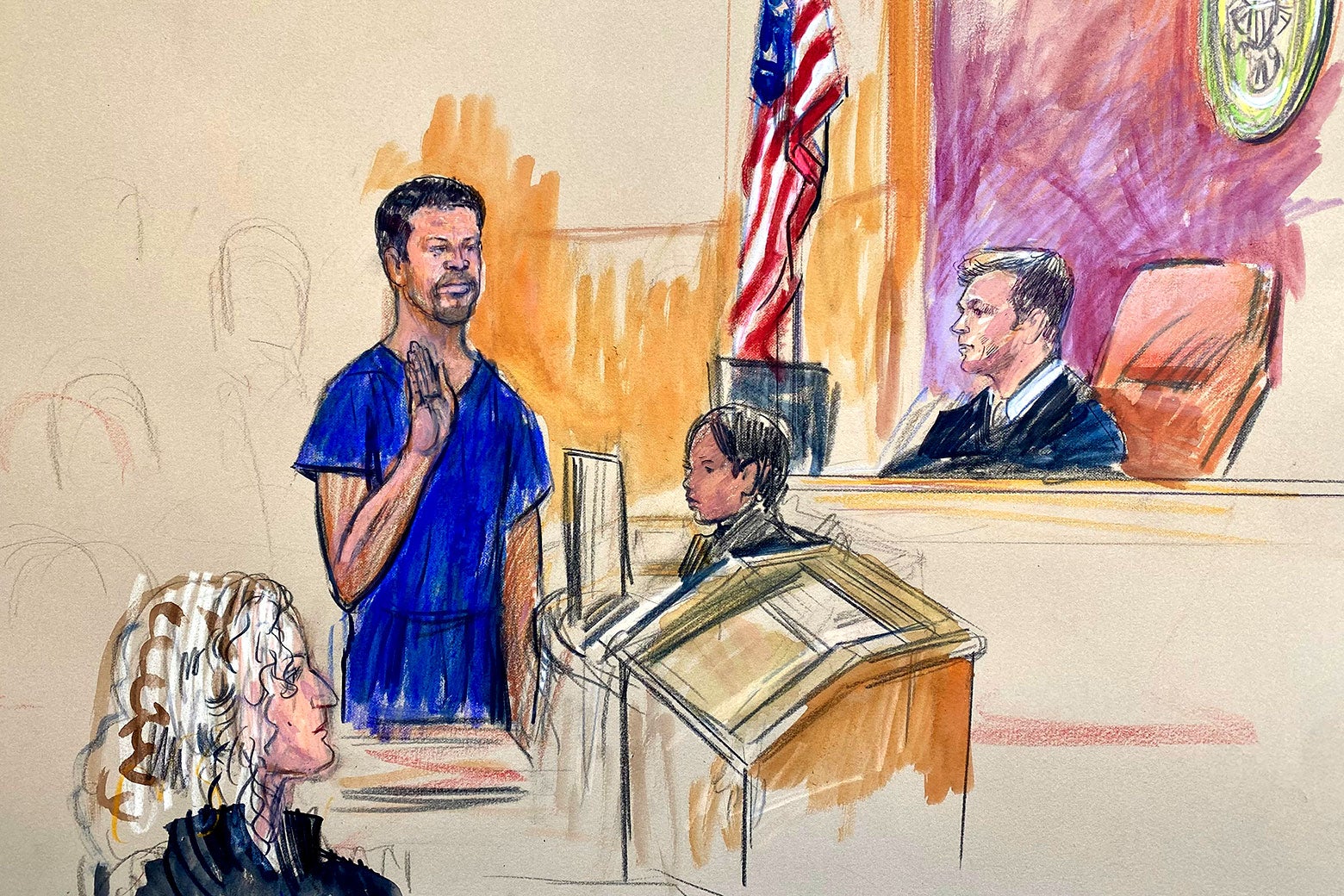
The notion that American citizens expect their elected officials to prioritize public safety is a widely held belief, yet the actions of some lawmakers paint a more complex picture. Representative Greg Landsman, a Democrat from Ohio, recently cast votes against crucial funding measures for the Department of Homeland Security (DHS), an agency vital to national security and domestic protection. These votes stand in stark contrast to the expressed sentiment that leaders should be steadfast in safeguarding the populace, leaving many to question the disconnect between rhetoric and legislative action. The current political climate often forces difficult choices, but the funding battles surrounding DHS have been particularly contentious, exacerbated by the longest government shutdown in history affecting the agency. This shutdown, which stretched for a record 76 days and concluded in late April 2026, had tangible and immediate consequences. For instance, a White House memorandum from March 27 detailed how over 60,000 TSA employees, including approximately 50,000 officers, were not receiving paychecks. This financial strain wasn't merely an abstract concern; it led to nearly 500 TSA workers leaving their posts and contributed to airport security wait times ballooning to as much as three hours in some locations. Beyond the immediate impact on airport security, the funding impasse revealed deeper systemic issues within DHS operations. As staffing shortages intensified, Immigration and Customs Enforcement (ICE) officers were redirected to assist at airports, performing tasks like crowd control and identification checks, tasks typically outside their primary mission. Simultaneously, reports emerged of significant absenteeism among TSA agents, with roughly 3,000 agents failing to report for duty on a single day, further straining already depleted resources and highlighting the precarious state of operational readiness. This legislative gridlock occurred against a backdrop of alarming security incidents that underscore the importance of robust homeland security. The attempted assassination of President Donald Trump and other Republican officials at the White House Correspondents’ Dinner on April 25 served as a chilling reminder of the threats facing national leaders. The suspect, identified as Cole Tomas Allen, was allegedly in possession of a manifesto outlining plans to target Trump administration figures, indicating a level of premeditation and ideological motivation that demands a vigilant security apparatus. Moreover, the DHS funding debate has unfolded concurrently with several serious domestic security challenges. These include a deadly mass shooting in Austin and a violent attack at a Texas venue, incidents that directly illustrate the persistent threats of violence within the United States. The timing of these events, juxtaposed with the legislative holdup on funding for agencies designed to prevent and respond to such crises, amplifies the urgency of the situation and the public's expectation for decisive leadership. Critics argue that voting against DHS funding, especially during periods of heightened security concerns, is not just a symbolic gesture but a potentially damaging act. RNC Spokesman Hunter Lovell articulated this viewpoint, stating that such actions are hypocritical and reckless, especially when they directly impact the pay and morale of essential workers. The argument posits that playing political games with the livelihoods of individuals tasked with keeping the nation safe is an unacceptable risk, undermining public trust and operational effectiveness. Landsman’s own words, spoken in an interview on the New Democrat Coalition podcast in July 2025, reinforce the idea that constituents expect safety. He stated, “Americans expect their leaders to be serious about keeping them safe.” This sentiment, when weighed against his voting record on DHS funding, creates a clear point of contention for voters. The gap between this expressed ideal and his legislative choices invites scrutiny, prompting a closer examination of his priorities and the specific concerns that led to his dissenting votes. Looking ahead, the legislative battles over homeland security funding are likely to persist, reflecting ongoing partisan divides and differing views on border security, agency operations, and national priorities. Voters in Landsman's district, and across the country, will be watching to see if future funding proposals are met with more aligned legislative action, or if these patterns of disagreement continue to challenge the nation's ability to maintain a fully functional and well-supported security infrastructure. The critical question remains: how will these legislative inconsistencies be reconciled with the fundamental expectation of safety?
In Brief
Representative Greg Landsman's votes against Department of Homeland Security funding conflict with his stated belief that leaders must prioritize public safety, raising questions amidst ongoing security threats and agency operational challenges.Advertisement


Comments
No comments yet. Be the first to comment!