
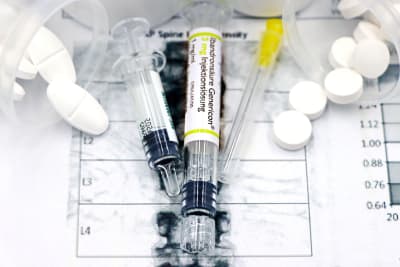
"The public deserves clear, timely, medically grounded information without political spin, stigma, or ageism," stated physician Uché Blackstock on social media, crystallizing a growing concern surrounding official medical disclosures. This sentiment rings particularly true in the wake of recent presidential health examinations, which, while routine in theory, often become focal points for intense public scrutiny and speculation. The inherent opacity surrounding such high-profile medical assessments raises fundamental questions about accountability and the dissemination of reliable health data for those in positions of immense power. This issue gains immediate relevance as the nation grapples with an aging electorate and a heightened awareness of the physical and cognitive demands of leadership. As President Trump undergoes regular medical evaluations, the public's expectation for straightforward, unvarnished health reports clashes with the reality of politically charged communication. The gap between a president's personal pronouncements about their health and the detailed, objective findings a medical professional would typically provide creates fertile ground for misinformation and erodes essential trust between the governed and their government. The urgency is amplified in an election year, where a candidate's fitness for office is a paramount concern for voters. The ramifications of this lack of transparency extend far beyond the individual president. It impacts the broader discourse on aging in leadership, setting a precedent for how the health of public figures is discussed. Furthermore, it underscores a systemic issue in how medical information is communicated when political interests are involved. The potential for ageism to influence public perception, either by downplaying or exaggerating health concerns, is a significant ethical tightrope that media and official sources must navigate. The immediate beneficiaries of clear, transparent reporting are the citizens who rely on accurate information to make informed decisions. This includes voters assessing candidates, but also individuals who may look to public figures for insights into managing their own health as they age. The current approach, characterized by brief, often self-serving statements, fails to serve this crucial educational and civic function. It leaves a void that can be filled by rumor and conjecture, ultimately disempowering the public. Beyond the presidential sphere, the broader healthcare landscape is also undergoing shifts that highlight the importance of accessible information. For instance, CDC data from 2024 indicates that while urgent care centers saw significant usage – with about 28% of people visiting at least once – adults 65 and older were less likely to utilize them compared to younger demographics. This trend, coupled with previous analyses suggesting racial disparities in urgent care access, points to a complex and sometimes inequitable healthcare system. The proliferation of urgent care centers, which have doubled in number to over 14,000 nationwide in the last decade, has positioned them as a critical, albeit sometimes overwhelmed, component of the healthcare infrastructure, acting as a 'reliever airport for our broken system' as physician Franz Ritucci described. Addressing the challenge requires a multi-pronged approach. Firstly, establishing standardized protocols for public health disclosures by elected officials, independent of political campaigns, is essential. This could involve a designated, non-partisan medical body responsible for releasing comprehensive reports. Secondly, media outlets must commit to rigorous fact-checking and contextualization, pushing back against vague claims with requests for specific, verifiable data. Educating the public on how to critically evaluate health information, particularly when it originates from political sources, is also a vital step. The implications of this situation extend to the burgeoning field of longevity research, a movement focused on extending human healthspan. While enthusiasts in this area pursue cutting-edge scientific and biohacking initiatives, the fundamental principle of open, honest communication about health remains paramount. The dedication to data and empirical evidence within the longevity community stands in stark contrast to the often-opaque nature of official health reporting for public figures. This dichotomy serves as a reminder that even as we explore the frontiers of life extension, the bedrock of trustworthy information must be maintained. Looking ahead, the pressure for greater transparency in presidential health reporting is likely to intensify. As medical technologies advance and public expectations for accountability rise, the status quo of ambiguous statements and guarded disclosures becomes increasingly untenable. The coming years will test the willingness of both political administrations and the media to prioritize clear, evidence-based communication over politically expedient narratives, shaping how citizens perceive the health and fitness of their leaders.
In Brief
Recent presidential medical exams have ignited a crucial debate over transparency in public health reporting. Physician Uché Blackstock's call for "medically grounded information without political spin" highlights a growing demand for clarity amidst political messaging and an aging leadership landscape.Advertisement



Comments
No comments yet. Be the first to comment!