
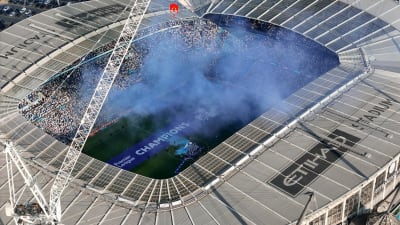
The roar of the crowd inside the Puskás Aréna, a gleaming modern edifice that sprung from Budapest’s landscape seemingly overnight, served as a potent backdrop this past weekend for Europe’s most coveted club football match. Yet, beneath the surface of pre-game festivities and the electric atmosphere, a more complex narrative was unfolding. This wasn't just about 22 players chasing a ball; it was about the enduring imprint of Viktor Orbán's ambitious state-building project, a project heavily financed and visually amplified by mega-events like the Champions League final. The Hungarian Prime Minister has long understood the power of spectacle, using major sporting fixtures as a stage to project an image of national strength and resurgence onto the international arena. The decision to host such a prestigious event in Budapest, while undoubtedly a coup for Hungarian football and tourism, carries significant economic and political undertones. The Puskás Aréna itself, a €600 million reconstruction completed in 2019, stands as a monument to this strategy. Critics point to the astronomical sums poured into sports infrastructure – stadiums, training facilities, and even hosting rights for various international competitions – as diverting crucial resources from other public services. While proponents argue these investments stimulate the economy and boost national pride, a closer examination of the long-term fiscal impact and the equitable distribution of benefits reveals a more nuanced, and for many, concerning picture. This focus on large-scale, high-profile events is a cornerstone of Orbán's governing philosophy, often referred to as 'sport diplomacy.' It’s a deliberate strategy to enhance Hungary's international profile and, domestically, to foster a sense of collective achievement and national identity. The narrative is one of a resurgent nation reclaiming its place on the world stage, with sport serving as a powerful, easily digestible symbol. However, the substantial public funds allocated to these projects, estimated to run into billions of euros over Orbán's tenure, raise questions about opportunity costs. Were these the most effective uses of taxpayer money in a country facing persistent challenges in healthcare, education, and infrastructure outside of these flagship projects? Experts in public finance and political science observe a clear pattern. "This is a classic example of a government using a high-visibility international event to legitimize significant public spending and bolster nationalistic sentiment," notes Dr. Anna Kovács, a political analyst at Central European University. "The visible success of hosting, measured in international media coverage and tourist arrivals, often overshadows the less visible, but potentially more significant, long-term financial implications and the debate over whether these investments truly benefit the average citizen." The social media sphere buzzed with a mixture of pride and skepticism. Alongside celebratory posts showcasing the Puskás Aréna's grandeur and Hungary's ability to host globally, there were counter-narratives. Commenters questioned the affordability of such ventures, sharing articles detailing budget overruns and comparing Hungary's per capita spending on sports infrastructure to that of its EU neighbors. Hashtags like #OrbánStadium and #HungarySpends trended periodically, reflecting a growing public discourse, particularly among younger generations and those more critical of the government's economic policies, about the true cost of these sporting spectacles. The deeper systemic issue illuminated by the Champions League final in Budapest is the intricate relationship between state power, national identity, and mega-event economics. It highlights how governments can leverage sporting prowess and fan enthusiasm to consolidate political capital, often at the expense of transparent fiscal management or a balanced approach to national development. The strategy allows for the creation of tangible symbols of national achievement, but it can also create a dependency on these external validations, potentially masking underlying structural weaknesses. Beyond the immediate economic debate, the legacy of Orbán's approach to sport extends to its impact on democratic institutions. Critics argue that the concentration of resources and decision-making power within the government's favored sporting federations and construction companies can foster cronyism and undermine independent oversight. The narrative of national success through sport, while appealing, can sometimes serve to deflect attention from broader concerns about the rule of law and the health of democratic processes within Hungary. Looking ahead, the Puskás Aréna and the recent Champions League final serve as a case study in the evolving tactics of national branding and political influence in the 21st century. As Hungary navigates its role within the European Union and beyond, the long-term sustainability of this 'sport-first' development model will undoubtedly be a subject of intense scrutiny. The real test will be whether the infrastructure built for fleeting moments of global glory can translate into lasting, tangible improvements for the everyday lives of Hungarian citizens, or if they will remain primarily as monumental symbols of a leader's grand, and costly, vision.
In Brief
Budapest's hosting of the Champions League final, centered around the lavish Puskás Aréna, exposes the economic and political strategies behind Viktor Orbán's ambitious national branding efforts. The massive investment raises questions about resource allocation and long-term societal benefits.Advertisement





Comments
No comments yet. Be the first to comment!