

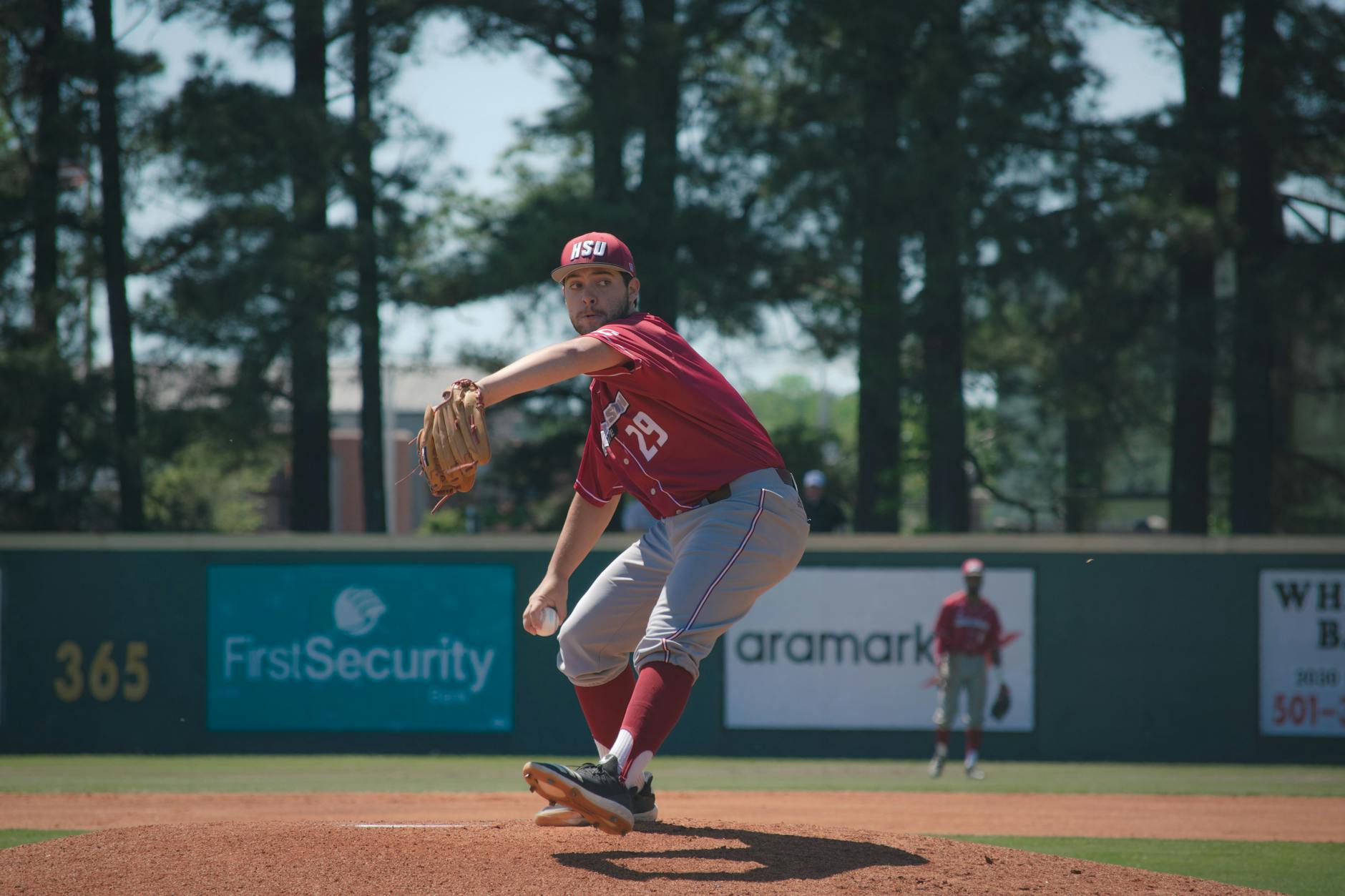
"Baseball is uniquely positioned to own summer holidays because it’s the only game in town," observed Adam Schwartz, Senior Vice President and Director of Sports Media for Horizon Media. This assertion frames the growing strategic imperative for Major League Baseball to leverage national holidays like Independence Day and Labor Day, transforming them from mere scheduling footnotes into prime-time, revenue-generating spectacles. The sports landscape is in flux. As the NBA and NHL seasons conclude, MLB games will soon become the sole major professional sporting events gracing daily airwaves. This creates a vacuum, an opportunity that the league has begun to recognize and, according to industry insiders, is poised to exploit more aggressively. The NFL has already demonstrated the power of associating itself with major holidays, expanding its reach beyond Thanksgiving to Black Friday and Christmas, directly challenging the NBA's traditional dominance on those dates. Baseball, with its summer schedule, possesses a similar, though perhaps less realized, potential. Historically, MLB has made tentative forays into holiday association. The annual Little League Classic, held in late August since 2017, serves as a nod to youth baseball and is staged in Williamsport, Pennsylvania, coinciding with the Little League World Series. More recently, the league introduced the Rickwood Field game on June 20, 2024, a poignant tribute to the Negro Leagues. This event, featuring an 'East-West Classic' and a home run derby with retired major leaguers on June 19, 2024, is being cultivated as a potential new tradition, celebrating a vital part of baseball's heritage on Juneteenth. However, these initiatives, while meaningful, differ in scope and ambition from the kind of full-scale holiday saturation seen with other leagues. Schwartz points to July 4th and Labor Day as prime examples of underutilized dates. Unlike the NFL's aggressive holiday capture, baseball has yet to consistently brand these summer milestones as exclusively its own. The potential marketing and viewership gains from turning these days into immersive baseball experiences – featuring wall-to-wall programming, special broadcasts, and perhaps themed events – are substantial. The benefits for MLB are clear: increased advertising revenue, enhanced fan engagement, and a stronger overall brand identity. By owning these holidays, the league can attract eyeballs from casual viewers and dedicated fans alike, particularly during a period when other major sports are dormant. This strategy would not only boost immediate financial returns but also solidify baseball's cultural relevance throughout the year, moving beyond its traditional spring and fall peaks. Conversely, the potential downsides, though less pronounced, warrant consideration. A relentless pursuit of holiday dominance could alienate some segments of the fanbase, particularly those who prefer the holidays to remain free from overt commercialization or feel that certain traditions should not be exclusively claimed. Furthermore, the success of such a strategy hinges on consistent execution and compelling content; simply scheduling games on a holiday will not guarantee viewership if the product itself isn't engaging enough. Industry analysts suggest that the league's increasing focus on historical tributes and unique broadcast events signals a broader shift. The success of the Rickwood Field game, for instance, demonstrates an appetite for programming that goes beyond standard matchups. This suggests a strategic evolution, moving towards creating signature events that resonate with a diverse audience and tap into potent cultural narratives. The critical question moving forward is how aggressively MLB will pursue this vision. Will they commit the resources and creative energy to make Independence Day or Labor Day synonymous with baseball, as the NFL has done with Thanksgiving? The league's recent actions suggest a strong inclination. The coming years will reveal whether baseball can truly seize these summer holidays and cement its position as the undisputed king of the summer sports calendar, transforming festive occasions into baseball's ultimate showcase.
In Brief
Major League Baseball is strategically eyeing summer holidays like Independence Day and Labor Day for unprecedented broadcast dominance, aiming to capture viewership during a period of low competition.Advertisement


Comments
No comments yet. Be the first to comment!