

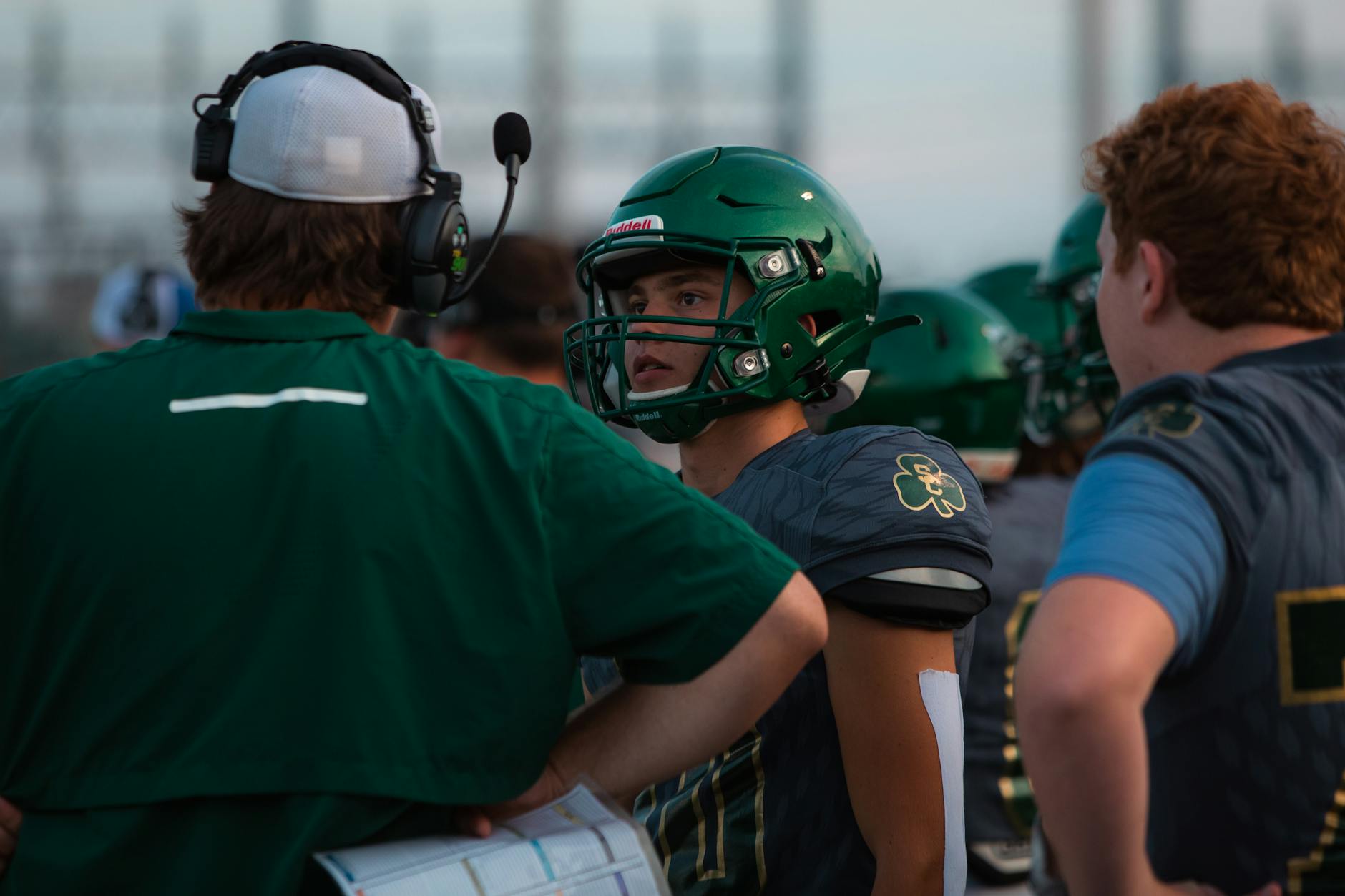
As the dust settles on a whirlwind of conference realignments and evolving player compensation models, a significant piece of proposed legislation is quietly making waves through the collegiate sports world. The Protect College Sports Act, recently introduced in the Senate, seeks to establish a federal framework for Name, Image, and Likeness (NIL) deals and player transfers, aiming to bring much-needed order to a sector often characterized by its rapid, and at times chaotic, evolution. But what does this mean for the athletes themselves, the institutions that train them, and the very fabric of college sports as we know it? The urgency behind such legislative action stems from the increasingly complex and often fragmented landscape of college athletics. Without a unified set of rules, universities, coaches, and athletes have navigated a patchwork of state laws and varying institutional policies regarding NIL compensation and transfer protocols. This inconsistency has led to significant competitive imbalances and concerns about the long-term sustainability of college sports as an amateur endeavor. The proposed act attempts to bridge these divides by offering a national standard, potentially alleviating some of the confusion and disparity that has plagued the system. Why does this matter now, more than ever? The confluence of NIL opportunities, the transfer portal, and the increasing commercialization of college sports has created a perfect storm. Athletes, now with the potential to earn significant income, face new considerations regarding their eligibility and marketability. Universities, in turn, are grappling with compliance, recruiting challenges, and the financial implications of these changes. The proposed legislation is an acknowledgment that the status quo is no longer tenable, and proactive federal intervention is being considered to prevent further erosion of the traditional college sports model. John Calipari, a prominent voice in college basketball and now the head coach at the University of Arkansas, has publicly expressed support for measures like the Protect College Sports Act. Speaking to reporters at the SEC Spring Meetings, Calipari acknowledged the need for clearer guidelines. "I think anything that brings some stability and clarity to this situation is good," he reportedly stated, reflecting a sentiment shared by many in coaching circles. This backing from influential figures suggests a desire within the sport's leadership for a more regulated and predictable environment, even if it means relinquishing some of the current autonomy. The ripple effects of this legislation, if passed, will be felt most acutely by the student-athletes themselves. While NIL deals offer unprecedented earning potential, they also come with complexities related to taxes, agent representation, and potential exploitation. The transfer portal, while providing avenues for athletes seeking new opportunities, has also been criticized for fostering a sense of impermanence and potentially disrupting team cohesion. A federal framework could offer greater protections and a more consistent experience for these young individuals navigating a professionalizing domain. For universities and athletic departments, the act could provide a much-needed regulatory ceiling, standardizing how NIL collectives operate and how transfer waivers are handled. This could level the playing field, reducing the perceived advantage held by well-funded programs or those in states with more permissive NIL laws. However, it also raises questions about the extent of federal government involvement in what has traditionally been an institutionally managed sphere, and whether such regulation could stifle innovation or inadvertently create new loopholes. The broader implications extend to the very identity of college sports. For decades, the allure has been the blend of high-level athletic competition and academic pursuit, framed within an amateur context. The current environment, however, is increasingly blurring these lines, leading to debates about fair compensation, athlete welfare, and the future of amateurism. The Protect College Sports Act represents an attempt to reconcile these competing interests and redefine what college sports can and should be in the 21st century. This story is resonating now because the changes impacting college athletics are no longer abstract possibilities but present realities for thousands of student-athletes, coaches, and fans. The constant news cycle around transfers, NIL valuations, and conference shifts has made the need for clarity and stability a pressing concern. People are invested in the integrity and fairness of the games they watch and the opportunities afforded to the athletes they cheer for, making legislative solutions a topic of widespread interest. As this legislation moves through the Senate, several key developments will be crucial to monitor. The specific provisions of the bill, particularly concerning the balance of power between athletes, universities, and governing bodies, will be paramount. Public and stakeholder feedback will shape its trajectory, and the potential for amendments or alternative proposals from the House of Representatives remains a significant factor. The long-term impact on the amateur ethos of college sports, and whether it can truly achieve its stated goal of stability, will be the ultimate test.
In Brief
A new federal bill, the Protect College Sports Act, aims to bring order to the chaotic world of NIL and player transfers in college athletics. Discover how this legislation could reshape the future for athletes and universities alike.Advertisement



Comments
No comments yet. Be the first to comment!