
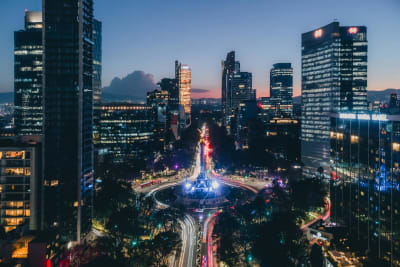
What many observers anticipated was a clear ideological battleground in Los Angeles politics, pitting grassroots movements against established power structures. Instead, a complex and often contradictory financial reality has emerged, where candidates advocating for socialist principles and radical critiques of capitalism are receiving substantial backing from some of the nation's wealthiest individuals and their families. This dynamic has sent ripples through the progressive movement, forcing a reckoning with the source of their funding and the perception of their authenticity. The current situation is particularly stark in this year's local elections. Campaign finance disclosures reveal that a significant portion of the funding for independent expenditure campaigns supporting candidates aligned with the Democratic Socialists of America (DSA) and criminal justice reform initiatives originates from a small, yet influential, network of ultra-wealthy donors. These are individuals whose fortunes are often tied to the very tech industries and financial markets that progressive activists frequently criticize for their role in wealth inequality and exploitation. Examining the financial flows, one finds organizations like the Smart Justice California Action Fund acting as a conduit for this capital. Records indicate substantial contributions, such as approximately $1.8 million from Patty Quillin, wife of Netflix co-founder Reed Hastings, and nearly $1 million from Elizabeth Simons, daughter of the late hedge fund titan Jim Simons. Kaitlyn Krieger also contributed over $134,000 to these efforts. This pattern of support is not entirely new; a similar network, including heiress Quinn Delaney, previously backed George Gascón's successful bid for District Attorney. This influx of capital is directly impacting key races across Los Angeles. The aforementioned Smart Justice California Action Fund, for example, has allocated $800,000 to bolster the campaign of Marissa Roy, the DSA-backed candidate for City Attorney. Further investments include $300,000 supporting Councilwoman Eunisses Hernandez and $200,000 for Westside candidate Faizah Malik, while simultaneously funding opposition to incumbent Councilwoman Traci Park. These are not minor contributions; they represent a concerted effort to shape the political landscape of the city. The contradiction inherent in this funding model raises significant questions about the practical application of socialist ideals in contemporary politics. If the concentration of wealth and the actions of billionaires are deemed detrimental to democratic processes and societal equity, then the reliance on their financial support by candidates championing these critiques appears, at face value, hypocritical. It challenges the very foundations of movements that aim to dismantle systems perceived as inherently unjust. This financial entanglement points to a deeper, systemic issue within progressive politics and advocacy. It highlights the difficulty of operating outside established financial networks, even for those seeking to radically alter them. The sheer cost of modern political campaigns, particularly those requiring extensive media buys and ground operations, necessitates vast sums of money. When grassroots movements lack sufficient internal or small-donor funding, they often become vulnerable to, or even dependent on, large checks from wealthy benefactors, regardless of their ideological alignment. Public reaction, particularly on social media platforms, has been swift and often polarized. While some defend the pragmatic approach, arguing that the source of funds is less important than the policies advanced, others express disillusionment. Hashtags debating 'socialist hypocrisy' and 'billionaire influence' have trended locally, amplifying public scrutiny. This online discourse, while sometimes lacking nuance, reflects a genuine concern among voters about the integrity and authenticity of political movements. Looking ahead, the implications for the future of progressive politics in Los Angeles and beyond are substantial. The sustained reliance on wealthy donors, even those with progressive leanings, could dilute the radical message of these movements and create an enduring perception of inauthenticity. It may also lead to internal divisions within the left, as activists grapple with how to achieve systemic change without compromising their core principles or alienating potential grassroots supporters who are wary of elite influence. The challenge will be to cultivate alternative funding models and build power bases that are genuinely independent of large-scale philanthropic or personal fortunes. What remains to be seen is whether these campaigns can effectively navigate this complex financial terrain without sacrificing their ideological commitments. Observers should monitor not only election outcomes but also the subsequent actions and policy decisions of elected officials who have benefited from such funding. The long-term impact on public trust and the sustainability of progressive movements will hinge on transparency and a continued, robust debate about the role of money in politics, regardless of its source.
In Brief
Wealthy tech heirs are bankrolling Los Angeles socialist candidates, creating a complex ideological paradox. This article investigates the financial flows, public reaction, and systemic issues at play.Advertisement


Comments
No comments yet. Be the first to comment!