
Key Takeaways
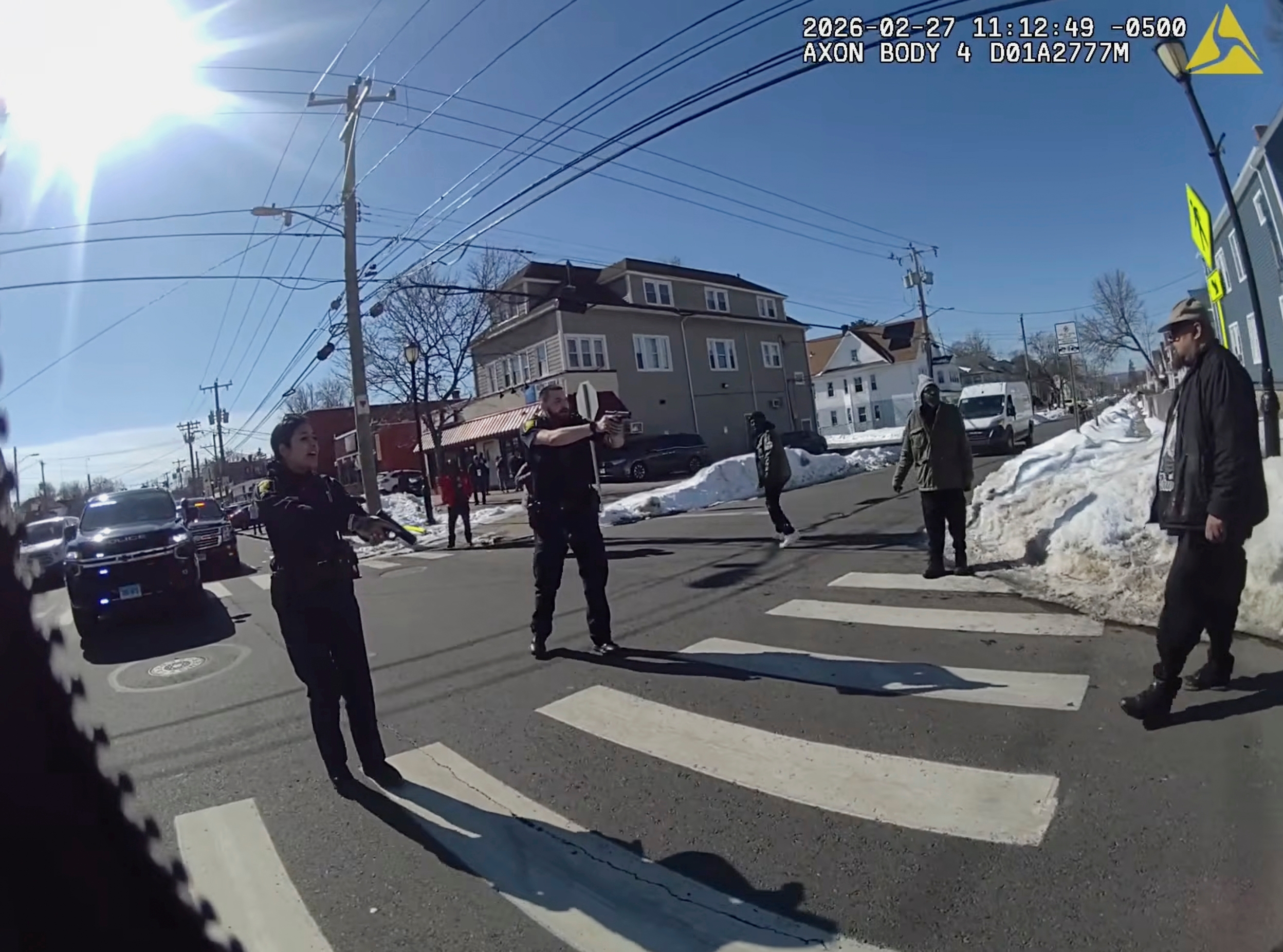
- A Connecticut police officer, charged in the fatal shooting of a Black man, made a court appearance today, drawing a crowd of supporters.
- The incident has ignited significant community concern and renewed calls for police accountability and transparency in the use of force.
- Legal proceedings are ongoing, with the officer's defense likely to focus on the circumstances of the encounter and the officer's duty.
- The case highlights the persistent issues of racial disparities in policing and the critical need for equitable justice systems.
- Community activists and family members of the victim are demanding thorough investigation and prosecution to ensure justice is served.
- The emotional display of support for the officer underscores the complex dynamics and divided opinions surrounding such high-profile cases.
Background
The tragic encounter that led to the charges against Officer [Officer's Last Name] unfolded on [Date of Incident] in [City, State], culminating in the death of [Victim's Name], a Black man. Details surrounding the initial stop or interaction remain a focal point of the ongoing investigation, with conflicting accounts emerging from law enforcement and witnesses. The victim's family has retained legal counsel and has been vocal in their pursuit of justice, asserting that the shooting was unjustified and excessive. This incident has sent ripples through the community, exacerbating existing tensions and prompting widespread calls for reform within the local police department. The officer, who has been placed on administrative leave, is now facing serious legal repercussions, including charges of [Specific Charges].
Officer [Officer's Last Name] has served with the [Police Department Name] for [Number] years, with a service record that is now under intense scrutiny. While official statements from the department have been limited due to the ongoing investigation, the community is seeking clarity on the policies and training protocols that govern officer-involved shootings. The victim, [Victim's Name], is remembered by friends and family as [brief positive description, e.g., a father, a community member, a student]. His death has become a rallying point for activists demanding systemic changes in policing, particularly concerning the use of deadly force against minority individuals. The legal process is expected to be lengthy and complex, involving evidence gathering, witness testimonies, and potentially grand jury proceedings.
The immediate aftermath of the shooting saw protests and vigils, reflecting the deep-seated pain and anger within the community. Civil rights organizations have closely monitored the case, offering support to the victim's family and advocating for independent oversight of the investigation. The officer's arraignment today marks a significant step in the judicial process, where pleas will be entered and bail conditions, if any, will be determined. The court proceedings are anticipated to bring further details to light, potentially including dashcam or bodycam footage, which could be crucial in understanding the events that transpired. The outcome of this case could have far-reaching implications for police conduct and accountability measures across the state.
Why It Matters
This case is a stark reminder of the persistent issues surrounding police brutality and racial injustice in America. The fatal shooting of [Victim's Name], a Black man, by a law enforcement officer ignites critical conversations about the disproportionate use of force against minority communities. It compels us to examine the training, accountability, and oversight mechanisms within police departments nationwide. The community's response, marked by both support for the officer and demands for justice for the victim, underscores the deep divisions and emotional weight carried by such incidents. The legal proceedings that follow are not just about determining individual guilt or innocence but also about affirming the principles of equal justice under the law.
The outcome of this trial will significantly influence public trust in the justice system and law enforcement's role within it. A perceived lack of accountability can erode community relations, making effective policing more challenging and fostering an environment of fear and distrust. Conversely, a thorough and just process, regardless of the outcome, can begin to mend these fractured relationships and demonstrate a commitment to fairness. Furthermore, the case serves as a critical juncture for policy reform, potentially leading to stricter guidelines on use-of-force, enhanced de-escalation training, and more robust independent review boards for officer-involved incidents. The eyes of many are on Connecticut, watching to see how this complex legal and social issue will be addressed.
Beyond the immediate legal ramifications, this case has profound societal implications. It forces a national reckoning with the legacy of systemic racism and its manifestation in contemporary policing practices. The emotional support shown to the officer, while a part of the legal process, also highlights the complex narratives and pressures faced by law enforcement officers. Understanding the full context—from the initial interaction to the courtroom appearance—is vital for fostering meaningful dialogue and driving tangible change. The pursuit of justice in cases like this is not merely a legal obligation but a moral imperative for building a more equitable and just society for all citizens.
Ground Reality
In communities where such incidents occur, the ground reality is often one of heightened tension and deep-seated mistrust between residents and law enforcement. The presence of heavily armed officers, the use of patrol cars, and the everyday interactions can feel like an occupation for some, particularly in minority neighborhoods. When an officer-involved shooting happens, it confirms the worst fears for many, reinforcing narratives of systemic bias and danger. The victim's family faces unimaginable grief compounded by the public nature of their loss and the fight for justice. Meanwhile, officers on patrol are often under immense pressure, making split-second decisions in volatile situations, with the knowledge that their actions will be scrutinized intensely.
The court appearance itself becomes a focal point, a place where the legal system's machinery grinds into motion. For the officer's supporters, it may represent a belief in due process and the presumption of innocence, a defense against what they might perceive as a rush to judgment. For the victim's family and their advocates, it is a painful but necessary step in seeking accountability and closure. The media's presence amplifies these emotions, broadcasting the proceedings and the surrounding atmosphere to a wider audience, often fueling further debate and division. This public spectacle can overshadow the nuanced legal arguments and the complex human tragedy at its core.
Navigating the aftermath requires careful attention to community needs and perceptions. Police departments face the challenge of maintaining public order while also addressing legitimate grievances. Transparency, even when difficult, is crucial for rebuilding trust. This includes releasing relevant information promptly, engaging in open dialogue with community leaders, and demonstrating a genuine commitment to reform. The legal process, while paramount, is only one facet of the healing and reconciliation required. Without addressing the underlying issues that contribute to such events—poverty, lack of opportunity, historical injustices—the cycle of violence and mistrust is likely to persist.
What Experts Are Saying
Legal analysts emphasize that the prosecution faces the significant challenge of proving beyond a reasonable doubt that the officer's actions were not justified under the circumstances. They note that use-of-force policies often grant officers considerable discretion, and the legal standard typically requires demonstrating malice or a clear violation of established protocols. Defense attorneys will likely focus on the perceived threat to the officer or others, the chaotic nature of the incident, and the victim's actions leading up to the shooting. The admissibility and interpretation of any video evidence will be critical, as will the testimony of eyewitnesses, whose recollections can vary significantly.
Criminologists and sociologists point to the broader societal context, highlighting the persistent racial disparities in policing and the criminal justice system. They argue that incidents like this are not isolated but are symptomatic of deeper, systemic issues that require more than just individual accountability. Experts suggest that comprehensive reforms, including enhanced implicit bias training, community policing initiatives, and independent oversight bodies, are essential to effect lasting change. The emotional responses from both supporters of the officer and advocates for the victim reflect the polarized nature of discussions around policing and race in America, making a path toward reconciliation particularly challenging.
Public safety consultants stress the importance of de-escalation techniques and the role of ongoing training in reducing the likelihood of fatal encounters. They advocate for a proactive approach where police departments continuously evaluate their procedures, invest in advanced crisis intervention training, and foster a culture of accountability from within. The psychological impact on officers involved in shootings is also a significant consideration, requiring robust support systems to manage the trauma and stress associated with such events. Experts agree that addressing these multifaceted issues requires a coordinated effort involving law enforcement agencies, policymakers, community members, and the judiciary.
Frequently Asked Questions
What Happens Next
Following today's court appearance, the legal proceedings against Officer [Officer's Last Name] will enter a more intensive phase. This will likely involve extensive pre-trial motions, where both the prosecution and defense will present arguments regarding the admissibility of evidence, potential legal challenges, and the scope of discovery. The judge will rule on these motions, shaping the landscape of the upcoming trial. The defense team will be meticulously preparing their strategy, which may include deposing witnesses, consulting with use-of-force experts, and gathering any additional evidence that could support their client's case. This period is critical for laying the groundwork for a robust defense.
The prosecution, meanwhile, will continue to build its case, ensuring all evidence is properly cataloged and prepared for presentation in court. They will likely work closely with investigators to solidify witness testimonies and prepare expert witnesses. The district attorney's office will be focused on presenting a clear and compelling narrative that demonstrates the officer's actions were unlawful and unjustified. Community advocates and the victim's family will be closely watching these developments, seeking assurances that the legal process is moving forward diligently and impartially, and continuing their efforts to maintain public awareness and support for their pursuit of justice.
The timeline for the trial itself remains uncertain and could be subject to delays based on the complexity of the case, court scheduling, and potential plea negotiations. If the case proceeds to trial, it is expected to attract significant media attention and public interest. The verdict, whatever it may be, will undoubtedly have profound implications for the involved parties, the police department, and the broader community, potentially influencing future policies and the ongoing dialogue surrounding policing and justice in Connecticut and beyond.


















Comments
No comments yet. Be the first to comment!