

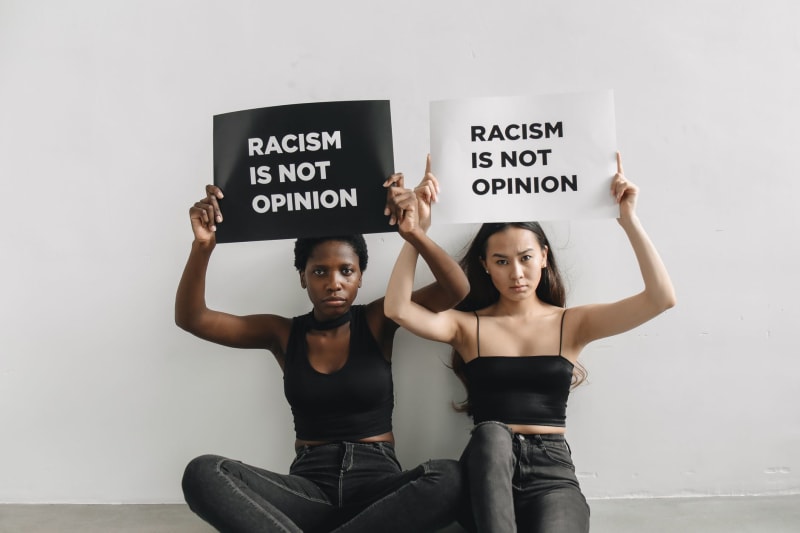
The Stark Realities in Numbers
- Disparities in income and wealth persist, with studies showing significant gaps in earnings and asset accumulation between racial groups, reflecting historical disadvantages and ongoing systemic inequities that limit economic mobility for marginalized communities.
- Educational attainment reveals troubling patterns, as access to quality schooling and graduation rates often correlate with race, indicating that racial bias in educational systems can hinder opportunities and perpetuate cycles of disadvantage for students of color.
- Healthcare outcomes demonstrate alarming differences, with higher rates of chronic diseases, lower life expectancies, and unequal access to medical care observed among certain racial demographics, underscoring the critical impact of systemic racism on public health.
- The criminal justice system disproportionately affects minority populations, evidenced by higher arrest, conviction, and incarceration rates for individuals of color compared to their white counterparts, raising serious concerns about fairness and equity within legal proceedings.
- Housing discrimination continues to be a significant barrier, with data indicating that racial minorities face greater challenges in securing housing, obtaining mortgages, and experiencing residential segregation, which limits access to resources and opportunities.
- Employment discrimination remains prevalent, as studies consistently show that job applicants from minority backgrounds are less likely to receive callbacks and job offers, even with identical qualifications, highlighting the insidious nature of implicit and explicit bias in the workplace.
Context Check: Understanding Systemic Racism
Systemic racism is not merely about individual prejudice; it refers to the ingrained biases within societal structures, institutions, and policies that perpetuate racial inequality. This can manifest in areas like housing, education, employment, and the justice system, creating disadvantages for racial minorities that are often invisible to those who do not experience them directly. Understanding this pervasive nature is crucial for recognizing how historical injustices continue to shape present-day realities and limit opportunities for marginalized groups, demanding a comprehensive approach to dismantle these deeply embedded inequities.
The historical roots of systemic racism are deep, stemming from centuries of discriminatory practices such as slavery, Jim Crow laws, and redlining. These policies and social norms created a foundation of racial hierarchy that has been difficult to dismantle, even after legal changes. The lingering effects are evident in wealth gaps, educational disparities, and unequal access to healthcare, demonstrating that the legacy of overt discrimination continues to influence contemporary social and economic outcomes, requiring sustained efforts to address its enduring impact.
Recognizing systemic racism involves looking beyond isolated incidents of bias to examine patterns of disadvantage across various societal domains. It requires acknowledging how seemingly race-neutral policies can have disproportionately negative impacts on racial minorities due to existing societal inequalities. This critical lens is essential for identifying the root causes of racial disparities and for developing effective strategies that promote genuine equity and justice, moving beyond superficial solutions to address fundamental structural issues.
Background: The Evolution of Racial Bias
The concept of race, as we understand it today, is largely a social construct that emerged to justify systems of power and oppression, particularly during the colonial era. Early scientific theories, now widely discredited, were used to categorize and rank human populations, establishing a hierarchy that placed Europeans at the apex. This pseudo-scientific justification provided a framework for colonization, slavery, and the subjugation of non-European peoples, embedding racial prejudice into the very fabric of Western societies and influencing global power dynamics for centuries.
Following the abolition of slavery, overt forms of racial discrimination were replaced by more insidious, yet equally damaging, practices. In the United States, Jim Crow laws enforced segregation and disenfranchisement, while in other parts of the world, colonial powers maintained strict social and economic stratification based on race. These policies ensured the continued dominance of the ruling racial group, limiting access to resources, education, and political power for marginalized communities and shaping the demographic and socioeconomic landscapes we see today.
The Civil Rights Movement marked a significant turning point, challenging legally sanctioned segregation and discrimination. While landmark legislation dismantled many overt discriminatory practices, the deep-seated effects of historical racism continue to manifest in subtle and systemic ways. Implicit biases, institutional inertia, and ongoing socioeconomic disparities demonstrate that the struggle for racial equality is far from over, requiring continuous vigilance and proactive efforts to address the residual impacts of centuries of racial injustice and to build truly equitable societies.
Winners and Losers in the Racial Landscape
Historically and presently, dominant racial groups have often been the primary beneficiaries of systems that perpetuate racial inequality. Their advantages are not necessarily earned but are often a result of inherited privilege and societal structures designed to favor them. This includes preferential access to education, employment, housing, and capital, which allows for the accumulation of wealth and power across generations, solidifying their position at the top of the socioeconomic hierarchy and often leaving them unaware of the systemic advantages they possess.
Racial minorities, conversely, are consistently disadvantaged by systemic racism. They face barriers to upward mobility, experience discrimination in various life domains, and often bear the brunt of societal problems exacerbated by racial inequity. This can lead to cycles of poverty, poorer health outcomes, and limited opportunities, creating a profound disadvantage that is difficult to overcome without significant systemic change. The cumulative effect of these disadvantages can be devastating for individuals and entire communities, perpetuating intergenerational hardship.
The concept of 'winners' and 'losers' in this context is not about individual merit but about the unequal distribution of opportunities and resources dictated by racial hierarchies. While some individuals from marginalized groups may achieve success, their journeys are often fraught with greater obstacles. Conversely, members of dominant groups may not actively perpetuate racism but benefit from the system nonetheless. Recognizing this dynamic is essential for understanding the pervasive nature of racial injustice and for advocating for policies that promote a more equitable playing field for everyone.
Analyst Perspectives on Racial Dynamics
Sociologists emphasize that racial disparities are not random but are deeply embedded in the social, economic, and political structures of society. They argue that policies, both past and present, have systematically advantaged certain racial groups while disadvantaging others. This perspective highlights the need to move beyond individual acts of prejudice and focus on institutional reforms that address the root causes of inequality, such as discriminatory lending practices, biased hiring algorithms, and unequal school funding, to achieve meaningful change.
Economists often point to the persistent wealth gap between racial groups as a critical indicator of systemic racism. They analyze how historical disenfranchisement, discriminatory housing policies like redlining, and unequal access to financial resources have created vast differences in intergenerational wealth accumulation. This economic lens underscores the long-term consequences of racial bias and the difficulty of achieving true equality without addressing these fundamental economic disparities and creating pathways for wealth building in marginalized communities.
Political scientists examine how power dynamics and representation influence racial equity. They observe how the underrepresentation of minority groups in positions of power can lead to policies that do not adequately address their needs or concerns. This perspective stresses the importance of political engagement, voting rights, and diverse leadership in creating a more just society where all voices are heard and considered in the policy-making process, ensuring that governance serves the interests of all citizens.
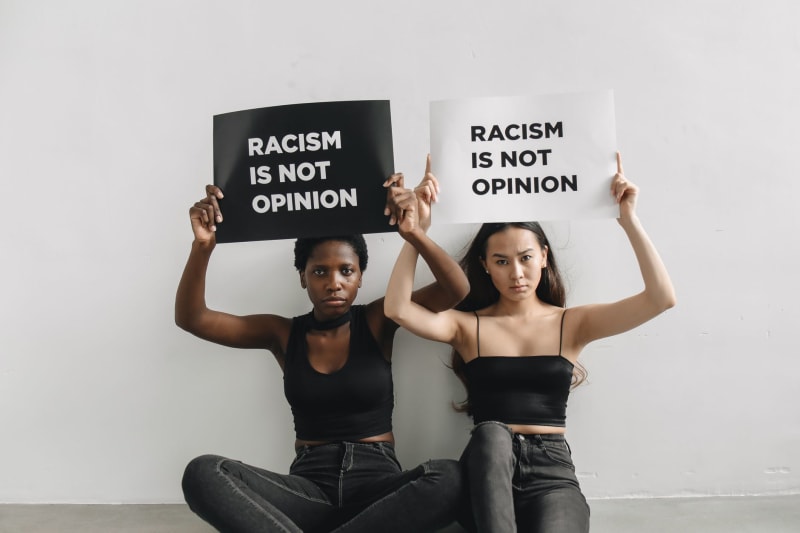
Key Questions Explained
The Outlook for Racial Equity
The path toward racial equity is complex and requires sustained, multifaceted efforts. While progress has been made in challenging overt discrimination, systemic barriers continue to impede full equality. The future outlook depends heavily on the collective will to confront deeply ingrained biases in institutions and policies, invest in communities that have historically been marginalized, and foster a societal commitment to justice and inclusion. Without deliberate action, existing disparities are likely to persist, hindering the potential of individuals and society as a whole.
However, there are reasons for cautious optimism. Growing awareness of racial injustice, coupled with increased activism and demands for accountability, signals a potential for significant change. Innovations in policy, education, and community-led initiatives are emerging, offering new strategies to dismantle discriminatory structures. The increasing diversity of populations and the interconnectedness of global communities also create opportunities for greater understanding and collaboration in the pursuit of a more equitable world.
Ultimately, achieving true racial equity is not a passive process but an active, ongoing endeavor. It necessitates a willingness to engage in difficult conversations, to challenge the status quo, and to implement transformative changes across all sectors of society. The outlook is not predetermined; it will be shaped by the choices made today and the commitment to building a future where race is no longer a predictor of opportunity or outcome, ensuring that every individual has the chance to thrive.


















Comments
No comments yet. Be the first to comment!