

Key Figures
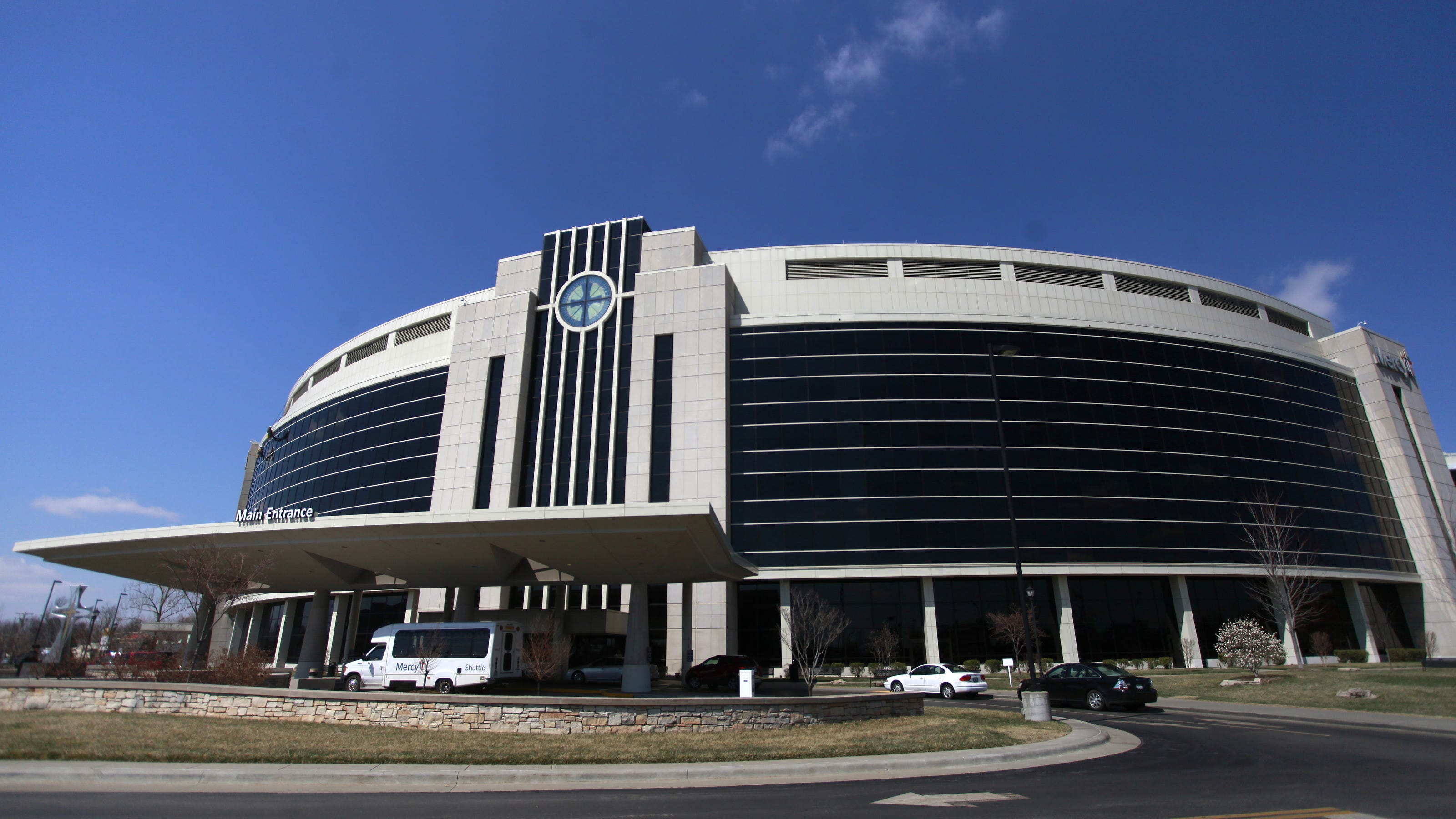
- Over 100 healthcare workers at Mercy Springfield are reportedly involved in the lawsuit challenging the hospital's COVID-19 vaccine mandate, raising significant concerns about workplace rights and medical freedom.
- The lawsuit cites potential religious and medical exemptions that plaintiffs claim were unfairly denied or inadequately reviewed by hospital administration, leading to termination or forced resignation for some employees.
- Mercy Springfield, a prominent healthcare provider in the region, implemented its vaccine policy in response to federal and state health guidelines aimed at curbing the spread of COVID-19 within healthcare facilities.
- The legal action seeks to overturn the mandate and potentially secure damages for affected employees, arguing the policy violates their fundamental rights and constitutes a breach of employment agreements.
- This litigation comes amidst a broader national debate on vaccine mandates in critical sectors, with legal challenges emerging across various industries and impacting thousands of workers seeking to maintain employment.
- The outcome of this specific case could influence how other healthcare institutions across the country approach similar vaccine policies and the legal recourse available to employees who object to them.
Context Check
The lawsuit filed against Mercy Springfield centers on the hospital's mandatory COVID-19 vaccination policy for its employees. This policy, implemented to align with broader public health strategies and protect vulnerable patient populations, has ignited a significant legal challenge from a group of its own healthcare workers. The plaintiffs argue that the mandate infringes upon their personal autonomy and that the exemption process, particularly for religious and medical reasons, was handled improperly. This legal action is not occurring in a vacuum; it reflects a nationwide tension between employer-mandated health policies and individual employee rights, amplified by the ongoing pandemic and evolving scientific understanding of viral transmission and vaccine efficacy. The specific claims within the lawsuit will scrutinize how Mercy Springfield balanced its operational needs and public health obligations against the rights and beliefs of its workforce.
Healthcare settings have been at the forefront of the COVID-19 pandemic, facing immense pressure to protect both patients and staff from the highly contagious virus. Vaccine mandates for healthcare workers emerged as a key strategy to mitigate transmission risks within hospitals and clinics, where exposure is inherently high. However, these mandates have also sparked considerable debate, touching upon ethical considerations, religious freedom, medical privacy, and the fundamental right to bodily autonomy. The legal challenges often hinge on the interpretation of federal and state laws, such as Title VII of the Civil Rights Act concerning religious accommodations and the Americans with Disabilities Act for medical exemptions. Understanding the legal framework and the specific circumstances at Mercy Springfield is crucial to grasping the complexities of this particular case and its potential broader implications.
Mercy Springfield's decision to mandate COVID-19 vaccines for its employees was likely influenced by a confluence of factors, including guidance from health authorities like the Centers for Disease Control and Prevention (CDC) and the Occupational Safety and Health Administration (OSHA), as well as state-specific regulations. Hospitals, as essential service providers, bear a heightened responsibility to maintain a safe environment. The pandemic's severity, characterized by waves of infections and the emergence of new variants, necessitated stringent measures. While the intention behind the mandate was to enhance patient safety and ensure operational continuity by minimizing workforce disruption due to illness, the execution and the handling of employee objections have become the focal point of the current legal dispute, raising questions about due process and fairness in policy enforcement.
Background
The COVID-19 pandemic presented unprecedented challenges to healthcare systems globally, forcing institutions to rapidly adapt their operational protocols to safeguard public health. In this context, vaccine mandates for healthcare workers gained traction as a critical tool to combat the spread of the virus within facilities treating the most vulnerable populations. Mercy Springfield, like many other healthcare organizations, implemented such a policy, aiming to ensure a high level of protection for its patients and staff. This decision was underpinned by the understanding that unvaccinated individuals pose a greater risk of contracting and transmitting the virus, potentially leading to outbreaks within the hospital setting, which could overwhelm resources and compromise patient care. The mandate was thus framed as a necessary measure to uphold the hospital's core mission of providing safe and effective healthcare services.
The implementation of vaccine mandates was met with varying reactions from healthcare professionals. While many embraced the policy as a vital step towards collective safety and a return to normalcy, a segment of the workforce raised concerns regarding personal liberty, religious objections, and potential adverse health effects. These concerns often led to requests for exemptions, which healthcare institutions were legally obligated to consider under federal anti-discrimination laws. The process of evaluating these exemption requests became a critical and often contentious aspect of mandate enforcement. Disagreements over the validity of these exemptions, the adequacy of the review process, and the perceived fairness of the outcomes form the crux of the legal challenge now facing Mercy Springfield, highlighting the intricate balance between public health imperatives and individual rights.
The legal landscape surrounding vaccine mandates has been complex and evolving, with numerous court cases and regulatory changes shaping the requirements and protections for both employers and employees. Federal agencies, such as the Equal Employment Opportunity Commission (EEOC), have provided guidance on how employers should handle accommodation requests for religious and medical reasons. However, the interpretation and application of these guidelines can vary, leading to disputes. The lawsuit against Mercy Springfield is expected to delve into the specifics of how the hospital adhered to these federal guidelines, whether its exemption process was robust and fair, and if it provided reasonable accommodations where required. The plaintiffs' legal team will likely argue that the hospital failed in its legal duties, while Mercy Springfield will aim to demonstrate that its policy was lawful and necessary for operational safety.
Winners and Losers
In the context of the lawsuit against Mercy Springfield's vaccine mandate, the potential 'winners' and 'losers' are multifaceted and depend heavily on the legal outcome and its broader implications. If the plaintiffs succeed, they could achieve vindication, potentially securing their employment or compensation for perceived wrongs, and establishing a precedent that strengthens employee rights against employer mandates. This could embolden other workers facing similar policies. Conversely, if Mercy Springfield prevails, it reinforces the hospital's authority to implement policies deemed necessary for patient safety and operational integrity, potentially encouraging other healthcare institutions to adopt or maintain stringent vaccine requirements. The hospital system itself could be seen as a 'winner' by upholding its chosen safety protocols.
However, the designation of winners and losers extends beyond the immediate parties involved. Patients could be considered indirect beneficiaries if the mandate is upheld, as it contributes to a safer care environment by reducing the risk of healthcare-associated infections. Public health advocates might also view a successful mandate defense as a win for pandemic preparedness. On the other hand, employees who feel their rights have been violated, regardless of the lawsuit's outcome, may feel disenfranchised or coerced, representing a potential 'loss' in terms of morale and trust within the workplace. The broader community also has a stake, as the case could influence public discourse and policy decisions regarding mandatory vaccinations in critical sectors.
The long-term consequences could also shape the 'winners' and 'losers' in the healthcare labor market. If mandates are consistently upheld and enforced, it might lead to a more stable, vaccinated workforce, potentially reducing disruptions from illness. This could be seen as a win for healthcare system stability. However, if legal challenges lead to significant exemptions or policy reversals, it might create a less predictable environment and could be perceived as a loss for public health efforts. The employees who leave or are terminated due to the mandate, irrespective of the lawsuit's success, represent a clear loss of experienced personnel for the healthcare system, impacting patient care and operational capacity.
Analyst Perspectives
Legal analysts are closely watching the Mercy Springfield case, viewing it as a critical test of how courts will balance employer responsibilities for workplace safety against employees' rights to bodily autonomy and religious freedom. Experts note that the success of the plaintiffs will likely hinge on demonstrating that Mercy Springfield's exemption process was procedurally flawed or substantively unfair, rather than challenging the legality of vaccine mandates outright. The specific language used in the lawsuit, the evidence presented regarding the handling of accommodation requests, and the applicable state and federal laws will be paramount. Many anticipate that the case could lead to further clarification of employer obligations under Title VII and the ADA in the context of public health emergencies.
Public health experts emphasize that while individual rights are important, the unique environment of healthcare facilities necessitates stringent measures to protect vulnerable patients. They argue that vaccine mandates for healthcare workers are a proven strategy to reduce transmission and maintain a functional healthcare system, especially during surges of infectious diseases. From this perspective, a ruling that upholds the mandate, even if contested, would be seen as a positive step for public health infrastructure. However, these experts also acknowledge the importance of robust and fair exemption processes to maintain trust and ensure that legitimate needs for accommodation are met without compromising safety.
Labor law specialists suggest that the outcome could have ripple effects across various industries, not just healthcare. If the court finds in favor of the employees, it might empower workers in other sectors to challenge employer-imposed health policies. Conversely, a ruling supporting the employer could solidify the precedent that employers have broad latitude to mandate health measures deemed necessary for business operations and safety. The financial implications are also significant, with potential liability for damages if the hospital is found to have acted unlawfully. This case underscores the ongoing legal and societal debate about the extent of employer control over employee health decisions.

Key Questions Explained
The Outlook
The lawsuit against Mercy Springfield represents a critical juncture in the ongoing debate surrounding vaccine mandates within the healthcare sector. The legal proceedings are likely to be lengthy and complex, involving detailed examination of hospital policies, exemption processes, and relevant employment laws. Both sides will present extensive evidence and legal arguments, aiming to sway the court's decision. The outcome will not only determine the fate of the employees involved but could also establish important legal precedents that influence how vaccine mandates are implemented and challenged across the nation's healthcare systems, impacting countless workers and the broader landscape of public health policy.
Looking ahead, the case could serve as a bellwether for future legal battles concerning employer-mandated health measures. Depending on the court's ruling, healthcare institutions may need to refine their policies to ensure greater clarity, fairness, and compliance with evolving legal interpretations. This could involve strengthening exemption review processes, enhancing communication with staff about policy rationale and requirements, or exploring alternative safety protocols. The resolution of this lawsuit will undoubtedly shape the strategies employed by both employers seeking to maintain safe workplaces and employees asserting their rights in the face of mandatory health policies.
Ultimately, the long-term impact hinges on how effectively the legal system can balance the urgent need for public health protection in critical environments like hospitals with the fundamental rights and concerns of individual employees. The Mercy Springfield case is more than just a dispute over a vaccine policy; it is a reflection of broader societal tensions and the complex challenges of navigating health crises in a democratic society. Its resolution will offer valuable insights into the legal boundaries of employer authority and the future of workplace health mandates.


















Comments
No comments yet. Be the first to comment!