
What We Know
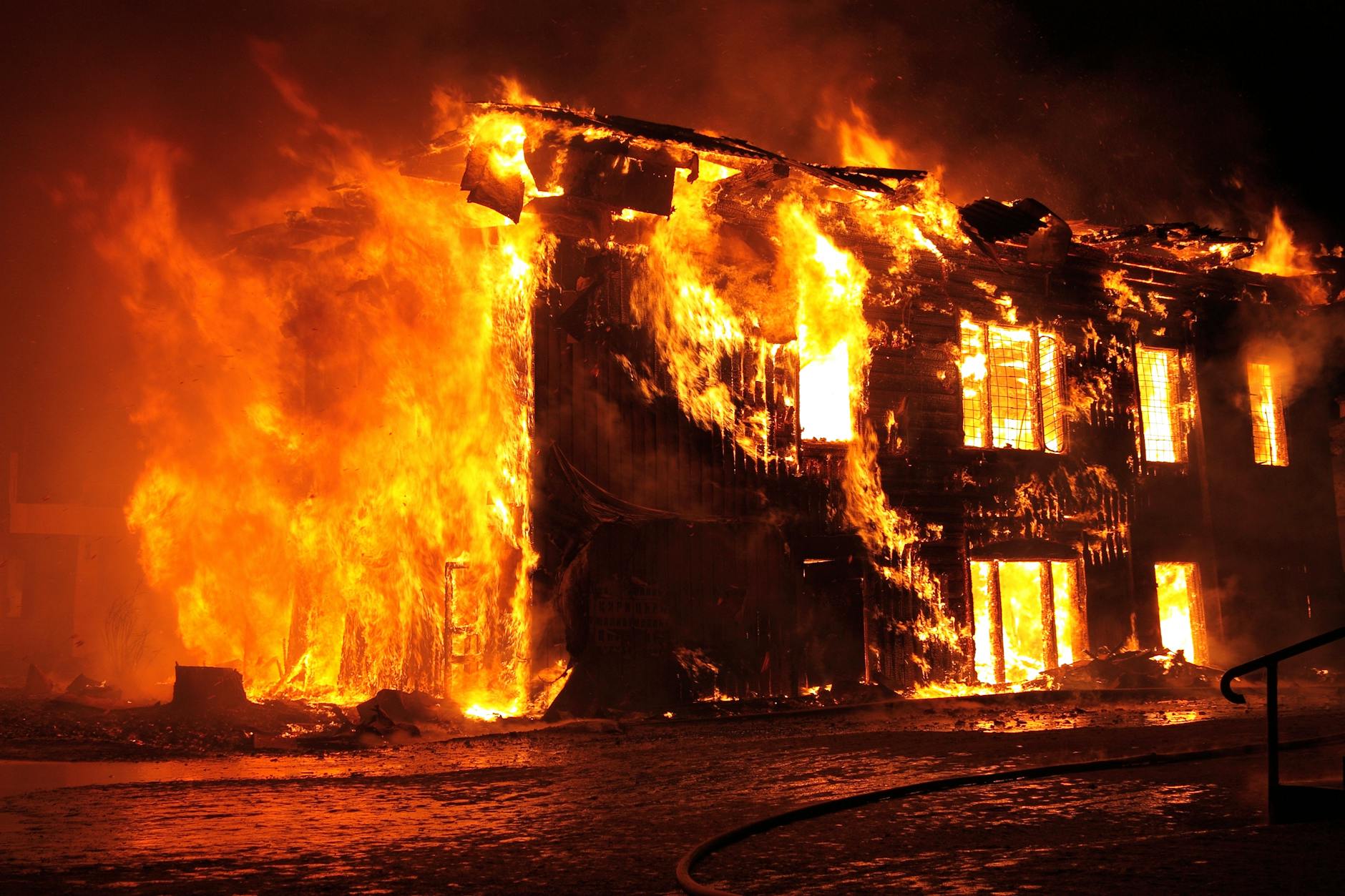
- A significant fire erupted at a prominent business in Michigan, characterized by intense, towering flames reaching approximately 60 feet in height, creating a dramatic and alarming scene.
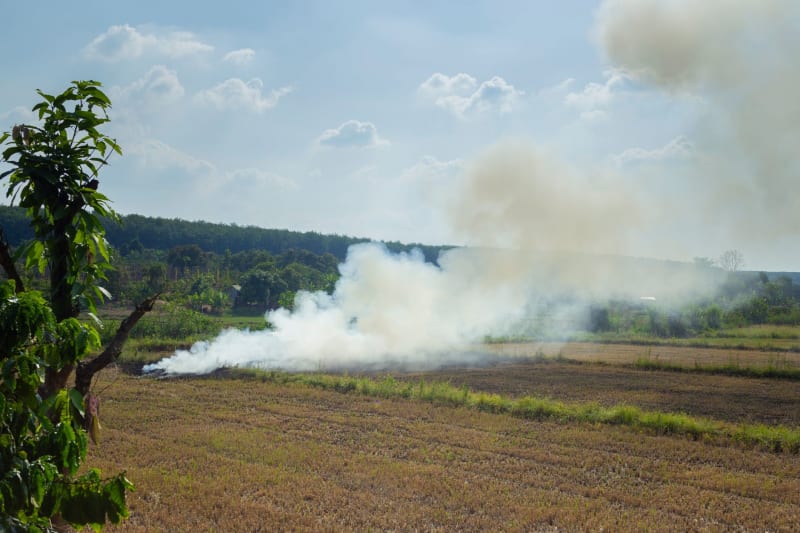
- The blaze generated substantial amounts of thick, black smoke that became visible for miles around the incident, posing potential respiratory hazards and impacting air quality significantly.
- Emergency services, including multiple fire departments, were rapidly deployed to the scene to combat the raging fire and prevent its further spread to adjacent properties.
- The structure of the business has been severely compromised and is believed to be a total loss, with extensive damage evident from the aerial and ground perspectives.
- Initial reports indicate that the fire may have started in a specific area of the business, but the exact origin and cause are still under thorough investigation by authorities.
- Fortunately, preliminary information suggests that all employees and any immediate bystanders were safely evacuated from the premises without serious injury, averting a greater tragedy.
What We Do Not Know Yet
- The definitive cause of the massive fire remains undetermined, with investigators meticulously examining all potential ignition sources and contributing factors to understand how it began.
- The full extent of the environmental impact, including potential soil and water contamination from the fire's byproducts and firefighting efforts, is yet to be fully assessed.
- Economic repercussions for the business owners, employees, and the local community are still unfolding, with no clear timeline for recovery or potential relocation efforts.
- The precise materials or chemicals stored within the business that may have fueled the intense flames and contributed to the thick smoke are not yet publicly disclosed.
- The long-term structural integrity of the surrounding buildings and infrastructure, even those not directly engulfed, needs to be evaluated to ensure public safety.
- The specific response protocols and challenges faced by the first responders during the height of the blaze, particularly concerning the scale and intensity of the fire, are still being reviewed.
Background
The business, a long-standing fixture in the Michigan community, operated within a sector known for its specific operational demands and potential fire risks. While details about its exact operations are still emerging, such establishments often involve materials and processes that, under certain conditions, can contribute to rapid fire development. The company's history within the region, its employment numbers, and its role in the local economy are all critical factors in understanding the broader implications of this devastating event. Its presence likely contributed significantly to the local economic landscape, providing jobs and supporting other businesses through its supply chain and customer interactions. The community's reliance on this business, whether for employment or services, now faces an uncertain future as the full impact of the destruction is realized.
Fires of this magnitude are rarely spontaneous events and often stem from a confluence of factors, including potential equipment malfunctions, human error, or even deliberate acts, though no such indications have been made public at this stage. Understanding the building's construction, its fire suppression systems, and its compliance with safety regulations prior to the incident is crucial for a comprehensive investigation. Older structures, in particular, may present unique challenges in containing large fires due to outdated materials or architectural designs that can facilitate rapid fire spread. The proximity of the business to residential areas or other critical infrastructure also plays a significant role in assessing the overall risk and the complexity of emergency response operations. The history of safety inspections and any previous incidents at the site could provide valuable context for investigators.
The local emergency response infrastructure's capacity to handle such a large-scale incident is a key consideration. The deployment of multiple fire departments suggests that the initial response teams were quickly overwhelmed by the fire's intensity and rapid progression. Mutual aid agreements between neighboring jurisdictions are common and essential for managing major emergencies, highlighting the interconnectedness of public safety services. The availability of specialized equipment, such as aerial ladder trucks and high-volume water pumps, would have been critical in attempting to control the blaze. Furthermore, the logistical challenges of coordinating numerous personnel and resources from different agencies under high-stress conditions cannot be understated, impacting the overall effectiveness and duration of the firefighting efforts.
Why It Matters
The destruction of a significant business entity has immediate and far-reaching economic consequences for the local community. Beyond the direct loss of jobs for employees, there are ripple effects impacting suppliers, service providers, and the overall tax base. Small businesses often form the backbone of local economies, and their sudden closure can lead to a period of significant economic hardship and uncertainty. Rebuilding efforts, if feasible, will require substantial investment and time, potentially leaving a void in the community for an extended duration. The loss of services or products previously provided by the business may also necessitate shifts in consumer behavior and local commerce, requiring adaptation from residents and other businesses alike.
The environmental fallout from such a large fire cannot be overstated, posing risks to air, water, and soil quality. The thick black smoke contains a complex mixture of particulate matter and potentially toxic gases, which can have immediate health impacts on nearby populations, exacerbating respiratory conditions and posing long-term health concerns. Runoff from firefighting efforts, laden with chemical residues and debris, can contaminate local waterways, harming aquatic ecosystems and potentially affecting drinking water sources. A thorough environmental assessment is imperative to understand the full scope of contamination and to implement necessary remediation strategies to mitigate lasting damage to the natural surroundings.
This incident serves as a stark reminder of the critical importance of robust fire safety protocols and emergency preparedness within industrial and commercial settings. It underscores the need for regular inspections, adherence to safety regulations, and the implementation of effective fire prevention and suppression systems. The response of emergency services also highlights the vital role they play and the resources required to manage large-scale disasters. Communities and businesses must continually invest in and review their safety measures to minimize the risk of such catastrophic events and to ensure a swift and effective response when they do occur, protecting lives, property, and the environment.
Timeline of Events
- Early morning hours: Reports of a fire at the business location begin to surface, with initial sightings of smoke and flames.
- Minutes after initial reports: First responders, including local fire departments, are dispatched to the scene to assess and combat the escalating blaze.
- Within the first hour: The fire intensifies dramatically, with flames reportedly reaching heights of approximately 60 feet, prompting calls for mutual aid from neighboring jurisdictions.
- Several hours into the incident: Firefighting efforts continue with significant resources deployed, focusing on containment and preventing spread to surrounding areas.
- Throughout the day: The fire is gradually brought under control, though significant smoldering and hot spots may persist, requiring ongoing monitoring by fire crews.
- Post-incident assessment: Investigators begin their work to determine the cause and origin of the fire, while environmental and structural assessments commence.
Rapid-Fire Q&A
What Is Coming
- The full investigation into the fire's cause will continue, potentially involving specialized forensic teams to pinpoint the origin and contributing factors.
- Detailed environmental impact assessments will be conducted to measure air quality degradation and potential soil and water contamination from the blaze and firefighting chemicals.
- Economic recovery plans will need to be developed, addressing the needs of displaced employees and exploring options for the business's future, whether through rebuilding or relocation.
- Structural engineers will likely assess the safety of the surrounding area and the remains of the destroyed building to determine the best course of action for site clearance.
- Community leaders and emergency services will review the response to this incident to identify any areas for improvement in future large-scale emergency management protocols.
- Insurance claims and legal proceedings related to the fire's damage and potential liabilities will commence as the investigation progresses and the extent of the loss is quantified.


















Comments
No comments yet. Be the first to comment!